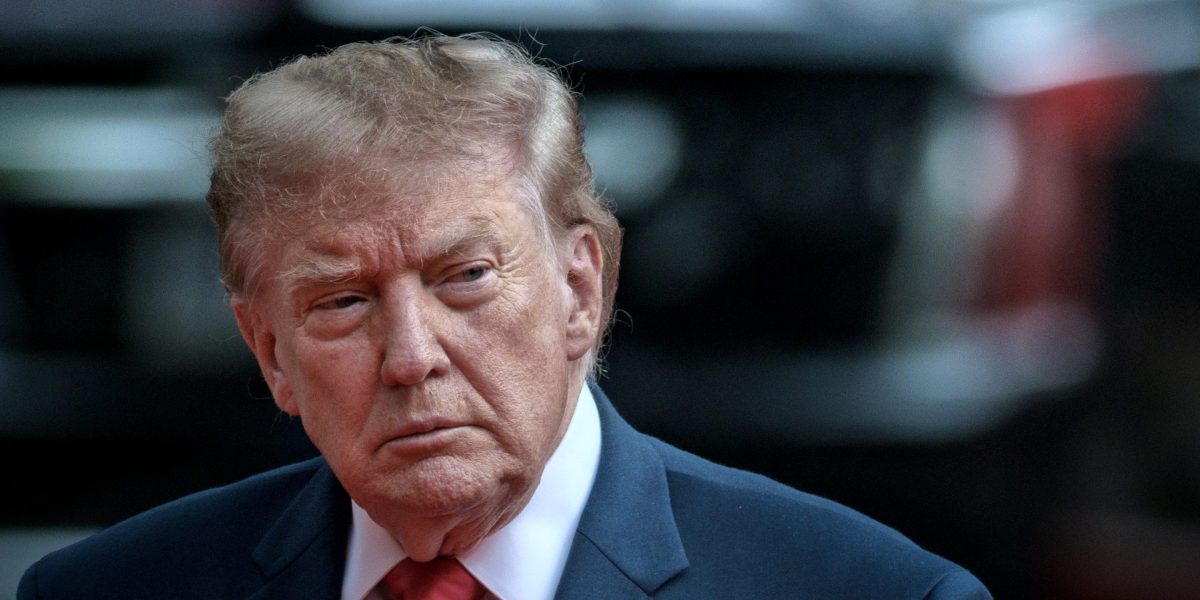
After a blue wave in the November midterms, President Donald Trump told CBS News’ 60 Minutes on Nov. 8 that his immigration crackdown “might be too tough.”
His administration just doubled down anyway. On Nov. 17, the Labor Department proposed an overhaul of the Permanent Labor Certification Program, or PERM, the step most employers have to clear before sponsoring a foreign worker for a green card. Companies would face longer recruitment campaigns and a two-year bar on filing after laying off U.S. workers in similar jobs, and occupations in short supply, including nurses, would lose their exemption from the standard labor market test. For companies that sponsor foreign hires, that means more time, more paperwork and more ways to get turned down. The Labor Department received 117,849 PERM applications in fiscal 2025, down 22.4% from the year before.
“I think I got an A plus for closing up the border. I got very high marks for getting the bad ones out,” Trump said. “But I get hurt because we also took people that had good jobs that created one violation of breaking the law—and that was that they came into the country illegally.”
“I think it might be too tough, yeah,” Trump continued, regarding his immigration policy. “And a lotta people would say that it’s great. But a lotta people think it’s too tough.”
And Trump has made the case for foreign workers before. In an interview with Fox News in November 2025, Trump conceded that the U.S. needs foreign labor due to domestic workers lacking “certain talents.”
“You also do have to bring in talent,” Trump said. “We don’t have talented people here. You don’t have certain talents, and you have to. People have to learn.”
The White House and Donald Trump did not immediately respond to a request for comment from Fortune.
A longer and harder process
Under the existing system, employers generally have to obtain Labor Department certification demonstrating that there are not enough qualified and available U.S. workers for a particular position—meaning hiring a foreign worker won’t negatively affect wages and working conditions for domestic workers. The employers typically use the process to sponsor foreign laborers for employment-based green cards.
But the proposed changes would require employers to conduct more extensive recruitment campaigns, eliminate administrative exemptions and prohibit employers from filing PERM applications for positions in the same or similar occupations for two years after laying off domestic workers in those same roles. The department is also proposing to extend recruitment advertising periods to at least 90 days and impose additional documentation and reporting requirements on employers.
The consequential part of the proposal lands on the bypass standards—which have allowed certain occupations to be exempt from the standard labor market test if the roles were in need of workers. The standard requirement would be extended to occupations that are in short supply—including professional nurses and scientists of “exceptional ability.”
But Labor Secretary Keith Sonderling said these changes would ensure American workers will receive priority for high-skilled, high-paying positions.
“American Workers are the best in the world, and they deserve the first and best job opportunities. Existing regulations have instead allowed companies to sponsor foreign workers without fully considering American workers first,” Secretary of Labor Keith Sonderling said in a press release. “This proposed rule change will ensure American workers are first in line for high-skilled, high-paying job opportunities over foreign labor.”
A continuation of immigration policy
And in May, USCIS issued a policy memorandum introducing guidance that would also make it harder for foreign workers already living in the U.S. to obtain green cards without leaving the country. The memorandum emphasizes that adjustment of status is a “discretionary decision” over an automatic entitlement. Essentially, eligible immigrants already in the U.S. that can apply for lawful permanent residency through USCIS are not guaranteed.
“Given the significant privileges granted to lawful permanent residents, USCIS reminds its officers that they must consider and weigh all the relevant evidence in the record,” the memo read, “taking into account the totality of the circumstances to determine whether the alien is suitable for permanent residence and if approval of the alien’s adjustment of status application is in the best interest of the United States.”
The Trump administration also tightened employment-based green card sponsorship in September 2025, with an imposed $100,000 fee on certain new H-1B visa applications.
“The proposed H‑1B fee is intended to recover the costs incurred across the federal government to adjudicate, vet, and support lawful immigration programs that otherwise must be funded by taxpayers,” U.S. Citizenship and Immigration Services spokesperson Zach Kahler said in a press release.
Comments on the proposal are due Jan. 19, 2027.
Disclaimer : This story is auto aggregated by a computer programme and has not been created or edited by DOWNTHENEWS. Publisher: fortune.com