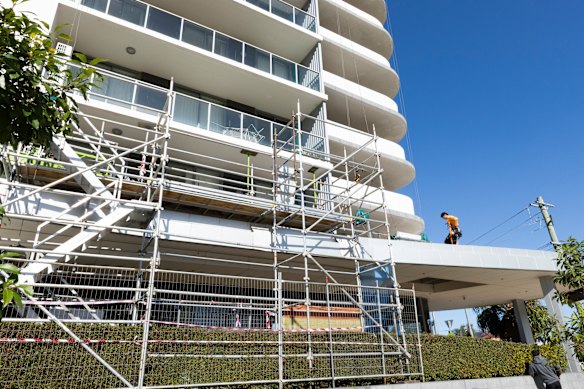
The balconies have cracks visible from the street. The tank meant to supply the extensive fire sprinkler system cannot hold water without leaking. And the lifts, along with the glass front doors, have a habit of getting stuck.
But at Riviera, a six-building apartment complex on the edge of the Parramatta River, what is most burnt into the minds of some current and former residents are the German cockroaches: the ones that live exclusively indoors, are a fraction of the size of regular species and breed at extraordinary rates. They made themselves so at home they destroyed the electronics of dishwashers and air-conditioning units.
Welcome to Jean Nassif’s Parramatta apartment block.
During his blustery, foul-mouthed appearance at the NSW Independent Commission Against Corruption last week, the disgraced fugitive developer made reference to the blocks his since-liquidated company Toplace built in 2018 – when owners launched legal action over defects.
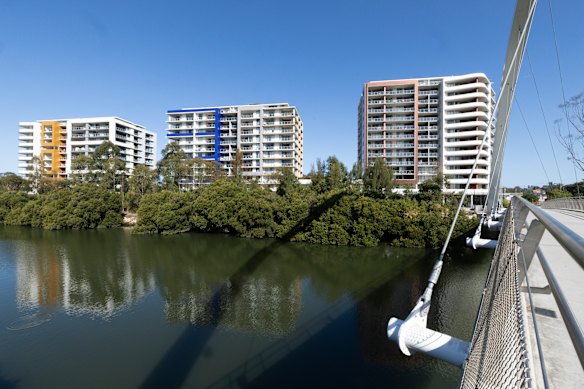
“Any building, any building in Australia, it has minor defects,” he told the commission, later insisting there were “no defects” at his Skyview site, one of the most defect-riddled apartment complexes in the city. “Toplace had always fixed the defects through [its] maintenance arm.”
The experience of current owners suggests otherwise. Eight years after they first took Toplace to court over an alleged 45 defects, Riviera’s owners are still trying to find between $8 million and $10 million to deal with fire safety problems, structural issues and waterproofing problems.
“Sometimes I don’t know why I do this to myself,” said David Luong, a former Sydney Airport executive who purchased an apartment in the complex as an investment for his children in 2023, and who now spends hours each week working to restore the building as a treasurer on the strata committee.
He is speaking out to help other apartment owners in NSW in similar situations, trapped with no way out: those who are too late to sue their developers (Toplace collapsed in 2023), and before a string of legislative protections, including the Residential Apartment Buildings Act, which enforces safety orders, came into effect.
“People cannot, they just cannot put up with the repayment of special levies. It’s just been financial hardship for a lot of people,” he said. “It’s not pocket change for people to pull out a few thousand dollars a quarter to fund special levies, right?”
Of 320 apartments in the complex, 55 are affected by leaks and cracking, Luong said. About $2.75 million worth of work is being undertaken to remove combustible cladding, though the cladding was not illegal when it was installed.
What is of most concern to Luong is the leaking water tank that is meant to act as a last line of defence in a building fire where water mains are not connected to the property. “Obviously we’re on constant alert, right, [because] the water reservoir is not filled up while we’re trying to fix it. The fire specialists have to check it on a weekly basis, put residents on alert.”
Mortgage broker Shami Multani rented a ground-floor apartment in Riviera before he moved to Melbourne. The building felt “uninhabitable” at times, he said, partly because of the cockroaches that would go through the complex. Three or four would regularly be seen skating across the kitchen.
He once returned home to discover carpets in his living area and bedroom soaked because of water coming out of the wall. He could never work out where it came from. When it was windy outside, his building lobby’s glass door would smash or get stuck, he said.
Pipes running along the top of the car park leak and leave bird poo-like stains on cars, one resident reported. They cannot work out what the liquid is – perhaps something acidic – but they know one thing: it’s not water.
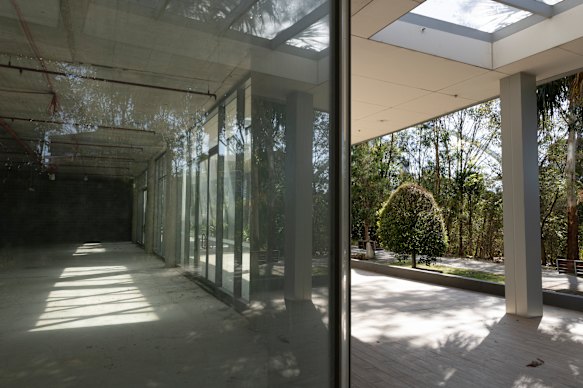
A Mediterranean restaurant operates at the bottom of the building, the only occupant of an otherwise abandoned and dusty set of glass shopfronts. Some are listed for lease, with interested parties encouraged to call the now-defunct phoneline 1800 Toplace.
Riviera’s strata committee has worked hard to fix the property. They have become experts in dealing with everything from defect remediation companies (they have decided to only deal with companies that offer fixed contracts, not charges based on a percentage of works) to dense construction legislation. They even have a newsletter. But there is a long way to go.
Luong encouraged owners in similar positions not to delegate to strata companies but to engage with owners. “They are not good project managers; it is not their competency,” he said.
“My personal viewpoint is I don’t think it was an ethical thing, what the development company has done. But … I cannot undo the past. What I can do is control what we have.”
Disclaimer : This story is auto aggregated by a computer programme and has not been created or edited by DOWNTHENEWS. Publisher: www.smh.com.au