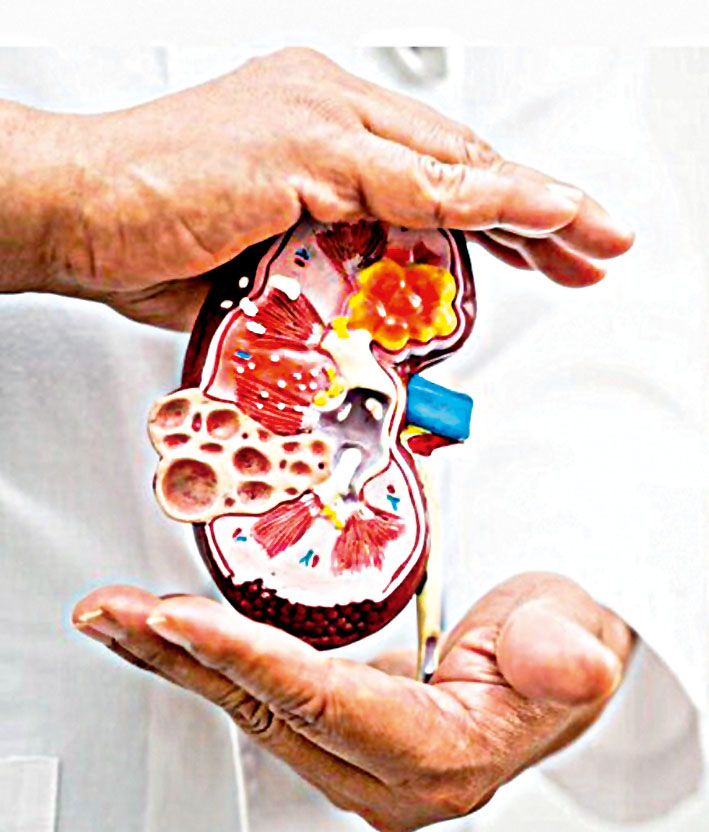
Winter is often associated with coughs, colds and respiratory infections. But there is another health concern that tends to go unnoticed during the colder months — kidney health. Reduced thirst, inadequate water intake, fluctuations in blood pressure and urinary tract infections can all affect how the kidneys function. For people already living with kidney disease, winter calls for extra care.
The Thirst Trap
The winter season poses an added challenge for kidney health, especially in people suffering from chronic kidney diseases. Dr Partha Pradeep Shetty, Senior Consultant, Nephrologist & Transplant Physician, SPARSH Hospital from Bangalore, points out that cold temperatures cause blood vessels to constrict, potentially raising blood pressure and adversely affecting kidney function. People tend to consume less water during winter as they experience reduced thirst, increasing the risk of dehydration. Reduced physical activity and higher consumption of salty foods can further complicate blood pressure management, placing additional strain on the kidneys.
You may not feel as thirsty during winter as you do in summer, but that doesn’t mean your body needs less water. While the summer heat naturally makes you reach for a glass of water, the cold weather often takes away that urge. Before you realise it, you’re drinking much less water than your body needs, increasing the risk of dehydration and putting extra strain on your two tiny beans!
BP on the Rise
Cold weather can also affect blood pressure. As temperatures fall, blood vessels narrow to conserve body heat. The result? A rise in blood pressure levels. Dr Nitesh Jain, Senior Consultant, Urologist & Uro-oncologist, Apollo Hospitals from Chennai says: “Cold weather causes blood vessels to constrict, which leads to an increase in blood pressure.”
He explains that this puts extra pressure on the kidneys, especially in people with high blood pressure or existing kidney diseases. He adds that if blood pressure remains high for a long time, it can damage the tiny blood vessels in the kidneys and worsen kidney function.
Warning Signs
It is important to pay attention to what your kidneys may be trying to tell you. Persistent swelling of the feet or face, changes in urine output, unexplained fatigue, loss of appetite and nausea are warning signs that should not be ignored, particularly in people with diabetes, hypertension or existing chronic kidney disease (CKD).
Dr Partha says, “Kidney symptoms are often not easily observable and can even be confused with general tiredness that comes during winter season.” He explains that even changes in urination, such as passing less urine or noticing foam or blood in it, should not be ignored.
Dr Partha says staying hydrated, eating well and keeping existing health conditions under control are important for kidney health during winter.
People with CKD who have been asked to limit their fluid intake should follow their nephrologist’s recommendations rather than increase their water intake on their own. Also, cut down on salty foods, junk food and protein supplements to avoid putting extra strain on the kidneys. Regular physical activity is important as it helps manage blood pressure and blood sugar levels while supporting heart health.
A Little Care
Winter may bring its share of health challenges, but protecting your kidneys need not be complicated. Staying hydrated, eating sensibly, keeping blood pressure under control and staying physically active can go a long way.
Dr Nitesh quips, “The message is simple: Winter does not damage healthy kidneys, but dehydration, uncontrolled blood pressure and infections can put vulnerable kidneys at risk.”
The key then, is not to wait for symptoms to appear. Perhaps, a little attention today can help prevent bigger problems tomorrow!
Kidney Safe Winter Tips
Stay hydrated: Drink water regularly. Around 2–2.5 litres daily may suit healthy adults, depending on their needs. CKD and heart failure patients should follow prescribed fluid limits.
Watch your diet: Cut down on salt and processed foods. Follow individualised dietary restrictions if you have CKD.
Stay active: Walk regularly and exercise to maintain blood pressure and heart health.
Manage medication: Take prescribed medicines regularly and avoid unnecessary painkillers such as ibuprofen and diclofenac.
Monitor your BP: Keep blood pressure and blood sugar under control.
Health check: Get regular blood pressure, serum creatinine, eGFR and urine albumin tests as advised by your doctor.
(Courtesy: Dr Nitesh Jain, Apollo Hospitals, Chennai)
Regular blood pressure monitoring is therefore important, especially for those with existing kidney conditions.”
— Dr. Nitesh Jain, Sr. Consultant, Urologist & Uro-oncologist, Apollo Hospitals from Chennai
The winter season poses an added challenge for kidney health, especially in people suffering from chronic kidney diseases.”
— Dr Partha Pradeep Shetty, Sr. Consultant, Nephrologist & Transplant Physician, SPARSH Hospital , Bengaluru
Disclaimer : This story is auto aggregated by a computer programme and has not been created or edited by DOWNTHENEWS. Publisher: deccanchronicle.com