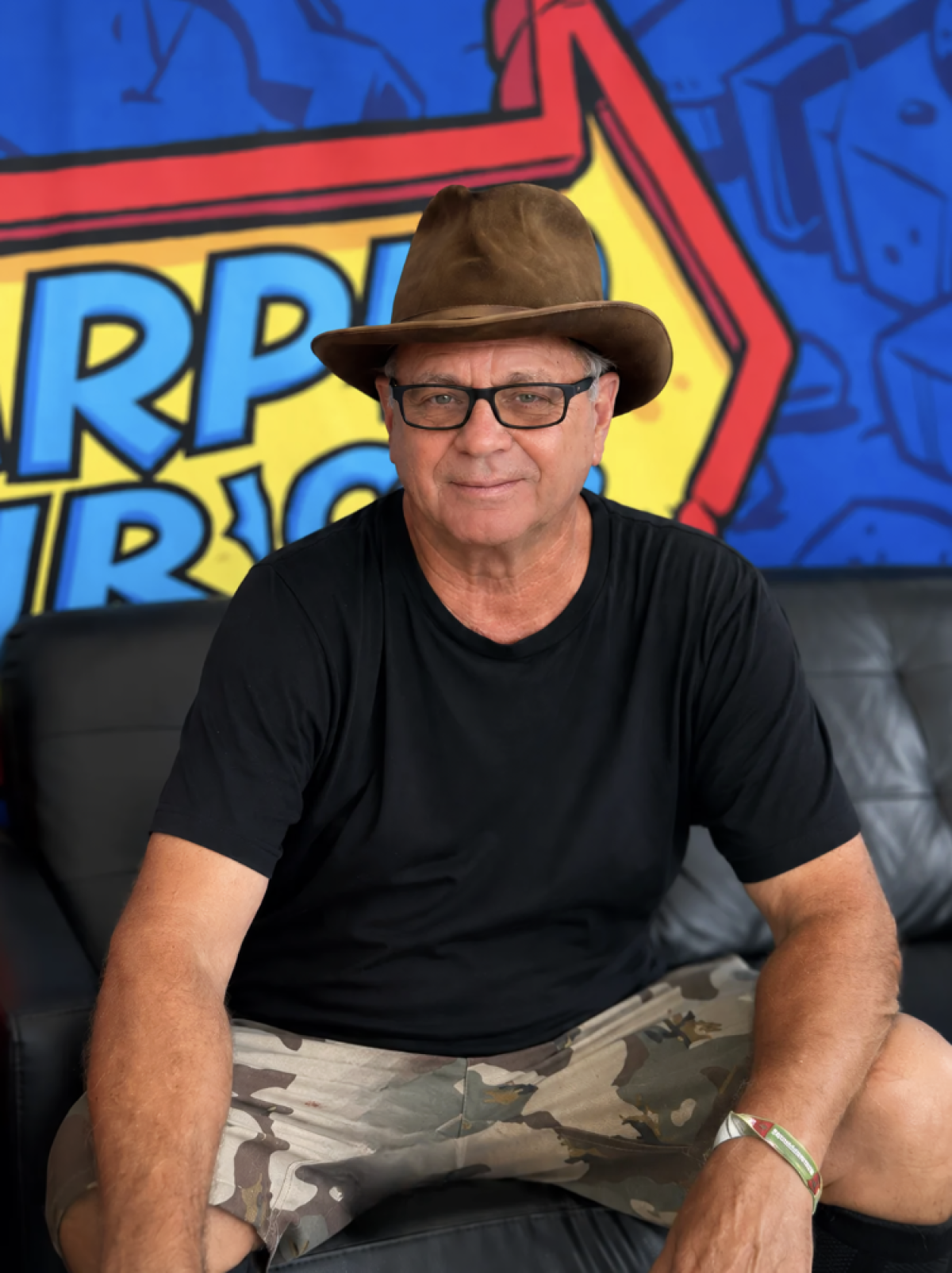
Kevin Lyman has always lived life on the move. For years it was a symptom of working to keep up with Warped Tour, a punk rock circus on wheels. Since bringing the festival back last year to celebrate its 30-year anniversary, he’s switched his mode of transport from buses to planes. What started as a two-month tour across the U.S. and parts of Canada is now a strategically placed, five-date extravaganza starting this weekend in Long Beach. With stops in Montreal, Mexico City, Orlando and Washington, the tour has gotten bigger with the partnership of EDM promoter Insomniac but Lyman insists that the soul of it remains the same.
Thriving on a mix of punk, emo, ska, hardcore, metal and action sports, Warped has become an entry point to festival culture for a new generation of fans, requiring Lyman to always move forward in his musical tastes while still trying to stay true to the essence of what made Warped more of a community than just an annual event.
Recently he chatted with The Times to discuss the process of continuing the fest’s revival and why it’s still a vital part of the summer festival ecosystem.
What were your initial thoughts after Warped Tour’s big comeback in Long Beach last year?
I was really nervous. To be honest, I knew I had one shot at getting it right. I knew there were going to be bigger stages, we were going to have video and lights, but I also knew that I had to make it feel like Warped Tour between the performances. So that little bit of controlled chaos we had between the stages — the merch tents, all the sponsorship booths, the skate ramps, the surprises we threw out each day — I think it was mission accomplished. The feedback overall has been fantastic from the fans. For some people closer to my age demo, maybe it was a little too much — their feet hurt. But Warped came back strong, we went back on sale [for 2026] fairly quickly, and to still have 50% of the people buy the tickets right away without knowing a band on the bill yet was great.
Jimmy Eat World is doing like their 25th anniversary of “Bleed American” at the fest this year. What does it mean to you to have some of those early Warped Tour bands like that on the bill again?
It felt good to have a lot of those bands. For me, one of the more emotional ones last year was Rise Against. They had such a big moment. They were such a part of Warped Tour, and you get them to come back and then watch that crowd, every phone went up in the crowd, and probably 50% of the people there had never seen them before.
“I’ve been a disruptor, and the disruption I’ve caused has attracted enough people. Now we’re a niche of people,” Lyman says. “Warped is a great niche.”
(
)
You’ve always had your own way of doing things that created the culture of Warped Tour. Why do you feel it is still so vital in the festival ecosystem today?
I had to carve a niche out for myself in the industry. I was never going to really quite conform. I kind of came from that rebellious spirit that Goldenvoice instilled in me back in the ‘80s when I worked for them, and Gary Tovar was rebellious. So I’ve always kind of had that mentality of, “Hey, let’s go against the norm. Let’s make it something our own.” And even when I’m teaching at USC now, I say you have to learn the foundations of every business. And those foundations, to me, were working 12 years in the clubs of L.A., 320 nights a year, and then you have to make something your own. I always say when you decide to go for it — go for it. And I did, and it seemed to connect with enough people and resonated with enough people that I’d been around that said, “Wow, this is different. He needs to work on it. But instead of knocking him down, let’s support him.”… I’ve been a disruptor, and the disruption I’ve caused has attracted enough people. Now we’re a niche of people. Warped is a great niche.
How did you keep Warped on people’s minds year-round while you were planning it out this year?
That was a challenge because before we used to have the two-month tour, so we were able to build community to keep the conversation going. Community is a big driver for me. Everything we’re doing now is investing in the community, and I think it’s working. [In January] we had a downtown Long Beach event with the band Holy Wars, we had an event in Orlando. We had one event in a fraternity house backyard in Virginia, we had events in Mexico City and Montreal … canned food drives, blood drives or, you know, register to vote. We’ll drop those kind of events so we’re constantly in everyone’s mindset. And it’s not about monetizing. I think people are always asking “How do you monetize the superfan?” I’m like, “How do you reward them?” Giving people a free Sunday afternoon event in Long Beach, that’s a thank you. Those are the people that are going to spread the word when you post a video, they’re going to share it with all their friends, and then they’re going to be telling kids at their schools. A third of the people going to Warped had never been to a festival or even a concert before, so we need to engage them in a different way.
What are your ways of scouting out bands you want to take a chance on when booking the festival?
Well, I have a great booker named Amanda Phelan. She books with me, so she’s kind of that on the ground talking to the agents and things. I don’t necessarily do that much anymore. I talk to them, but my part is more like, “Oh, I want to see what bands other bands are talking about, or young people are talking about.” And then I’m also talking to lots of the independent promoters out there that you know I used to work with.
Why do you think younger generation of fest goers will keep discovering Warped Tour?
We used to be that festival where you know it was over by sunset, your mom could pick you up at the curb or you could get home by dark, and then you went off to other festivals. We were your entry point to festivals. We may be that entry point again, but a lot of it now will come down to price point. We know the economics of Warped Tour are conducive for people that want to go on two levels: ones that want to come and explore a festival, and other ones, maybe some of your peers, who don’t get to go out every night and see bands anymore because they all have real jobs and things. But they can go for one for two days and catch up on all music, which makes you feel like you’re staying young.
More to Read
Disclaimer : This story is auto aggregated by a computer programme and has not been created or edited by DOWNTHENEWS. Publisher: latimes.com