The gym is packed, the music is loud and the weights are getting heavier. But for some young fitness enthusiasts, the real test begins the next morning, when climbing a flight of stairs becomes an uncomfortable exercise in itself. Knee pain, once dismissed as an ageing complaint, is increasingly troubling younger adults, from gym-goers and weekend athletes to people who spend long hours sitting. Are we pushing our knees harder than they can handle?
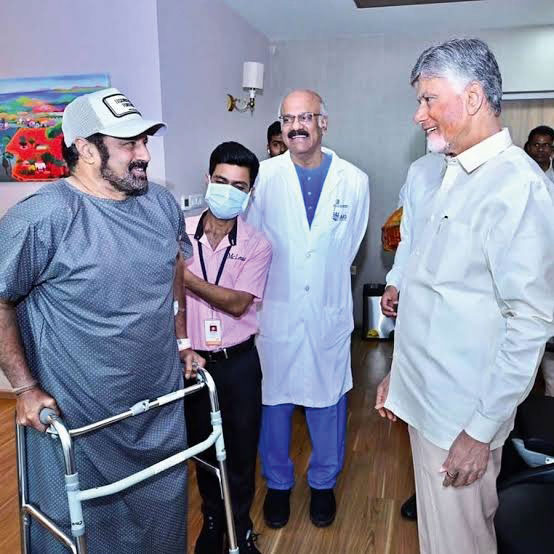
Recent injury-related surgeries involving film personalities Kartik Aaryan and Nandamuri Balakrishna have put knee health in the spotlight. With high-intensity workouts, running, badminton and football gaining popularity, concerns are growing over whether our joints are equipped for the strain. Orthopaedic specialists report ACL tears, meniscus injuries and early cartilage damage among younger patients, often linked to sports injuries, poor exercise techniques, excess weight and inadequate muscle conditioning.
When workouts hurt
Dr Vasudeva Juvvadi, Senior Consultant Robotic Joint Replacement and Orthopaedic Surgeon, Care Hospitals, identifies intense workouts, competitive sports and inadequate recovery as important contributors to knee injuries.
ACL injuries often result from sudden twists, awkward landings, jumps and sharp turns, common in football, badminton, basketball and cricket. Meniscus tears are equally concerning. This cartilage cushions the thighbone and shinbone. A tear can cause pain, swelling, locking and restricted movement.
Dr K Ratnakar Rao, Senior Consultant Ortho Robotic Surgeon, Apollo Hospitals, warns against jumping into demanding exercise routines without preparation. “Weekend warriors who jump into high-intensity workouts without conditioning are particularly vulnerable,” he says. Excess body weight adds to the load on the knee, while weak supporting muscles can compromise joint stability.
EVERY INJURY NEED SURGERY?
Not necessarily. “Treatment depends on the injury, its severity and the patien’s activity requirements. Physiotherapy, muscle strengthening, flexibility exercises and weight management can help many patients with mild ligament injuries, selected stable meniscus tears and early arthritis,” Dr TDR Reddy, Chief Orthopaedic Surgeon, Yashoda Hospitals. However, complete ACL tears accompanied by recurrent instability, certain repairable meniscus injuries and persistent symptoms despite rehabilitation may require surgery. Dr Ratnakar Rao cautions against delaying assessment when an injury needs intervention. Some meniscus tears may be suitable for repair, helping preserve the knee’s natural cushioning.”
Knee replacement is no longer exclusively an option for older adults. Younger patients with advanced arthritis, severe pain and restricted mobility may also need the procedure when other treatments fail. However, preserving the natural joint remains preferable whenever possible. Artificial joints have a finite lifespan, and younger patients may eventually require revision surgery. Dr TDR Reddy, emphasises that treatment decisions should depend on symptoms, clinical examination, imaging and functional needs rather than age alone.
Box: Protect your knees before they protest
Build supporting strength: Strengthen the quadriceps, hamstrings and hip muscles to support knee stability.
Warm up and progress gradually: Prepare muscles before exercise and increase workout intensity in stages.
Manage your weight: Maintaining a healthy weight reduces pressure on the knee joints.
Watch for warning signs: Persistent pain, swelling, locking or instability should not be dismissed as routine post-workout soreness. Seek early assessment to identify injuries and prevent further damage.
Know your limits: Staying active benefits your knees, but overtraining and ignoring pain can do more harm than good.
Choose low-impact activity: Walking, swimming and cycling help you stay active while placing less stress on the knees.
WHEN SHOULD YOU WORRY?
l Persistent knee pain- Swelling after exercise- Locking or difficulty bending- Knee instability or giving way
Difficulty climbing stairs
Sudden twists, awkward landings and sharp turns can tear the ACL, especially in football, badminton, basketball and cricket.
— Dr Vasudeva Juvvadi, Sr Consultant Orthopaedic Surgeon
Early-onset osteoarthritis is another concern, with past injuries, obesity, poor joint alignment and inactivity contributing to premature knee damage.
— Dr TDR Reddy, Chief Orthopaedic Surgeon
cautions against delaying treatment, as some meniscus tears can be repaired to preserve the knee’s natural cushioning.
— Dr Ratnakar Rao, Senior Consultant Ortho Robotic Surgeon
Disclaimer : This story is auto aggregated by a computer programme and has not been created or edited by DOWNTHENEWS. Publisher: deccanchronicle.com