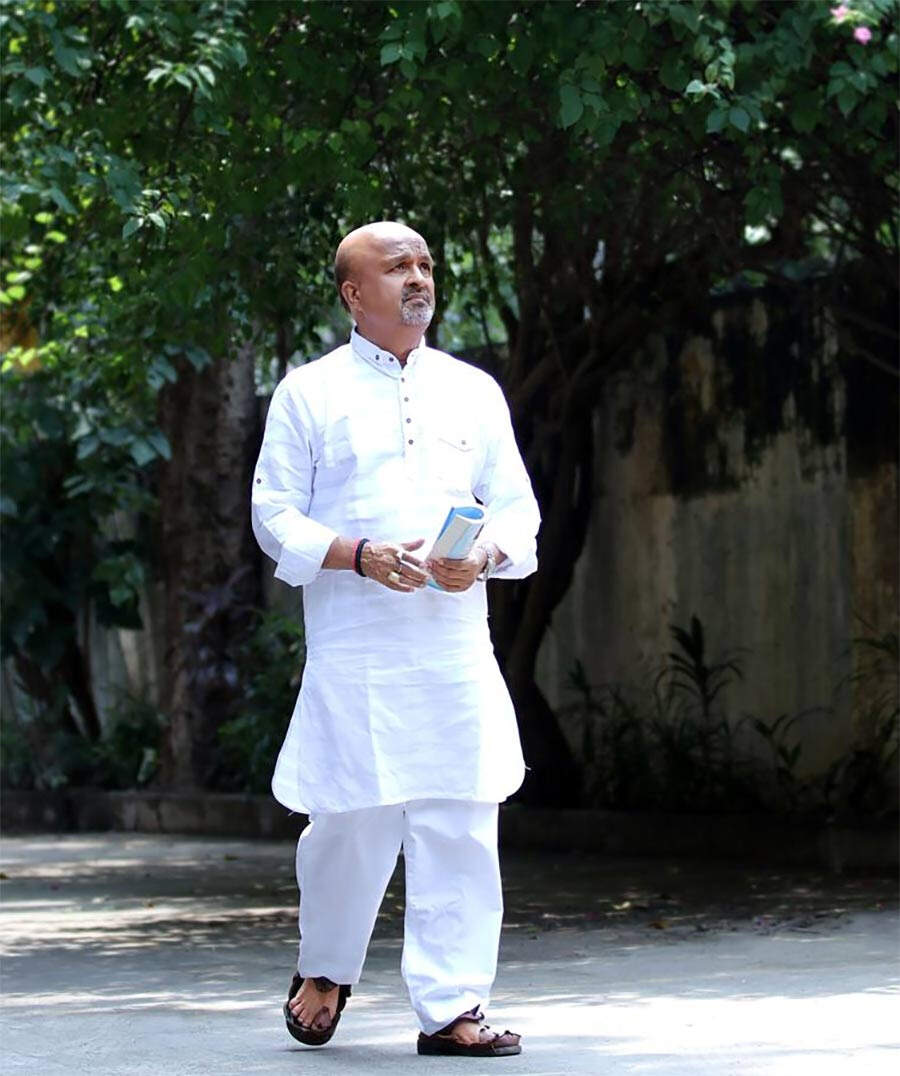
My father, Anjaan, had done a lot of great songs with Ashaji—Raat baaki, Jawaani jaaneman (Namak Halal, 1982), Mujhe naulakha manga de (Sharaabi, 1984), Pyar mein dil pe (Mahaan, 1983), and so many lovely songs like Kab ke bichhde (Laawaris, 1981), Pataka phuljhadi na (Swami Dada, 1982), and the songs of Muqaddar ka Sikandar (1978).
I was doing my post-graduation in Varanasi when I came down to Mumbai to meet my dad. He said he was going for a recording and asked me to accompany him. I had always dreamt of meeting the greats, Rafi Saab, Lata Mangeshkar, Kishore Kumar and Asha Bhosle. I was in awe of their immense talent. So you will understand when I say that my happiness knew no bounds when I heard Ashaji was the singer that day. The film was Shraddhanjali (1981) and the music director was her son, Hemant Bhosle.
I remember that day crystal clear. She walked into the studio and suddenly began sniffing the air. She realised that her son Hemant had consumed alcohol. She started trembling with rage and let loose. She said the recording room was her temple and she would not tolerate any nonsense there. Hemant was beside himself, almost in tears. He apologised profusely, and the recording began.
She gave something extra special to the song, perhaps as a gesture for her son. But then, Ashaji always gave something extra special to every song. It was okayed in one take. Afterwards, she met me, was amazed at how much I had grown, and hugged me warmly. She said my father didn’t just write songs, he wrote the philosophy of life, and that I should always pay close attention to what he said or did. They shared a deep friendship. Often, I would sit in the car with them and they would speak not of songs, but of life’s philosophies.
My turn to write for Ashaji came with Ab Aayega Mazaa (1984) for Anand–Milind, with the song Solah baras ki kamsin umariya, sung by her and Kishoreda. One thing I noticed during the recording was that she would first ask the music director to sing the song to her. She said it was a habit she had picked up from her sister, Lataji, in her early years. It helped her imbibe the spirit of the song and understand the exact tenor the composer wanted.
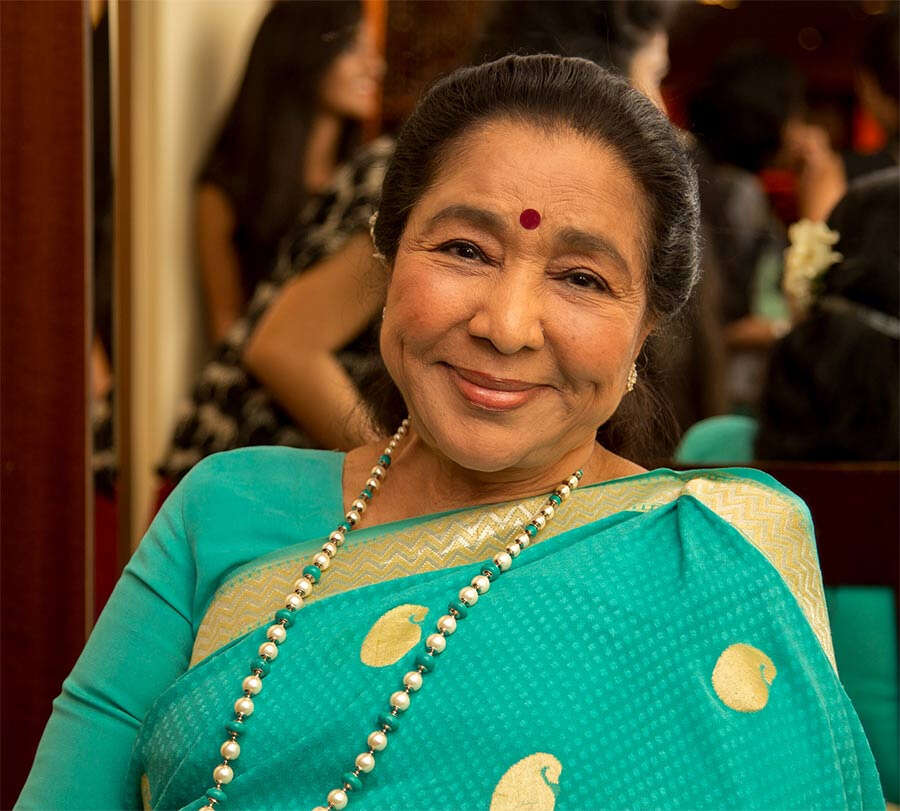
It’s remarkable how these sisters would sing in one take with all the musicians. Today’s singers often record one line at a time, it’s so much easier now. But to sing in a single take with a full orchestra, that was pure genius.
And then, their talaffuz. Despite being Maharashtrians, their command over languages, Hindi, Bhojpuri, Gujarati, Bengali, was extraordinary. They didn’t just sing the language, they owned it.
I enjoyed writing Ajnabi mujhko itna bata from Pyar To Hona Hi Tha (1998), and O chehra kya dekhte ho from Salaami (1994). She brought her signature oomph and magic to so many songs I wrote. Even Aaja sunle sadaa from Gurudev (1993) became special because of her.
She would often say there are two kinds of singers, those who sing for the stomach, and those who sing from the stomach, with utmost passion. She believed she and her sister belonged to the latter. She would advise me, “Gaane ki rooh ke andar jaana,” find the soul of the song, just as my father did. For her, the recording room was a temple. The moment she stood before the microphone, she would leave behind all her sorrows and struggles.
Her life had its share of tragedy, but she never played the victim or spoke of her suffering. She was always jovial, laughing, cracking jokes. What a great soul.
The last time I met her was with music director Shamir Tandon. We were outside her house. I placed my ear to the door and could hear the sound of the tanpura, she was doing her riyaaz. Imagine, at the age of 92, still practising. Who does that today? She simply said, “This is my religion. I cannot be dishonest to my art.”
I was overwhelmed, as always.
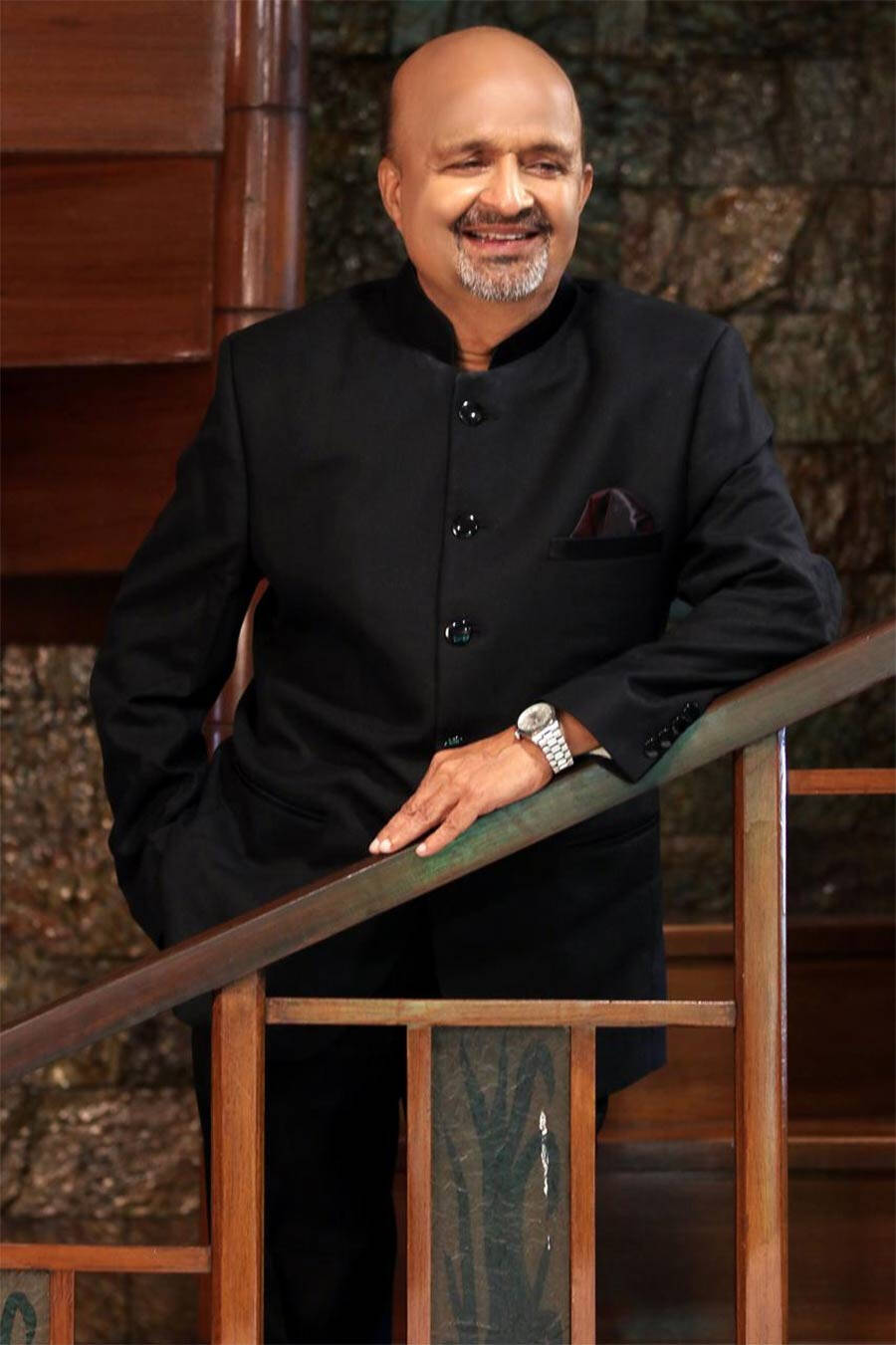
I still can’t wrap my head around the fact that despite eight decades of musical experience, she remained so humble. Neither hits nor flops made any difference to her. I have seen one-film-old singers behave like upstarts.
With her passing, it’s not just the end of an era, it’s the end of a “voice” era.
Also Read: Amitabh Bachchan, Anil Kapoor at lyricist Sameer’s daughter’s reception
Disclaimer : This story is auto aggregated by a computer programme and has not been created or edited by DOWNTHENEWS. Publisher: filmfare.com