
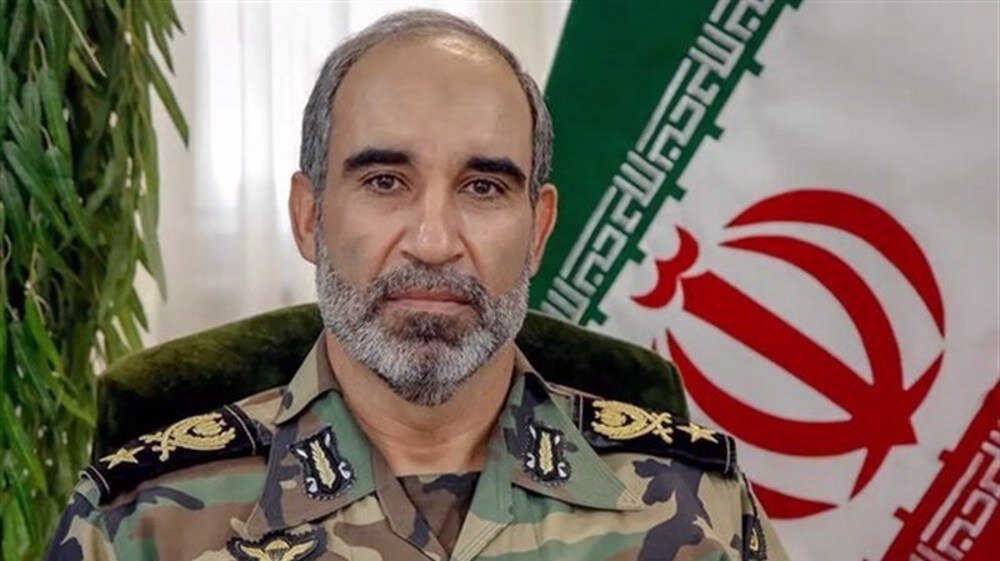
TEHRAN — Iran has deployed more than 50 combat and support units of its Army Ground Force along the country’s borders, including mobile, rapid-reaction, armored and mechanized brigades, as well as artillery, engineering, missile and unmanned aerial vehicle (UAV) units, the force’s commander has said.
Brigadier General Ali Jahanshahi, commander of the Islamic Republic of Iran Army Ground Force, said the force had revised its operational plans, restructured elements of its combat organization and strengthened its readiness in response to lessons learned from previous conflicts, including the 12-day war and the conflict Iranian officials refer to as the Ramadan War.
In remarks reported by Mehr News Agency, Jahanshahi said the post-war reforms had prioritized the introduction of precision-strike, smart and network-enabled weapons systems, alongside expanded training programs to enhance personnel proficiency and operational effectiveness.
He added that measures to reduce personnel casualties, protect military assets and sustain operational readiness included the construction of extensive tunnel networks, trenches, firing positions and defensive fortifications at military installations.
Large-scale force deployment across Iran
Jahanshahi said that, following the outbreak of the Ramadan War, more than 50 combat and support units had been deployed to border areas across the country.
The deployments extended from Iran’s northwestern and western frontiers to the southwest, east and southeast, as well as the Makran coastline. According to the commander, the redeployment effort involved more than nine million kilometers of road movements, alongside the transport of substantial quantities of ammunition and military equipment by heavy vehicles.
He said the movements were conducted under the surveillance and potential threat of hostile drones and aircraft, with forces repositioned at night to reduce their exposure. Jahanshahi said the deployment had strengthened Iran’s deterrence posture and helped prevent enemy forces from crossing the country’s borders.
He added that Ground Force units remained deployed along the frontiers and maintained operational readiness despite temperatures exceeding 50 degrees Celsius, high humidity and limited logistical facilities.
ounter-infiltration measures and continued weapons production
Jahanshahi said military planners had identified locations that could potentially be used by hostile forces to enter Iranian territory, including disused airfields. Countermeasures had been planned for potential incursions, while intelligence operations had been conducted to improve situational awareness.
He also said domestic military production had continued throughout the conflict and remained ongoing.
According to Jahanshahi, the Army Ground Force, operating alongside other branches of Iran’s armed forces, launched thousands of Arash drones against US military bases in regional countries and targets associated with Israel during the war.
Passive defense measures limit personnel losses
The commander said several Ground Force installations had been struck during the conflict, with military buildings and personnel accommodation among the targets. At one base, he said, 10 barracks buildings were hit. Attacks also caused extensive damage to military infrastructure, destroying hundreds of thousands of square meters of buildings, according to his account.
Jahanshahi attributed the comparatively limited loss of life to the dispersal of personnel and the implementation of passive defense measures. Without those precautions, he said, the number of fatalities could have reached thousands.
Despite the damage, he added, personnel had maintained their positions and continued their missions.
Jahanshahi concluded that the Ground Force’s operational readiness and capabilities had improved significantly compared with the period before the conflict, with equipment production continuing and units maintaining their preparedness for potential threats.
Disclaimer : This story is auto aggregated by a computer programme and has not been created or edited by DOWNTHENEWS. Publisher: tehrantimes.com





