
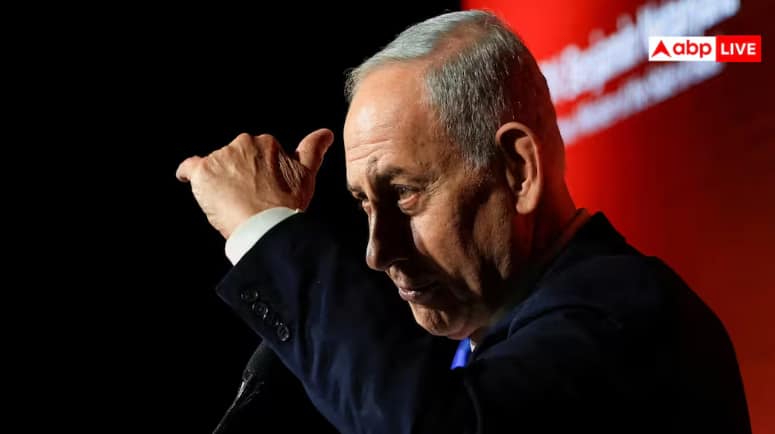
- Netanyahu’s party claimed election fraud; Arab parties condemned.
Israel’s election has been engulfed in controversy after a senior judge ordered an investigation into allegations that foreign funding may have influenced Tuesday’s Knesset vote. Deputy Supreme Court Justice Noam Sohlberg, who heads the Central Elections Committee, instructed Shin Bet chief David Zini to examine suspicions of funding by foreign entities allegedly acting against Israeli interests. The allegations have intensified political tensions after a record turnout among Arab voters threatened Prime Minister Benjamin Netanyahu’s parliamentary majority.
Qatar Under Scrutiny
Sohlberg did not identify the suspected foreign entities or specify how the alleged funding was used. However, Hebrew media reports have linked the suspicions to Qatari money allegedly intended to encourage Arab voters to participate in the election.
Qatar has denied interfering in Israel’s electoral process, describing the allegations as “ridiculous and dangerous”.
Netanyahu and members of his coalition have seized on the claims, with his Likud party alleging that the election was “stolen”. The controversy follows an unprecedented Arab turnout that is projected to give Arab-led parties a record 19 seats.
Acting Central Elections Committee director general Dean Livne has said there is no evidence supporting claims of widespread electoral fraud. Arab parties have condemned Likud’s allegations as racist, while opposition leader Gadi Eisenkot accused Netanyahu of leading an illegitimate influence operation to undermine the results.
What Does The Law Say?
Israeli law prohibits political parties from accepting donations from foreign citizens, regardless of their nationality. Violations can attract fines and, in cases involving additional offences such as money laundering, criminal prosecution.
Non-profit organisations can receive foreign funding but must disclose contributions when they account for more than half of their revenue. Paying voters to cast ballots or abstain is also illegal, although transporting voters to polling stations is permitted.
Under the 1969 Knesset Elections Law, eligible petitioners have 14 days after the final results are published to challenge the outcome before the Jerusalem District Court.
Could Results Be Overturned?
The court can order fresh voting at individual polling stations or across the country if it finds evidence of unlawful practices capable of affecting the outcome. However, Israel has never annulled an entire national election, making such a scenario highly unlikely.
Legal challenges would not delay the new Knesset’s swearing-in or invalidate its decisions. Nevertheless, the allegations could complicate coalition negotiations and influence parliamentary cooperation.
Netanyahu has argued that the claims should rule out cooperation between Jewish opposition parties and Arab lawmakers. However, such a coalition remains unlikely because some opposition factions oppose the arrangement.
For now, the investigation could deepen Israel’s political divisions, but there is no established evidence that widespread fraud changed the election result.
Also Read: ‘Election Was Stolen’: Netanyahu Accuses Arab Parties Of Fraud, Demands Investigation
Disclaimer : This story is auto aggregated by a computer programme and has not been created or edited by DOWNTHENEWS. Publisher: abplive.com




