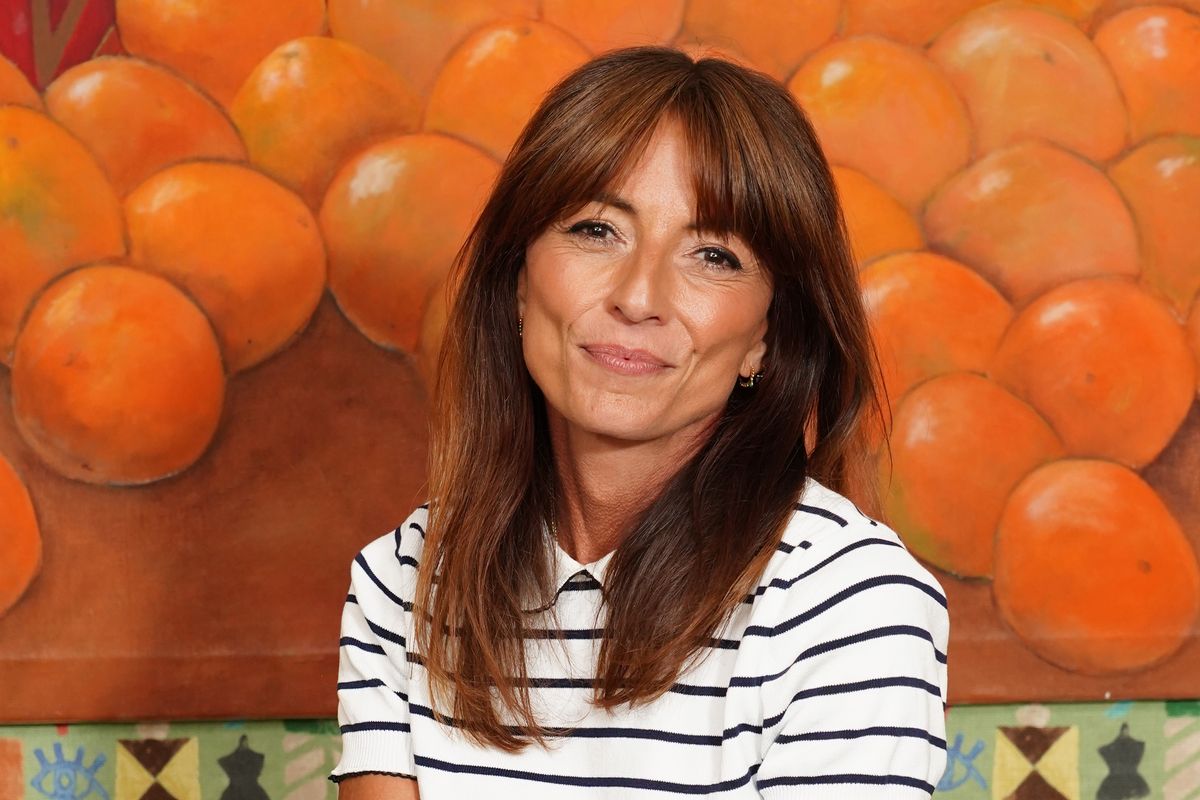
The TV presenter has given a new health update
Davina McCall has revealed she has cardiovascular disease (CVD) in a new health update after overcoming breast cancer and a brain tumour.
Speaking on her podcast, Begin Again, the TV presenter said: “I wanted to let you know, I also have cardiovascular disease, and this is a very important conversation to have.” The former Big Brother host, 59, spoke with heart attack survivor Louise McGill to highlight the importance of women’s cardiovascular health.
McCall added: “Anyone can get sick and when I had my cancer experience, you just suddenly feel vulnerable in a way you weren’t before… Once you’ve been ill, you think ‘Oh, I thought I was invincible’.”
McCall noted that she was told she had high cholesterol before being diagnosed.
She said: “I had high cholesterol and had it for quite a long time. It was deemed I had good cholesterol and that offset the bad or something.”
McCall urged women not to “brush things off” and make sure they are aware of their health. She said: “Heart attacks and cardiovascular disease is rife out there particular in women post menopause. If there’s one takeaway today it’s not to brush things off.”
McCall has had a few problems with her health in recent years. She was diagnosed with breast cancer in October 2025, but said in April she had now received the “all clear” following surgery. McCall also underwent surgery in 2024 to remove a benign brain tumour.
NHS cardiovascular disease symptoms
CVD is the name of a group of conditions that affect the heart and blood vessels. It is often caused by a build-up of fat in the arteries, which makes it hard for blood to flow through the body, according to the NHS.
It can be prevented with a healthy lifestyle or by taking medications if needed. The NHS says that symptoms of cardiovascular disease (CVD) will depend on the condition the person has – some conditions may not have any symptoms. For some people, the first sign that they have CVD may be having chest pain (angina), a heart attack or stroke.
Types of cardiovascular disease
There are many types of CVD, but the NHS says there are four main versions. In coronary heart disease (CHD) the arteries become blocked by a build-up of fat, making it hard for blood to flow to and from the heart.
In peripheral arterial disease (PAD), a build-up of fat in the arteries causes reduced blood flow to the legs and feet. Aortic disease, meanwhile, is a group of conditions that affect the aorta (the largest blood vessel in the body). It can lead to an abdominal aortic aneurysm.
Finally, stroke is where blood suddenly stops flowing to a part of your brain because of a blockage. This can affect things like speech and movement.
Who is at risk of cardiovascular disease?
The NHS says that there are things that may make it more likely a person get CVD, including:
- their lifestyle – such as smoking, drinking too much alcohol, being overweight and not being active
- their age – CVD mainly affects people over 50 years old
- their sex – men are more likely to get CVD than women
- their ethnicity – a person may be more likely to get CVD if they’re from a South Asian, Black African or African Caribbean ethnic background
- having family members with CVD
- having certain conditions, such as diabetes, high blood pressure or high cholesterol
How to reduce the risk of cardiovascular disease
The NHS says that people with a high chance of getting CVD may be advised to take statins. Statins lower the level of cholesterol in the blood and reduce the chance of getting CVD. There are also lifestyle changes people can make to help prevent getting CVD or stop it from getting worse if they already have it.
These include eating a healthy and balanced diet, reducing the amount of fatty foods they eat, trying to exercise regularly, trying to keep to a healthy weight, cutting down on alcohol and stopping smoking.
Aside from statins, treatments can include surgery or the fitting of a pacemaker.
Disclaimer : This story is auto aggregated by a computer programme and has not been created or edited by DOWNTHENEWS. Publisher: mirror.co.uk