TEHRAN – Iran has yet to properly present its rich history and civilization to younger generations and the international community, the cultural heritage minister Seyyed Reza Salehi-Amiri underlined at an event titled “Night of Iran,” calling for a more comprehensive and historically grounded account of the country’s cultural, scientific and artistic achievements.
“We have not yet succeeded in telling the story of Iran as it deserves, given the history, culture and civilization of this land,” the minister said on Tuesday evening. “We must address this shortcoming and present a comprehensive account of Iran based on historical evidence and facts.”
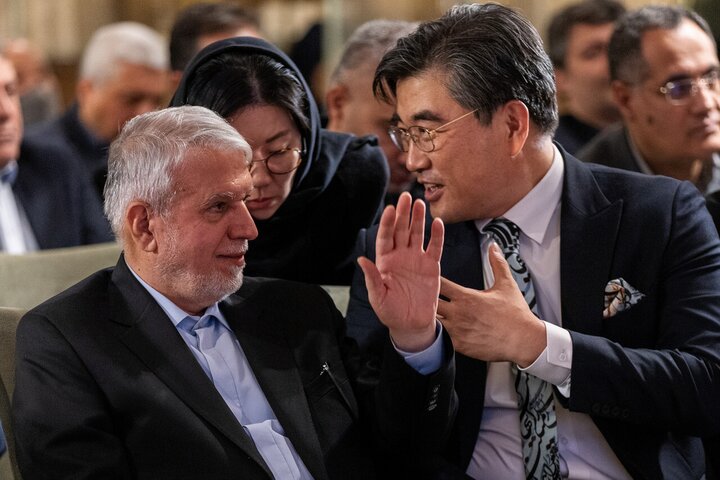
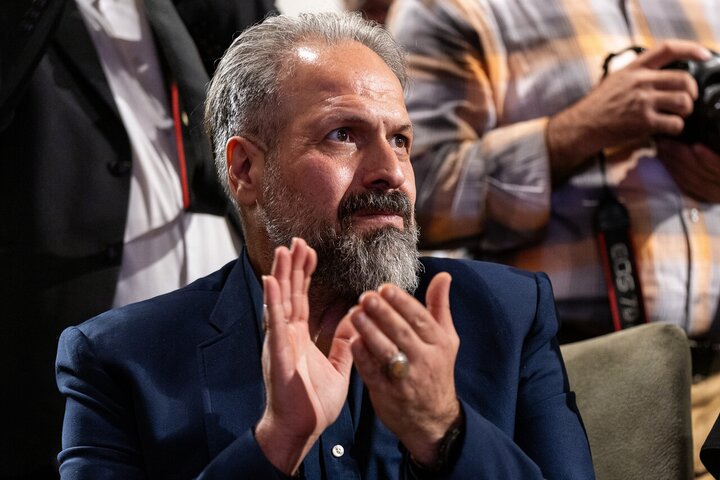
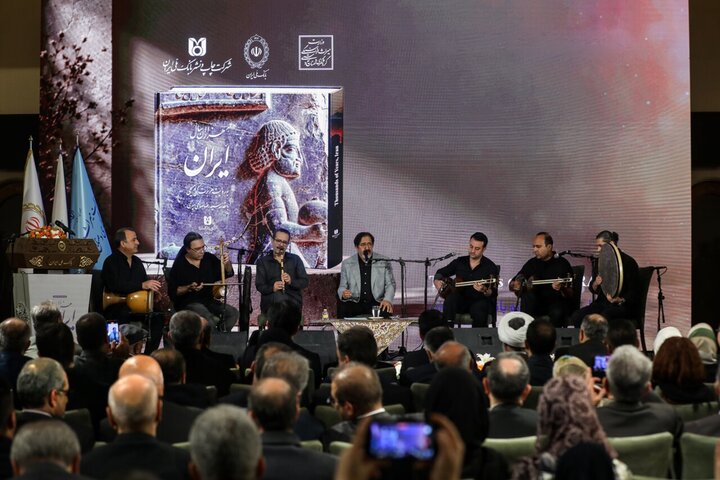
The event was held at the Museum of the National Bank of Iran in downtown Tehran and brought together cultural officials, archaeologists, researchers, lawmakers and other figures involved in the country’s cultural heritage sector.
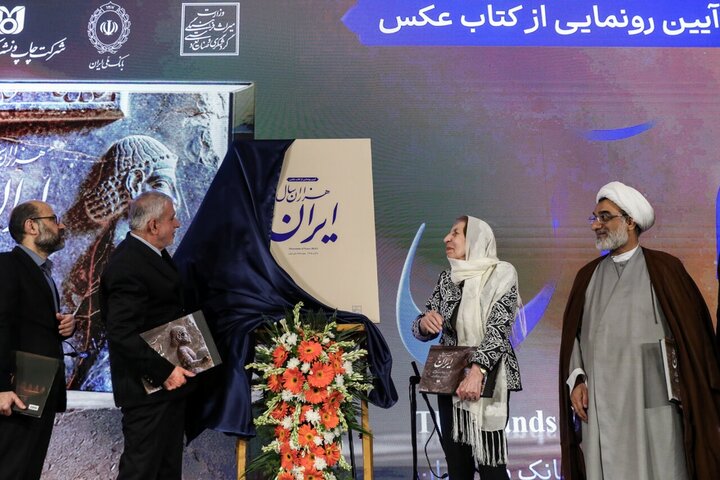
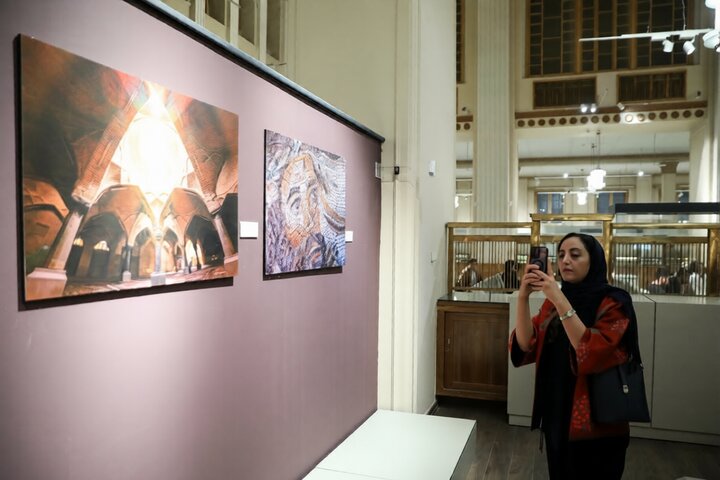
The gathering also featured the unveiling of “Thousands of Years, Iran”, a collection of photographs by Herbert Karim-Masihi documenting aspects of Iran’s historical and cultural heritage.
Salehi-Amiri described Iran as a country with deep-rooted identity, an unbroken historical continuity and a living culture that has endured through thousands of years of upheaval and foreign invasions.
He said successive invasions and political upheavals, from the Mongol and Afghan incursions to more recent threats, had inflicted damage on the country but failed to destroy its cultural and civilizational foundations.
“Iran is like a tree whose branches may bend in a storm, but whose roots remain firm,” he said, arguing that the survival of Iranian civilization demonstrates its resilience across generations.
The minister said cultural heritage was among Iran’s most important national assets because it strengthens social cohesion, reinforces national identity and creates a shared sense of belonging among Iranians.
He described Iran as a unifying force for people across the world, bringing together those with different ethnic, cultural, social and intellectual backgrounds through their historical ties to the country.
Salehi-Amiri said Iran’s history and civilization should play a greater role in shaping the country’s international image, questioning why the country is often viewed primarily through the lens of war, missiles and political disputes.
“Iran has a history spanning thousands of years, an extensive heritage and an influential culture,” he said, adding that greater attention to these achievements could help international audiences develop a deeper understanding of Iranian identity.
He called for stronger efforts to introduce the country’s historical legacy through education, research and public cultural programs.
The minister underlined that schools should incorporate appropriate material on Iranian history and civilization into their curricula, helping students understand the historical and cultural background to which they belong.
Universities, he added, should expand teaching and research on Iran’s history, intellectual traditions, arts and national identity. Such efforts would encourage historical awareness, cultural responsibility and informed participation in shaping the country’s future.
Salehi-Amiri also emphasized that much of Iran’s historical heritage remains undiscovered or insufficiently documented. Continued archaeological excavations and historical research, he said, could reveal further aspects of the country’s past and bring lesser-known stories to public attention.
He referred to the views of scholar Zhaleh Amuzegar on the endurance of Iranian civilization, noting that political leaders and governments come and go while cultural achievements can survive across centuries.
The minister also said he had held discussions with managers of banking and economic institutions about their participation in the restoration and completion of historical projects, highlighting the potential role of the private and financial sectors in preserving the country’s heritage.
Addressing the country’s difficult circumstances, Salehi-Amiri called for national solidarity and said the government was working to support the public and ease their difficulties. He apologized for shortcomings and expressed confidence that Iran would overcome its current challenges.
Amuzegar, an Iranian scholar of ancient cultures and languages, mythology, and literature, also spoke at the event, emphasizing the importance of hope and confidence in younger generations.
“Iran will not die with the young people and artists it has, and we must not lose hope,” she said.
She argued that Iran’s cultural vitality rests on a broad base of creative talent rather than a handful of prominent figures. Across generations, she said, the country has continued to produce people capable of sustaining its artistic and cultural life.
“People come and go, but Iran remains,” Amuzegar said, expressing confidence in the country’s ability to preserve its cultural identity and continue developing its creative potential.
Mohsen Seyfi-Kafashgari, chief executive of Bank Melli Iran, said the bank’s century-long history was closely connected to the country’s economic and social development and deserved to be documented for future generations.
He said the institution had experienced numerous changes and challenges throughout its first 100 years and that preserving records of its activities and major events could help illuminate aspects of Iran’s contemporary history.
The documentation project, he added, would offer an opportunity to examine the relationship between the economy, society and national identity, while preserving the experiences of an institution that has played a significant role in the country’s financial history.
The ceremony was attended by Abdolhossein Khosropanah, secretary of Iran’s Supreme Council of the Cultural Revolution; Gholamreza Amirkhani, head of the National Library and Archives of Iran; Kim Jun-pyo, South Korea’s ambassador to Iran; archaeologists, cultural heritage specialists, representatives of parliament and officials from cultural institutions.
Among those present were researchers and archaeologists Fakhri Daneshparvar, Jalil Golshan and Mehrdad Malekzadeh, as well as Jebrael Nokandeh, head of the National Museum of Iran, and Mohammad Mehdi Asgarpour, head of the board of directors of the Iranian House of Cinema.
AM
Disclaimer : This story is auto aggregated by a computer programme and has not been created or edited by DOWNTHENEWS. Publisher: tehrantimes.com