No elevated lead levels in drinking water following Iowa explosion, EPA finds
To play this video you need to enable JavaScript in your browser.
This video can not be played
-
Published
Days after the US military detonated nearly five tonnes of toxic explosives in Iowa, there were no indications of elevated lead levels in local drinking water, the Environmental Protection Agency (EPA) said.
The military’s plan to blow up lead azide, a volatile compound reportedly at risk of exploding on its own, was met with public concern across the country about potentially dangerous levels of pollution in the air and water.
But the EPA said it found no lead in 38 samples taken from public water supplies after the 25 November detonation.
The agency said it had tested “samples of finished treated drinking water and untreated water at the intake”.
“We will continue to provide updates in the coming days as new lab results for over 3,200 air, soil, dust and water samples (collected pre and post detonation) rapidly return and get validated,” it posted on X.
A team of 300 personnel and contractors spent 30 consecutive hours after the blast collecting samples and monitoring for airborne lead.
Before the detonation, they sampled 35 drinking water sources across Iowa, Illinois and Missouri to “set a baseline”, the EPA said.
The plan to carry out the explosion was paused several times before the blast following public outcry and legal challenges over fears about health and environmental impacts.
In recent weeks, the US Army scheduled and rescheduled the detonation, hoping to carry out the task before colder winter temperatures set in, as these were deemed to raise the risk of an uncontrolled explosion.
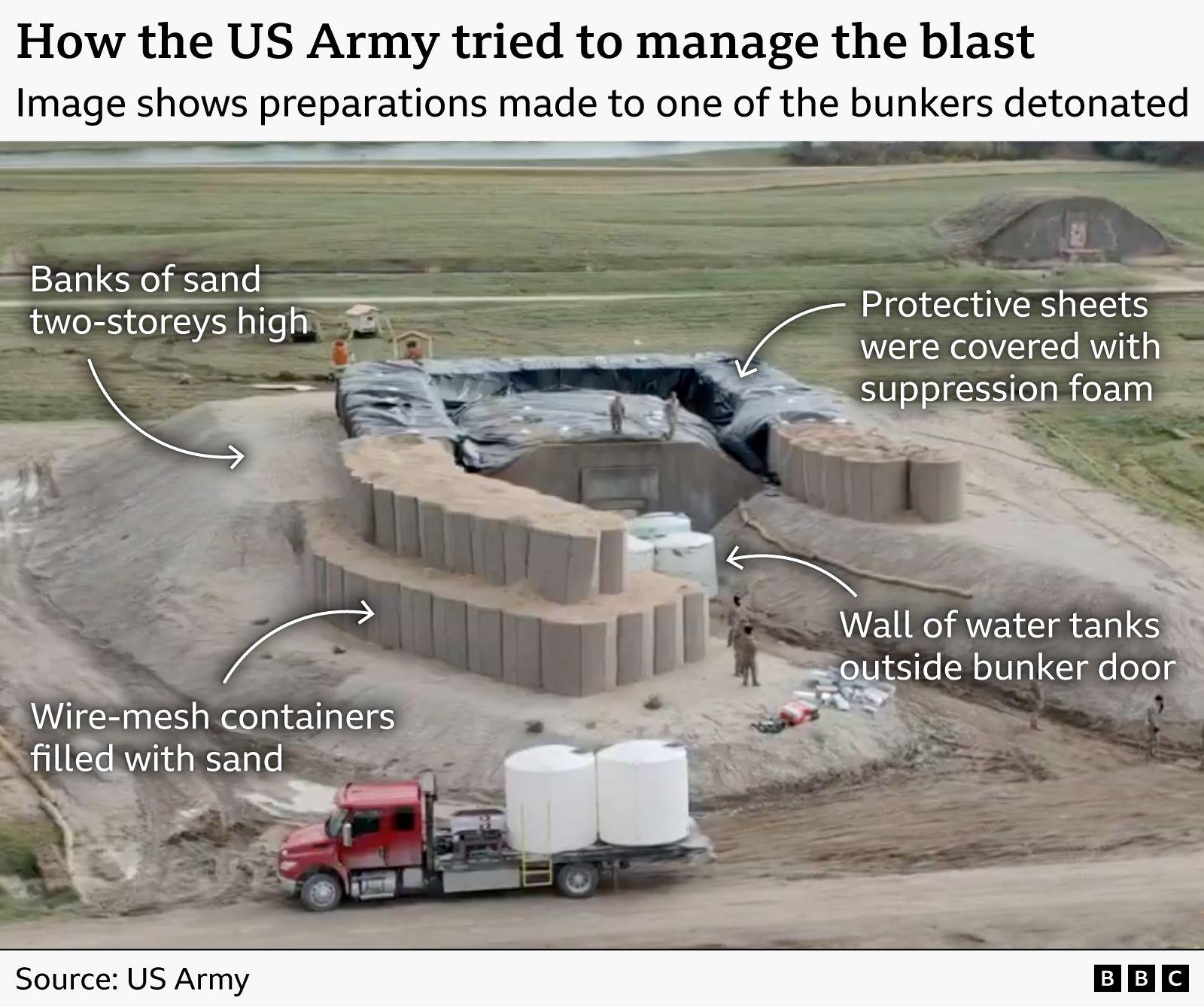
Ahead of the blast, it warned residents of Middletown, Iowa, about “potential exposure to toxic lead dust”. It also created an optional evacuation zone and issued a shelter-in-place advisory ahead of the detonation.
The EPA says no level of lead exposure is considered safe. Lead exposure through inhalation or ingestion can pose serious health risks to humans and animals, particularly children.
The explosives had been in storage for around 20 years and had degraded through a process known as recrystallisation. This made them more susceptible to accidental detonation from friction or other movement.

The Army faced pushback from residents and political leaders alike, and there were legal challenges on environmental and health grounds aimed at preventing the detonation from going ahead.
But on Monday, an appeals court cleared the way for the blast. It said that, while the concerns were valid, the risk posed by a potential uncontrolled explosion was greater.
Days later, the US Army carried out the detonation, which it hailed as a “huge success”.
-
-
Published2 days ago

-
-
-
Published4 days ago

-

Disclaimer : This story is auto aggregated by a computer programme and has not been created or edited by DOWNTHENEWS. Publisher: newsrss.bbc.co.uk