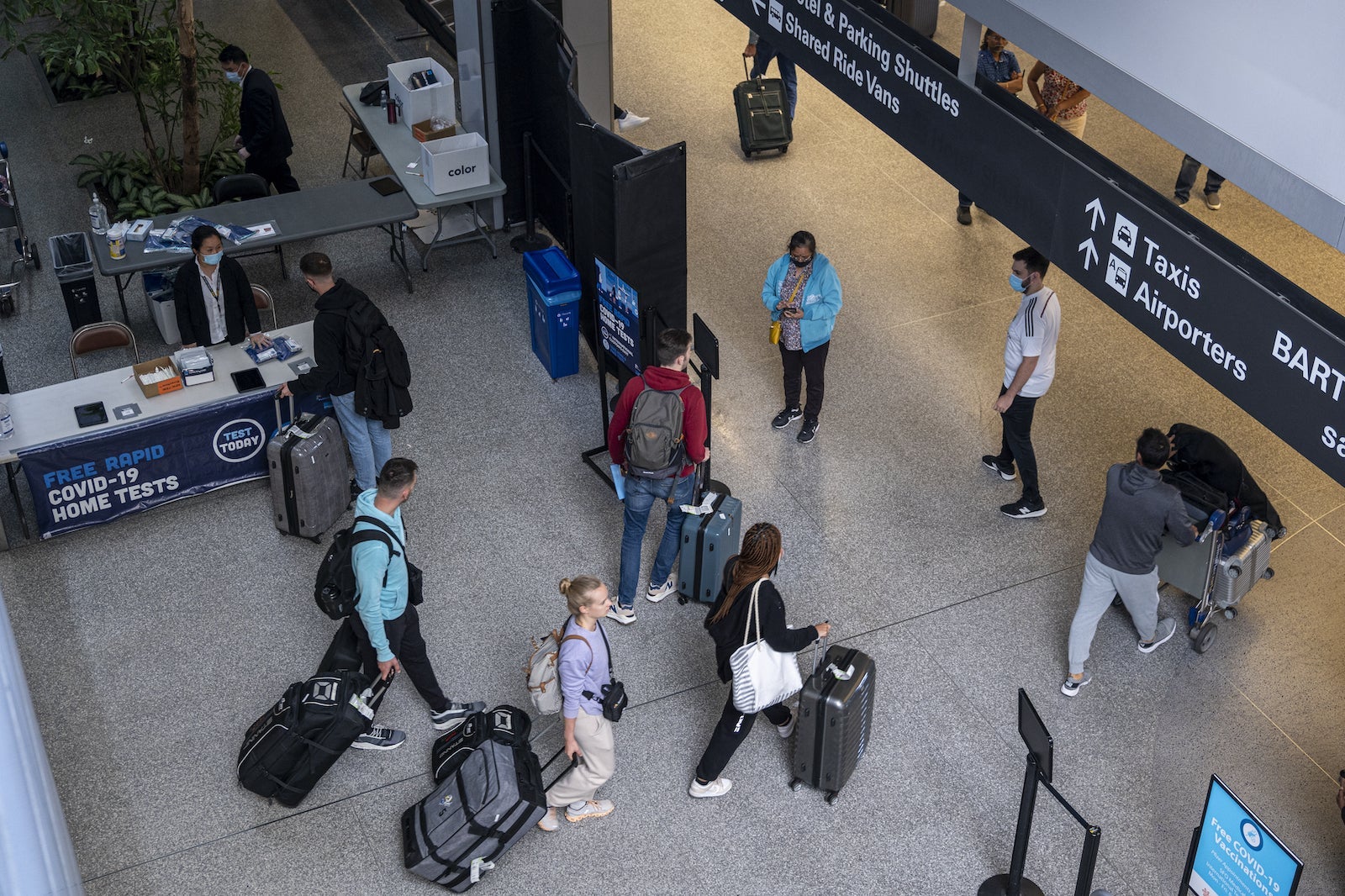
A few weeks ago, I arrived at San Francisco International Airport (SFO) after a long flight from Singapore. I entered the customs hall and followed the Global Entry signs, expecting to check in at one of its traditional blue kiosks.
But before I even reached the kiosks, the officer manning the Global Entry area called out my name and said, “You’re good to go.”
I hadn’t paused to have my photo taken. In fact, I hadn’t even spotted a camera. Yet, I was verified and cleared to pass through passport control — and was in a taxi headed to my hotel three or four minutes later.
What had just happened?
Turns out, this was part of a new Global Entry setup the federal government is currently trialing at a handful of major airports. And you might experience it after your next international flight back to the U.S.
Read more: Global Entry vs. TSA PreCheck, which is right for you?
CBP trials new Global Entry camera tech
U.S. Customs and Border Protection is currently testing new camera capture technology for the Global Entry program, the agency confirmed to TPG this week.
Now live at six major hubs, the setup allows vetted members to pass through immigration without ever stopping at a kiosk or camera. The technology uses mounted cameras to verify who you are while you’re literally walking toward the CBP station.
Here’s how the agency explained the setup to TPG:

Daily Newsletter
Reward your inbox with the TPG Daily newsletter
Join over 700,000 readers for breaking news, in-depth guides and exclusive deals from TPG’s experts
By signing up, you will receive newsletters and promotional content and agree to our Terms of Use and acknowledge the data practices in our Privacy Policy. You may unsubscribe at any time.
“This technology allows travelers to walk through a designated capture zone without stopping at a device, and then briefly speak with a CBP officer before proceeding,” a CBP spokesperson said.
6 major airports have the new Global Entry setup
SFO is one of the airports where camera-capture technology trials are underway.
CBP said testing is also underway at five additional international hubs:
- Boston Logan International Airport (BOS)
- Dallas Fort Worth International Airport (DFW)
- John F. Kennedy International Airport (JFK)
- Philadelphia International Airport (PHL)
- Seattle-Tacoma International Airport (SEA)
It was not immediately clear how long the trials would last.
What it means for travelers
This new setup is essentially a faster, more advanced version of Global Entry that allows you to get verified, in some cases, without having to stop at all.
The debut of this new tech comes in the wake of past upgrades the program has rolled out that have Global Entry well beyond the early days of passenger scanning physical passports and retrieving paper tickets after a flight.
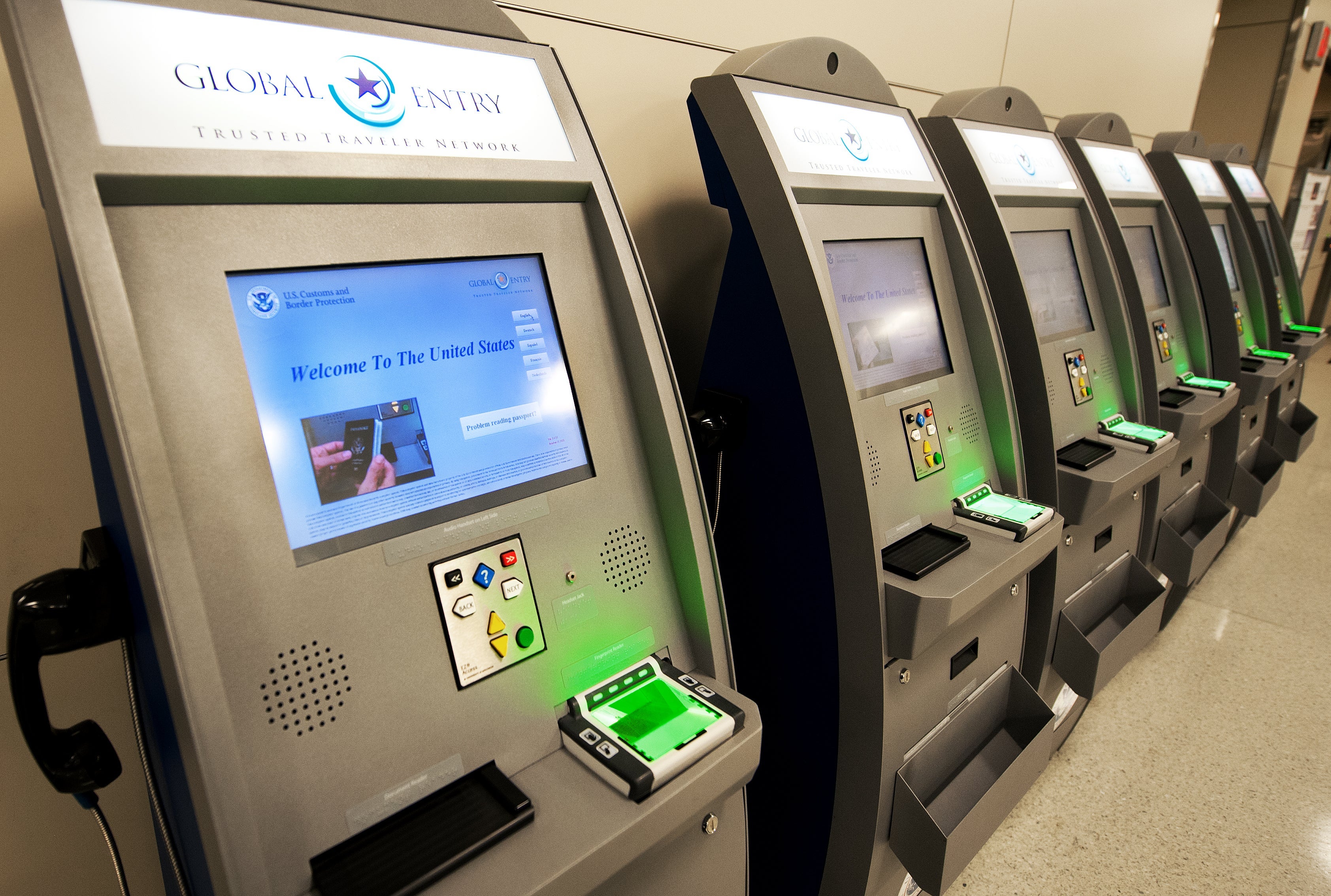
Historically, past technological improvements have kept Global Entry among the best time-savers for frequent travelers, even as membership has swelled.
Privacy concerns?
As always, getting your photo taken — and participating in Global Entry more broadly — is optional for travelers who are uneasy about the camera-capture technology. (The same is true for travelers who would rather not have their photo taken at Transportation Security Administration checkpoints.)
Keep in mind, though, that the Global Entry kiosks have relied on biometric photos for years, comparing photos snapped at the kiosk after a flight to the one members first submitted when they applied to the program.
TPG’s tips: How to get a Global Entry appointment
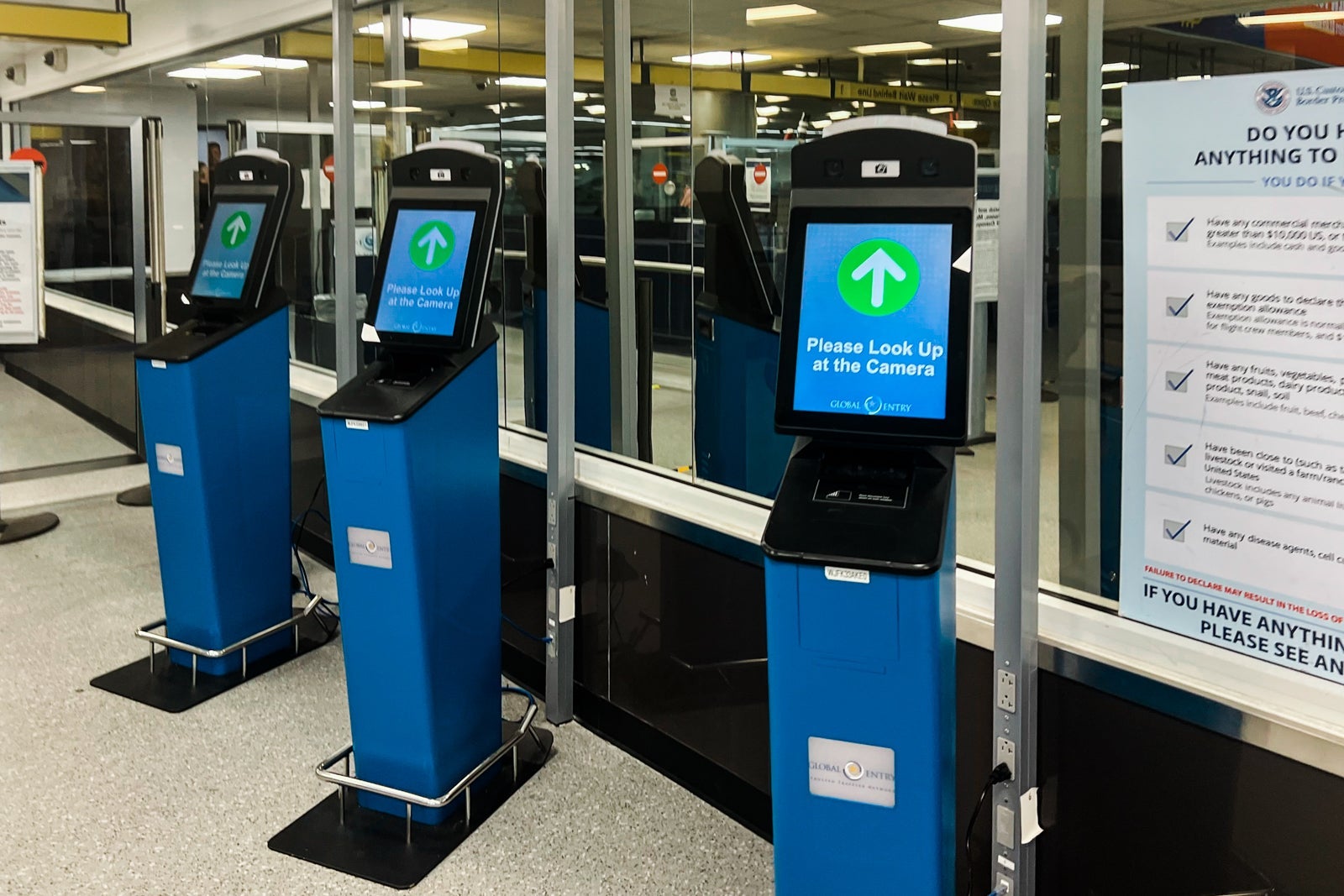
When it comes to this new camera capture pilot program, it appears the only real shift is when your photo gets taken; instead of standing to pose at a kiosk, it happens at some point while you’re approaching passport control (in my experience, you might not even notice it happening).
From CBP’s perspective, the goal is to keep the crowds moving on busy travel days.
In its statement, agency said the pilot program would “enhance travel efficiency while maintaining the highest standards of security.”
Looking ahead
For years, the U.S. Department of Homeland Security has been working on ways to screen travelers while they’re walking, in hopes of reducing the need for passengers to stand in single-file lines — efforts that have spanned multiple presidential administrations.
Depending on how the trials at BOS, DFW, JFK, PHL, SEA and SFO go, I’ll be curious to see whether CBP expands the camera capture Global Entry tech to additional international hubs.
It costs $120 to apply for Global Entry, but the membership lasts five years and includes access to the TSA PreCheck lanes at airport security. Plus, some travel credit cards will reimburse the fee.
Related reading:
Disclaimer : This story is auto aggregated by a computer programme and has not been created or edited by DOWNTHENEWS. Publisher: thepointsguy.com