Elsewhere on the corporate front this morning, Vodafone has reported a 9.7% rise in revenue in its first quarter to €10.3bn.
Service revenue rose 5% in the quarter ended in June, compared with investor expectations of a 4.6% gain. Management now expects that its adjusted earnings will reach somewhere between €13bn to €13.3bn for the full year ending in March.
In recent years, Vodafone has restructured its business – including selling its Italian and Spanish operations and its 50% stake in its Dutch joint venture – as well as merging with Three to create the UK’s largest mobile operator.
Earlier this month the French telecoms billionaire Xavier Niel became Vodafone’s largest shareholder after buying a 16% stake for £4.4bn.
The company has also been fighting allegations, first published in the Guardian, that it “unjustly enriched” itself at the expense of scores of vulnerable small business owners by slashing commissions to franchisees running the mobile phone group’s high street stores.
Yet another company has been picked off London’s stock exchange this morning: DCC Energy has agreed to a £5.75bn takeover by private equity investors KKR and Energy Capital Partners.
Shareholders in the FTSE 100 energy distributor will receive £65.25 per share in cash, a proposed final dividend of 147.22p per share, and a potential payment of up to £1.25 per share if DCC can sell its technology unit for at least $800 million.
The deal represents a 24% premium to DCC’s share price in late April, before it received the consortium’s first bid.
DCC chair Mark Breuer said in a statement:
Whilst the DCC Energy Board remains confident in the energy strategy and associated 2030 Ambition announced in 2022, the Board believes the Consortium’s offer represents a compelling opportunity for shareholders to crystallise value in cash at an attractive premium to DCC Energy’s historical trading price.
We are confident that the Consortium will be strong stewards of DCC Energy’s 50-year heritage and support the business during its next phase of growth.”
It is the latest in a long string of takeovers in London’s stock market – Mitie, Intertek, easyJet, Beazley and Schroders have all agreed to takeovers this year.
The Chinese fast fashion giant Shein reported a $99m (£74.1m) net loss in its first quarter, after the removal of an import duty exemption in the US on small packages triggered a slowdown in sales.
The figures were released as part of the company’s pre-IPO paperwork, as it prepares to list on Hong Kong’s stock exchange.
It showed that the business made a $99m loss in the first quarter of 2026, compared with net income of $395m a year earlier.
The US scrapped its tariff exemption for small packages in May. Shein said in its filing that it was “pursuing a wide range of options, including increasing our prices in the US market to offset a portion of the increased costs”.
The European Union has also this month imposed a €3 fee on low-value e-commerce imports, in a move designed to defend European businesses from what the union calls “unfair competition” from China.
Shein has seen a sharp drop in its valuation in recent years, as the pandemic-era boom in online shopping has ended. The company is now reportedly seeking a valuation of $40bn to $50bn, compared with reports of a potential valuation of $100bn in 2022.
Good morning, and welcome to our rolling coverage of business, the financial markets and the world economy.
Oil prices have fallen more than 5% this morning as the US paused strikes on Iran for the second night in a row, with military officials advising Donald Trump to stop his bombing campaign.
Brent crude, the international benchmark for oil, is now down 5.3% to $91.68 a barrel, after it hit $100 last week.
Trum is believed to be considering diplomatic and military options in the conflict with Iran, while the Israeli leader Benjamin Netanyahu is expected to visit the White House on Tuesday.
Iran said on Sunday that it would pause “retaliatory” attacks against US allies in the region.
Jim Reid, of Deutsche Bank, says that while the pause is not a formal ceasefire, both sides have presented it as “an opportunity for diplomacy”.
US officials, including UN ambassador Mike Waltz, have stressed that all military options remain on the table and that President Trump is simply giving negotiations more space. However, reports from the New York Times and Axios suggest an active debate within the administration over both the effectiveness and costs of further strikes, with some military officials reportedly arguing that key objectives have largely been achieved. For now, the market is treating the lull as a positive development, although the situation remains highly fluid.
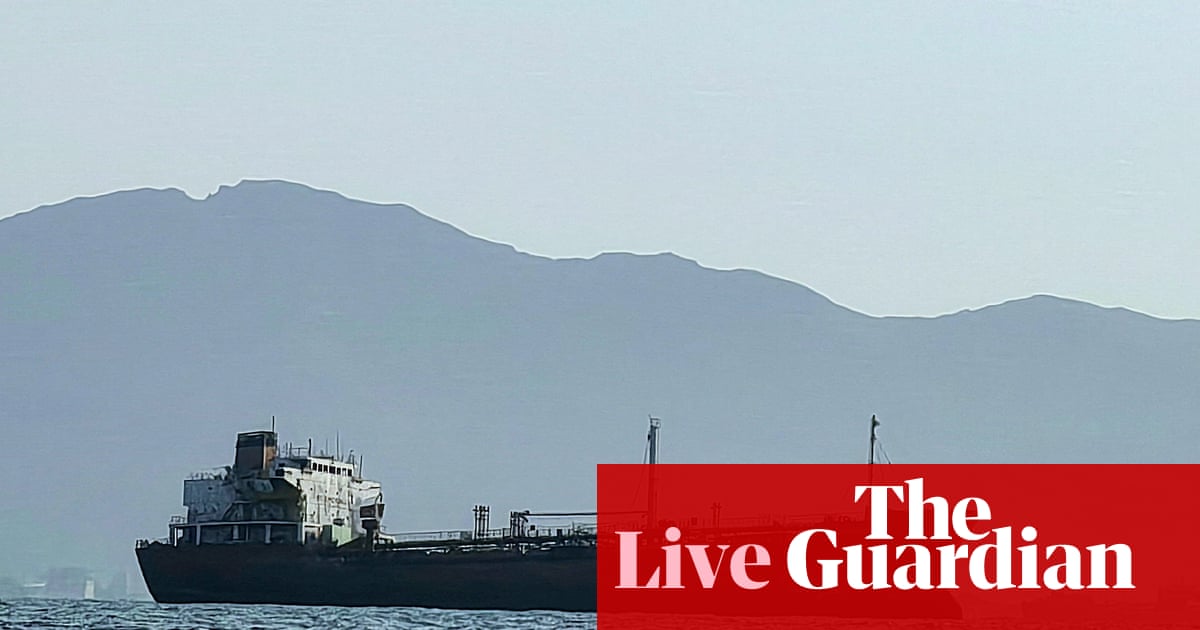
The main market risk remains the energy and shipping front. Traffic through Hormuz remains severely disrupted, while the conflict has broadened into the Red Sea, where Iran-backed Houthi forces reportedly launched missile and drone attacks against Saudi energy infrastructure around Jizan and Yanbu over the weekend, prompting retaliatory Saudi strikes. This raises the prospect of simultaneous disruption to both Gulf and Red Sea export routes. So a welcome pause from the main actors but a fragile one, especially with side battles still ongoing.
Elsewhere this morning, AstraZeneca reported better than expected profits for its second quarter, driven by strong growth in its cancer treatment sales.
Its earnings for the three months ended in June rose 18% to $2.63 (£1.97) a share, while its overall revenue rose by 5% to $15.38bn at constant currency.
The agenda
Disclaimer : This story is auto aggregated by a computer programme and has not been created or edited by DOWNTHENEWS. Publisher: theguardian.com