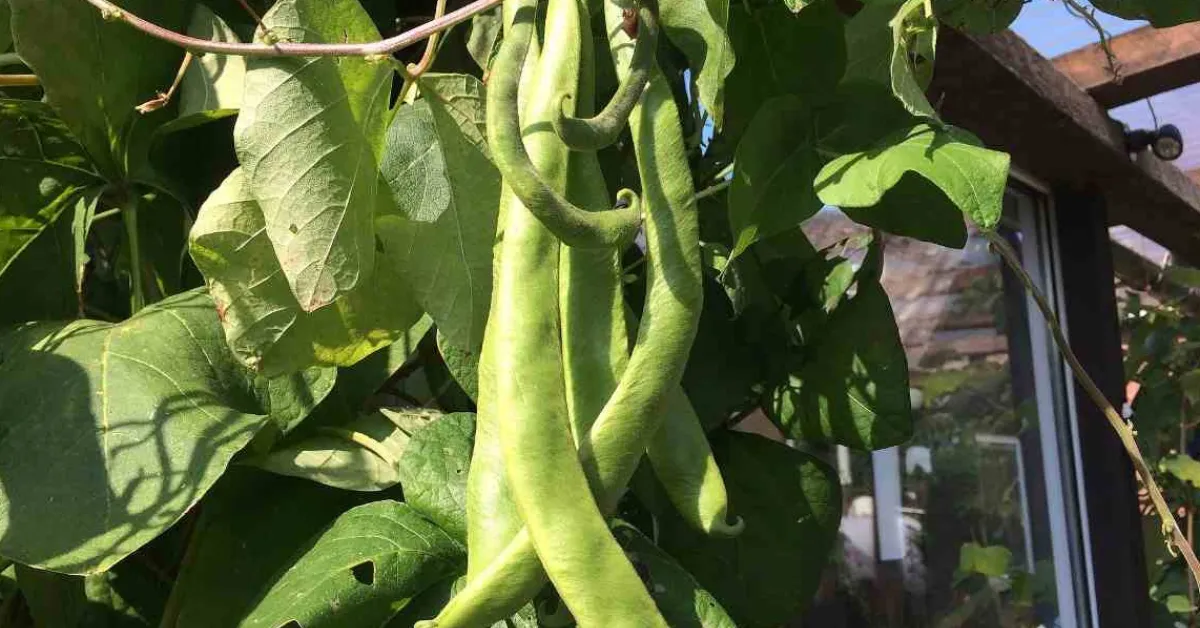
Cluster beans are among the easiest vegetables to grow at home. They do not need a large backyard, expensive equipment, or hours of maintenance. Give them a sunny spot, healthy soil, and regular watering, and they can reward you with a steady harvest throughout the season.
For Vijay Sharma, however, growing cluster beans was not about picking up a new hobby. It began with a simple frustration.
The Bikaner resident and his mother had always enjoyed eating cluster beans, but over time, they became increasingly disappointed with the quality available in local markets.
“The quality of the vegetables in the market is not good,” he says.
In 2017, Vijay decided to grow cluster beans at home.
The results surprised him. The pods were fresher, tastier, and healthier than the ones he had been buying. Encouraged by the harvest, he began growing other vegetables as well. Soon, spinach, okra, chillies, and several other crops were thriving alongside his cluster beans.
Then came the lockdown.
With more time at home, Vijay immersed himself in gardening. He spent hours learning through social media, experimenting with different crops, and finding creative ways to expand his growing space.
Today, his 1,500-square-foot garden is home to more than 150 varieties of vegetables, fruits, and medicinal plants.
Despite growing everything from cauliflower to pomegranates, cluster beans remain one of the vegetables he most often recommends to beginners.
If you are planning to grow them at home, here are some tips that have worked well for him.
1. Choose the right season
Cluster beans thrive in warm and humid weather, making them well-suited to much of India’s growing season, including the monsoon months in many regions.
Vijay advises beginners to start with seasonal vegetables rather than trying to grow plants outside their preferred conditions.
When sown at the right time, cluster bean seeds germinate quickly and establish themselves with little effort.
2. Build healthy soil before planting
Before thinking about fertilisers, Vijay focuses on the soil.
For years, he has used a simple mix of garden soil along with cow dung manure or coco peat. The organic matter helps improve moisture retention while providing nutrients to the growing plant.
Healthy soil gives young plants a strong start and helps reduce problems later in the growing cycle.
3. Use deep containers with good drainage
One of Vijay’s biggest gardening lessons is that plants care far less about how a container looks than gardeners do.
During the lockdown, he repurposed old drums, broken plastic containers, and discarded tyres into planters. When those were not enough, he even experimented with making pots from cement and old towels.
For cluster beans, what matters most is depth and drainage. The roots need enough room to grow, and excess water should be able to drain away easily.
If you have a balcony, a sturdy grow bag or deep container will work perfectly.
/filters:format(webp)/english-betterindia/media/media_files/2026/06/25/cluster-beans-at-home-2026-06-25-16-24-16.png)
4. Water consistently during early growth
Once seedlings emerge, regular watering becomes important.
Vijay now uses a drip irrigation system in his garden, but says a watering can works just as well for smaller home gardens.
The goal is to keep the soil evenly moist without allowing water to collect around the roots.
During the monsoon or periods of high humidity, watering may be needed less often, depending on rainfall and soil moisture levels.
5. Give the plants plenty of sunlight
While cluster beans enjoy humid conditions, they also need adequate sunlight to grow well.
A balcony, terrace, or garden that receives several hours of direct sunlight each day is ideal.
Healthy sunlight encourages flowering, and more flowers eventually mean more pods to harvest.
Plants grown in heavily shaded areas often produce lower yields.
6. Spend a few minutes with your plants every day
One habit Vijay credits for the success of his garden is regular observation.
Each day, he spends a few minutes checking on his plants, removing dried leaves, looking for signs of stress, and carrying out light pruning when required.
“The vegetable plants need occasional trimming. Watering the plants is equally important for their healthy growth,” he says.
These simple tasks take very little time but can help prevent small issues from becoming larger problems.
7. Harvest young pods for the best flavour
The final step is often the most rewarding.
Cluster beans taste best when harvested while the pods are still young and tender. Regular harvesting not only improves flavour but also encourages the plant to continue producing new pods.
A healthy plant can provide a steady harvest for weeks, making it a reliable addition to the kitchen garden.
For Vijay, every harvest is a reminder of how much can grow from a handful of seeds.
/filters:format(webp)/english-betterindia/media/media_files/2026/06/25/cluster-beans-at-home-2026-06-25-16-43-33.png)
What started as an attempt to enjoy better-quality cluster beans ended up transforming far more than the family’s meals. Today, gardening provides fresh produce, reduces dependence on market vegetables, and brings a sense of calm to his daily life.
And it all began with a vegetable that he and his mother simply wanted to enjoy again.
Disclaimer : This story is auto aggregated by a computer programme and has not been created or edited by DOWNTHENEWS. Publisher: thebetterindia.com