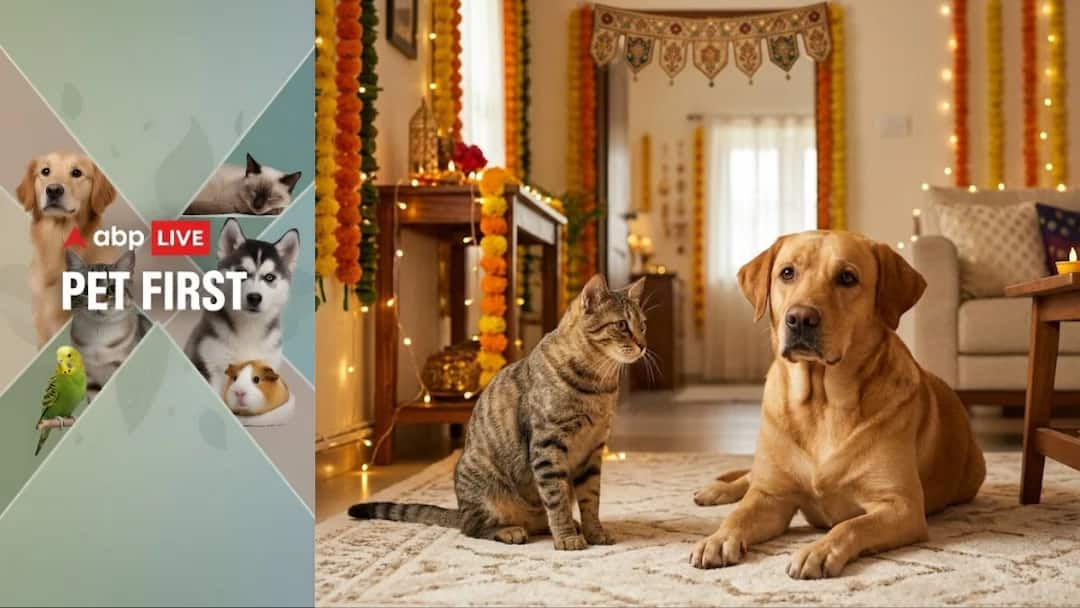
- Secure electrical wires, choose shatterproof, non-toxic festive decor.
- Use flameless candles; avoid toxic plants like lilies.
- Opt for pet-safe rangoli; provide a calm, designated retreat.
Festive decorations bring warmth, colour and joy into our homes, but for curious pets, they can also introduce avoidable hazards. As a veterinarian, one often comes across emergencies that could have been averted with a few simple precautions. As pet parents it is important to understand that pets are especially vulnerable because they explore with their mouths and paws. The goal is not to avoid decorating, but to decorate thoughtfully.
ALSO READ: Pet First | 7 Essential Health Tests Every Dog And Cat Parent Should Know
1. Secure Electrical Wires And Lights
Decorative lights and electrical wires are among the most dangerous festive items for pets. Chewing a live cable can cause painful mouth burns, electric shock, breathing difficulty and, in severe cases, life-threatening injury.
Some easy alternatives can be the use of cord protectors; cable covers or conduit to shield accessible wires. Ensure to switch off and unplug decorative lights when pets are unsupervised or when the family is asleep. It is always better to choose battery-operated LED lights where possible, as they reduce both electrical and fire risks.
If your pet chews a wire or receives an electric shock, do not touch them until the power is switched off. Contact an emergency veterinarian immediately, even if they appear normal initially.
2. Choose Sturdier, Pet-Safe Décor
Fragile glass baubles, sharp metallic accents, small bells and loosely attached ornaments can break or be swallowed. Ingested decorations may cause choking, intestinal blockage or internal injury.
When decorating with a pet at home be mindful to use shatterproof ornaments made of fabric, wood, felt, jute or non-toxic plastic. Avoid glitter, sequins, tinsel and small detachable parts, which can be tempting to chew. Place delicate or breakable décor on high shelves, inside closed cabinets or in rooms pets cannot access.
3. Keep Diyas And Candles Out Of Reach
Open flames pose a dual risk: pets can burn their paws, whiskers, ears or fur, and they may knock over a diya or candle, risking burns to people and damage to curtains, bedding or furniture.
It is advisable to use LED flameless diyas and candles for everyday festive ambience. Never leave a lit diya, candle or incense stick unattended. Ensure incense smoke does not fill a closed room, as it can irritate pets’ eyes and respiratory passages. Battery-operated alternatives allow families to retain the festive look without exposing pets to burns or fire hazards.
4. Be Careful With Flowers And Garlands
Flowers and garlands may look harmless, but several festive plants can cause digestive irritation or serious toxicity. Lilies deserve most caution, for cats, every part of many true lilies including petals, leaves, stems, pollen and even vase water can cause severe kidney injury, and even a small exposure can become an emergency.
Marigolds, while commonly used in Indian celebrations, may cause gastrointestinal irritation such as vomiting or diarrhoea in dogs if swallowed. Other seasonal plants and floral arrangements should also be kept away from pets unless confirmed safe.
Always choose pet-safe flowers such as roses, orchids, sunflowers or pet-safe artificial arrangements. It is better to use dried flowers, fabric garlands, paper marigolds or reusable decorative torans instead of fresh floral strings.
ALSO READ: Pet First | How To Tell If Your Dog Has An Ear Infection: 5 Signs To Look For
5. Prevent Access To Rangoli Powders And Glitter
Coloured rangoli powders, glitter, shimmer sprays and decorative grains can irritate a pet’s eyes, nose, skin and stomach. Pets may lick powders from the floor, inhale fine particles while sniffing, or transfer material from their paws to their mouth during grooming.
Use pet-safe, non-toxic rangoli materials such as rice flour, plain flour, lentils or other alternative, provided your pet does not eat large quantities. Avoid glitter, metallic powders and chemical-based colours. Create rangoli in areas pets cannot access, such as an entryway gated off from the main living space. If powder gets into your pet’s eyes, flush gently with clean water and seek veterinary advice if redness, squinting, discharge or discomfort continues.
6. Create A Designated Pet-Friendly Space
Festivities often mean more noise, visitors and disrupted routines. A quiet, familiar space can reduce stress and keep pets away from hazardous décor.
Set up a corner with their bed, blanket or crate, fresh water and regular food and a few familiar toys to keep them engaged. Try to arrange a set-up with low lighting and reduced noise where possible. For anxious pets, begin using this space before the main celebration days so it feels like a safe retreat rather than a punishment.
A festive home can be beautiful and pet-safe at the same time. With secure lighting, sturdy décor, flameless alternatives, careful plant choices and a designated calm space, families can celebrate fully while keeping their pets comfortable, protected and included.
[Disclaimer: The information provided in this article is intended for general informational purposes only. It is not a substitute for professional veterinary advice, diagnosis, or treatment. Always consult a qualified veterinarian regarding your pet’s health, diet, or any medical concerns.]
Disclaimer : This story is auto aggregated by a computer programme and has not been created or edited by DOWNTHENEWS. Publisher: abplive.com