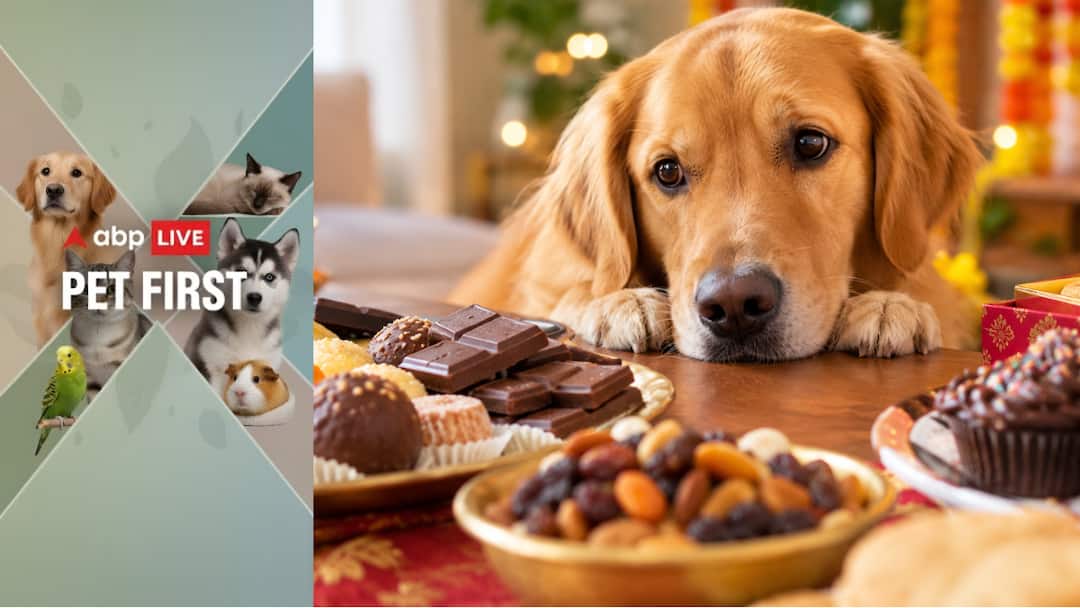
Festivals often mean a house full of mithai, chocolates, cakes and other tempting treats. And if your dog sits beside you with those irresistible eyes while you enjoy a sweet, it can be difficult to say no. But before sharing that bite, pause for a moment. Many sweets and festive foods made for humans are not suitable for dogs, and some can even contain ingredients that are dangerous for them. Here are four important reasons why your pet should not be given festive sweets.
1. Chocolate Can Be Dangerous For Dogs
That piece of chocolate may look like a harmless festive treat, but it can be dangerous for your dog. Chocolate contains theobromine, a substance that dogs cannot process as efficiently as humans. Consumption can cause problems ranging from vomiting and diarrhoea to more serious symptoms, including tremors and seizures. The risk can be greater with darker chocolate because it contains higher concentrations of theobromine.
2. Sugar-Free Sweets Can Hide A Bigger Risk
The words “sugar-free” may sound like a healthier option, but they can be a major warning sign for dog owners. Some sugar-free sweets, candies, chewing gums and baked products contain xylitol, an artificial sweetener that is highly toxic to dogs. Xylitol can cause a rapid drop in a dog’s blood sugar and may also lead to liver damage. Signs of poisoning can develop quickly, making suspected ingestion a veterinary emergency.
3. Raisins, Dried Fruits Are Not A Safe Festive Treat
Festive desserts and traditional sweets may contain raisins or other dried fruits, but that does not make them suitable for your pet. Grapes and raisins can be dangerous for dogs and have been associated with serious kidney problems. The problem is that these ingredients can easily go unnoticed in cakes, desserts and homemade festive dishes. If you are unsure about what a sweet contains, don’t share it with your dog.
4. Rich And Sugary Foods Can Upset Your Dog’s Stomach
Not every problem comes from a toxic ingredient. Festive sweets are often rich, sugary and high in fat, making them unsuitable for regular consumption by dogs. Such foods can cause digestive problems, while high-fat treats can also contribute to more serious issues in some dogs.
ALSO READ: Pet First | 6 Strange Things Dogs Do That Are Actually Completely Normal
What Can You Give Your Dog Instead?
Your pet does not have to miss out on the festive fun. Instead of sharing human sweets, offer a treat specifically made for dogs and appropriate for your pet’s diet. Keeping dog-friendly treats ready can also make it easier to resist those begging eyes when the festive dessert arrives.
Most importantly, keep boxes of sweets, chocolate, candy and food containing potentially harmful ingredients well out of your dog’s reach. If you suspect that your pet has eaten chocolate, xylitol or another potentially dangerous food, contact a veterinarian or emergency veterinary service promptly rather than waiting for symptoms to appear.
[Disclaimer: The information provided in this article is intended for general informational purposes only. It is not a substitute for professional veterinary advice, diagnosis, or treatment. Always consult a qualified veterinarian regarding your pet’s health, diet, or any medical concerns.]
Disclaimer : This story is auto aggregated by a computer programme and has not been created or edited by DOWNTHENEWS. Publisher: abplive.com