
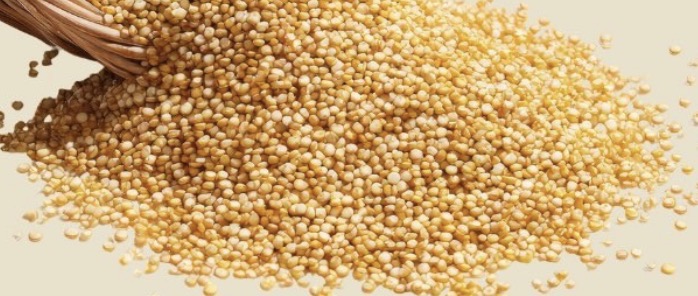
Millets marketed as whole grain, high in dietary fibre and diabetes-friendly may not always retain these nutritional benefits when polished, researchers said in a viewpoint published in the Indian Journal of Medical Research.
The authors Chellapilla Tara Satyavathi of ICAR-Indian Institute of Millets Research (ICAR-IIMR), Hyderabad; Bharati Kulkarni of ICMR-National Institute of Nutrition (ICMR-NIN), Hyderabad; Shanmugam Shobana and Ranjit Mohan Anjana of Madras Diabetes Research Foundation (MDRF), Chennai; and Viswanathan Mohan of MDRF said India should apply lessons from polished white rice before polished millets become more common.
A survey by MDRF found barnyard, little, kodo, foxtail and proso millets commonly available in polished forms despite being marketed with whole-grain and health claims. Polishing removes the bran, aleurone layer and part of the germ, reducing protein, fat, fibre and mineral content while leaving more starchy endosperm.
ICMR-NIN scientist T Samyuktha told Deccan Chronicle that consumers can often identify whether millets are polished or unpolished. “Individuals who eat millets must know to differentiate them through colour. Most of them do. Some also identify them through texture, while soaking them in water can help assess the quality,” she said.
The researchers cited evidence from rice showing that brown rice can produce lower post-meal glucose and insulin responses than white rice. They cautioned that the same nutritional advantage could be reduced if millets undergo extensive polishing.
City dietitian Priyadarsini Kadiyala said she recommends unpolished millets, including for children. “We recommend unpolished millets to many, including children, so they get the required nutrients from childhood and develop the habit for the future,” she said. She added that they can also be useful for young women, particularly amid rising concerns around PCOD, due to their fibre content and glycaemic characteristics.
The study also cautioned that whole grain does not automatically mean low glycaemic index (GI). MDRF studies found high GI in preparations including finger millet flakes, cooked unpolished foxtail millet, little millet, finger millet balls, sorghum and pearl millet roti, while sorghum idli had a medium GI. Processing, particle size, cooking method, starch and fibre type and the form in which the millet is consumed can affect the response.
The experts said manufacturers and packaging companies should provide accurate information on whether millets are polished or unpolished. The researchers also called for better processing, storage, packaging and recipe development to make unpolished millets more convenient without reducing their nutritional quality.
Polished millets are generally whiter, softer, quicker to cook and have a longer shelf life, while unpolished varieties can have issues with taste, texture, cooking time and storage.
Disclaimer : This story is auto aggregated by a computer programme and has not been created or edited by DOWNTHENEWS. Publisher: deccanchronicle.com




