
Not all protein is created equally.
Sponsored by a2 Milk®
Katie Cunningham
Australia is in the grips of protein mania. Stroll down the aisles of any supermarket today and you’ll be bombarded by protein-boosted versions of everything from frozen pizza to peanut butter. There are protein chips. Protein chocolate. Protein ice cream. Protein meat pies. There are even multiple brands of protein water on the market. And then there’s the type of protein itself, with different protein sources containing different protein types.
But while these products might present themselves as a health-conscious option, there’s a lot more to consider than the numbers on the nutritional panel, says nutritionist, dietitian and health coach Jess Burvill. On her Instagram page, Burvill regularly posts about how “protein marketing”, as she calls it, can tempt shoppers into buying ultra-processed foods disguised as healthy options.
“You’ve got to turn the package over and have a look at, okay, great, it’s got 20 or 30 grams of protein. But what type of protein is that, and what else is in this food along with that protein?” Burvill points out. “And if I eat this, am I potentially missing out on other nutrients by choosing that as my source of protein?”
Looking at milk as an example, the number of grams of protein on a nutrition panel is only part of the picture. Cow’s milk naturally contains two main proteins, whey and beta-casein, but not all beta-casein proteins are the same. Some ordinary cow’s milk naturally contains both A1 and A2-type beta-casein proteins, while others, like a2 Milk®, naturally contains only A2-type beta-casein protein.
Drawn in by the hype? Look closer
The best recipes from Australia’s leading chefs straight to your inbox.
There are, of course, important reasons to get enough protein in our diet. Protein supplies amino acids, the building blocks our body uses to help grow and repair muscle, bone, skin, hair and organs. It can also help us feel fuller for longer, which may help with weight management.
But Burvill says that it’s important to think about where that protein is coming from in addition to the quantity it offers. She believes the current cultural fixation on protein can encourage consumers to focus on the number of grams of protein they’re eating, rather than taking a step back and considering the bigger picture of what else is in that food.
“If people are focusing too much on getting more of their protein from highly processed foods, that could have a detrimental effect on the overall quality of their diet,” she says.
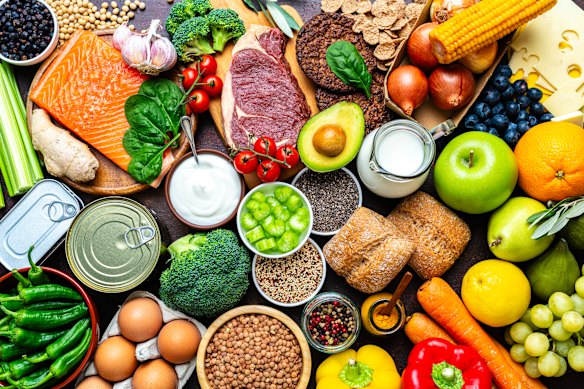
The healthiest way to get more protein into your diet, Burvill says, is through eating whole foods naturally rich in protein, like meat, fish, eggs, legumes and dairy. That’s partly because of what else those foods do and don’t contain.
With red meat, for instance, you’re getting iron and zinc as well as protein. Fish offers omega 3 fatty acids. Eggs have choline. Legumes are full of fibre. And dairy products like milk have that all-important calcium, plus phosphorus and B vitamins. So, with those foods, “you’re not just getting protein”, Burvill asserts, but also a whole raft of other good stuff.
By contrast, ultra-processed protein foods may not always offer the same range of nutrients found in some whole-food protein sources and may contain higher levels of sugar, salt and artificial additives.
Different foods can provide different types of protein and amino acid profiles. Some foods naturally contain all nine essential amino acids, making them what is known as ‘complete’ protein sources. Whole foods like meat, fish and milk contain all nine essential amino acids our body needs but cannot produce naturally.
Simple swaps for everyday nutrition
That’s where simple swaps can come in. One example is opting for cow’s milk in your morning coffee. A standard latte or flat white contains around 240ml of milk, providing approximately 8g of protein along with calcium and other key nutrients.
Adding milk to dishes where you might normally use water or cream (think pasta, soups or porridge), can be another simple way to add protein and other nutrients without compromising on taste. Not to mention you probably already have that milk in your fridge, ready to go, without needing to add another item to your grocery cart.
Thanks to a2 Milk, more Australians can enjoy the nutritional benefits of dairy milk, without the A1 protein that may cause digestive discomfort for some people. Learn more about a2 Milk.
From our partners
Disclaimer : This story is auto aggregated by a computer programme and has not been created or edited by DOWNTHENEWS. Publisher: www.smh.com.au



