On match days, Peadar Browns pub in Dublin’s historic Liberties area is usually jam-packed with football fans piling in to watch the game on various screens.
As kickoff approached in the Republic of Ireland’s Nations League game against Israel on Sunday, there was a similarly busy crowd.
With one significant difference, though: none of the televisions were on.
The pub has made a deliberate decision not to show the game tonight in protest against Israel’s genocidal war in Gaza.
“We committed about a month ago not to show any of the upcoming Nations League fixtures until Ireland made a stand against Israel,” says owner Aidan Brown. “We didn’t show the Kosovo game, and we’ve absolutely no intention of showing the Israel games.”
Brown has been compiling a list of venues refusing to screen the match. At his last count, it included 140 pubs and bars in Ireland and abroad. He expected the number had risen before kickoff as tumultuous events within the Ireland team reverberated around the country.
Ireland, a staunch and long-standing ally of the Palestinian cause, has been thrust into the global spotlight over whether the team will play the two scheduled games against Israel.
Brown compares the atmosphere in Dublin to one of the most enduring sporting dramas in modern Irish history.
“I think this is just as big as Saipan and the Roy Keane saga in 2002,” he says.
Saipan became a national drama when Ireland captain Roy Keane left the 2002 World Cup squad in Japan after a confrontation with manager Mick McCarthy over training facilities.
Advertisement
This time the public debate across the island of Ireland is not about football standards, but moral ones.
In Derry, Northern Ireland, Liam Doherty, another pub owner refusing to show the game, describes a similar sense of mobilisation.
“It has to come from the bottom up, and it has to come from a small nation,” says the owner of the Delacroix bar. “I think that we have to be the one that shows that this is just wrong.”
Rebecca O’Keeffe, chair of Irish Sport for Palestine, which has led the Stop the Game campaign, says the past week has shown just how far that mobilisation has spread.
“It’s a mass movement,” she says. “It’s reached corners of Ireland that maybe wouldn’t have been engaged with this issue before. It’s all people can talk about. We are past the point of symbolic gestures and hollow words.”
It’s not unanimous, but Irish public opinion is clearly against tonight’s fixture taking place.
A poll of Irish football supporters found 76 percent opposed to the match going ahead. Among athletes, 63 percent of members of the Professional Footballers’ Association of Ireland voted against playing the game.
But that groundswell of public sentiment has been ignored by those in charge of the sport in the country, the Football Association of Ireland (FAI).
In November, 93 percent of FAI members voted for the association to seek Israel’s suspension from UEFA competitions.
Yet when the FAI voted in July on whether the Republic of Ireland should play Israel, it chose to proceed with the fixtures. The motion passed 75 votes to 32, with three abstentions. The FAI cited the consequences non-fulfillment could have for Irish football, such as potential points deductions.
Daniel Lambert, the Bohemian FC chief commercial officer who helped propose the original November motion, says the sequence explains much of the anger towards the FAI.
“It’s been mishandled from the very first day by the FAI,” he says. “The November vote was a very clear instruction from the membership, but they never really entertained not playing the games.”
Lambert argues that the FAI also failed to recognise what it could have gained by taking a stand.
“There are huge benefits to not playing,” he says. “Not only would it have the support of the Irish people … this would have enhanced the FAI’s reputation, not damaged it.”
Susan Shalabi, vice president of the Palestinian Football Association, believes the buck stops even higher up.
“The deeper issue is that the FAI and many others should never have been placed in this position,” she told Al Jazeera. “Had football’s international governing bodies [FIFA and UEFA] consistently applied their own rules, this dilemma would not exist.”
Advertisement
Bazunu’s ‘staggering courage’
Instead, the decision has been left not with the governing bodies, but with the Irish players themselves.
Earlier this week, more than 160 Irish sportspeople signed an open letter calling on the squad to boycott the fixtures. Team coach Heimir Hallgrimsson said some players were “really uncomfortable” playing, while midfielder Jason Knight said the games should not be happening.
Then, on Saturday, the fault line inside the squad became public.
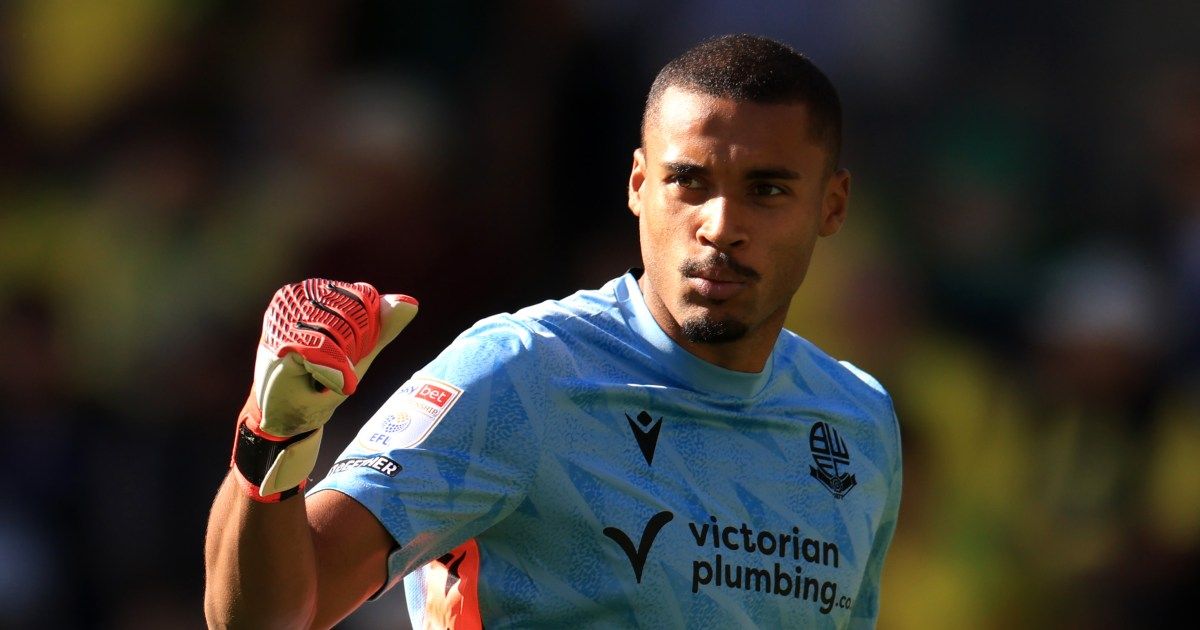
Goalkeeper Gavin Bazunu told his teammates he did not want to play. The players subsequently voted to fulfil the fixture, with reports suggesting eight had voted against playing. Bazunu was the only one who ultimately refused.
Lambert says Bazunu’s decision to stand alone was extraordinary.
“To do that on your own in a group of 25 players is staggering courage,” he says. “He’s represented Ireland more than those 24 players ever will. He has the respect of the Irish people forever.”
Amid the turmoil inside the Ireland camp, there have also been reports of players facing pressure from agents over the potential consequences of refusing to play, including concerns about their future careers.
Lambert, who is also the manager of hip-hop trio Kneecap, sees a parallel with what has happened in Irish music. When Irish-American rapper Macklemore was removed from Ed Sheeran’s US tour after speaking out for Palestine, the other supporting acts — including Irish artists Aaron Rowe and Beoga — subsequently withdrew in solidarity.
“We’ve seen a real watershed moment in music,” Lambert says. “I think this still has the potential to be one of those moments in sport.”
Next week, the Republic of Ireland has another Nations League game scheduled against Israel. Before then, they face Austria in Dublin, where the players will have to confront an angry home crowd. The pressure to boycott the second Israel game is only set to intensify.
Back at Peadar Browns, the televisions will stay off. Owner Aidan Brown sums up the sentiment of the country when he explains why.
“The points are just not important at all,” he says. “Football is just football. Sadly, it just doesn’t mean that much when a genocide is going on.”
Disclaimer : This story is auto aggregated by a computer programme and has not been created or edited by DOWNTHENEWS. Publisher: aljazeera.com