When high temperatures hit in the summer months neighbourhoods with more trees are far more bearable than those with less shade and more concrete. So which are the best cities in Germany for keeping cool?
Germany is currently in the grips of the first major heatwave of the summer and, as of yet, there is no end to the sweltering weather in sight.
Human caused climate change is making heatwaves more severe and more frequent, and Europe in particular is said to be warming faster than the rest of the world.
Making matters worse, for city-dwellers, is the so-called ‘heat island’ effect, which basically describes how heat is amplified in areas with lots of concrete and few trees.
The net result is that extreme heat in Germany’s urban areas is becoming both more common and more dangerous.
The environmental aid organisation, Deutsche Umwelthilfe (DUH), ranks Germany’s cities for ‘heat preparedness’ each year based on how much of each city’s landscape is covered in trees versus how much is sealed concrete – as well as a ‘heat vulnerability’ score which factors in average summer surface temperatures and population density.
DUH’s “Heat Check” report is intended to be a wake-up call to German leaders, illustrating how ill-prepared many of the country’s cities are for the reality of summer weather in a warming world. But it also provides a good hint as to which cities tend to be the coolest during the summer’s hottest days.
So with that in mind – and just in case you were looking for a cooler city to visit – here are Germany’s best cities to be in during a heatwave:
The best prepared cities for extreme heat
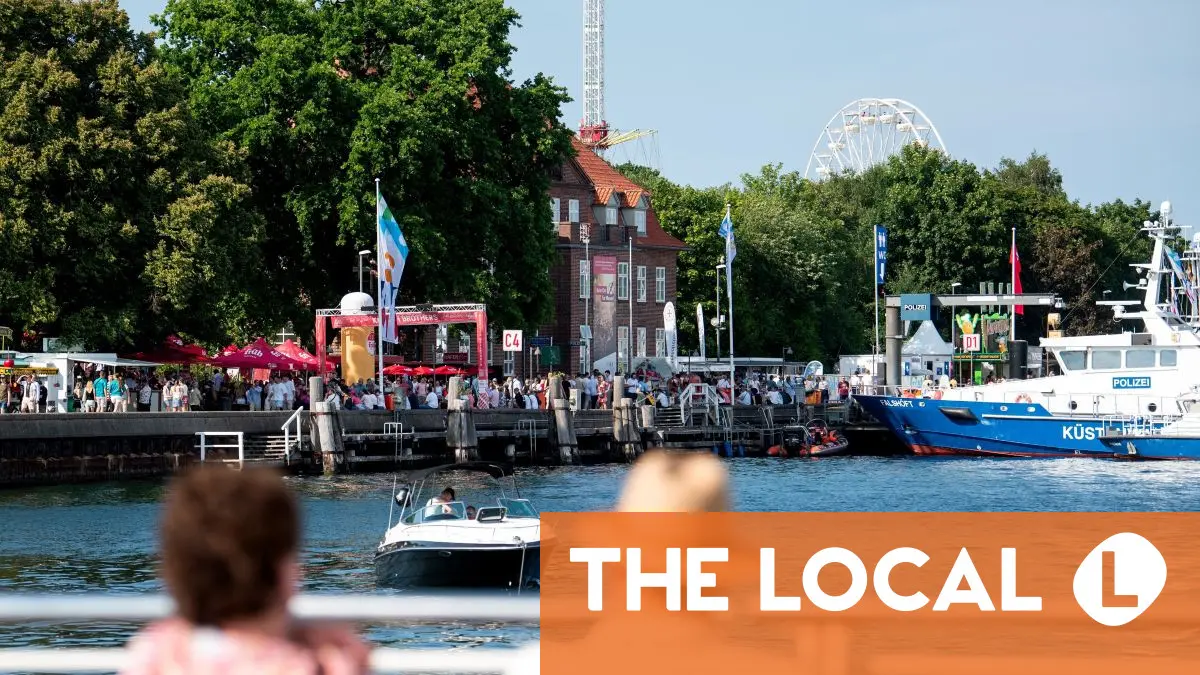
The northern, and coastal, city of Kiel is Germany’s best prepared urban centre for rising temperatures.
Along with other cities from the northern state of Schleswig Hostein, like Elmshorn and Flensburg, one major advantage Kiel has going for it is it’s coastal locale, which ensures that it sees less extreme summer temperatures in general.
But on top of that, the port city on the Baltic gets high scores by DUH for its tree cover and efforts to make positive adaptation efforts.
After Kiel, comes the North Rhine Westphalian city of Wuppertal, which has jumped a few places on DUH’s ranking since last year.
According to DUH’s 2026 Heat Check, the ten German cities best prepared for extreme heat are:
- Kiel
- Wuppertal
- Potsdam
- Oldenburg
- Berlin
- Hamburg
- Solingen
- Elmshorn
- Hattingen
- Bochum
DUH notes that only seven of Germany’s 195 cities with more than 50,000 people currently meet the scientifically recommended minimum of 30 percent tree canopy cover: Hamburg, Berlin, Oldenburg, Potsdam, Solingen, Kiel and Wuppertal.
Germany’s hottest and least prepared cities
The south-western cities of Offenburg, Lahr and Mannheim are least prepared to deal with extreme temperatures, according to DUH’s analysis.
Cities in the southern and western states of Baden-Württemberg and Rhineland Palatinate – also the regions where the highest temperatures are expected this week – take most of the last place positions here.
Cities near the bottom of the ranking are marked primarily by little tree cover. For example, Offenburg and Lahr offer abysmal tree canopy cover of just 12.78 percent and 13.97 percent respectively.
Mannheim, which was ranked as Germany’s worst prepared city for heat in 2025, has moved up to third from bottom this year, but still suffers from a high heat vulnerability index.
The ten German cities least prepared for heat are:
- Offenburg
- Lahr
- Mannheim
- Lugwigshafen am Rhein
- Rastatt
- Worms
- Aalen
- Neu-Ulm
- Dormagen
- Heilbronn
A couple of cities that have made notable improvements since last year were Rüsselsheim am Main and Frankfurt am Main, which have both managed to rise out of the bottom ten spots thanks largely to increased tree canopy cover.
In Bavaria, Neu-Ulm is the worst-prepared city, followed by Fürth and Nürnberg.
READ ALSO: 8 of the coolest places in Germany to visit on hot summer days
Disclaimer : This story is auto aggregated by a computer programme and has not been created or edited by DOWNTHENEWS. Publisher: thelocal.de