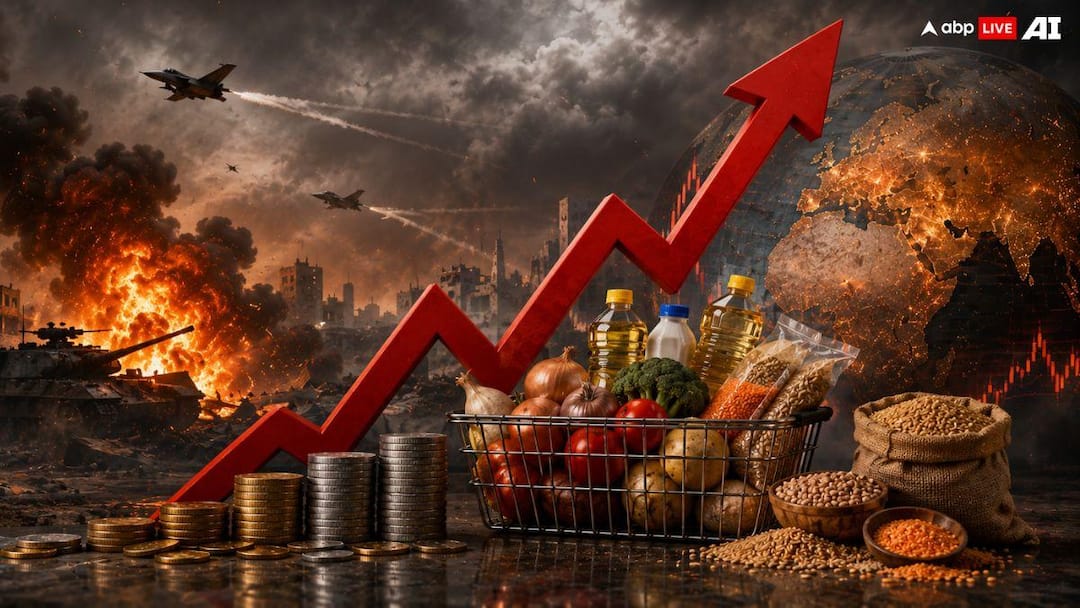
- RBI hiked repo rate, forecasting FY27 inflation 5.2%.
- Weak monsoon, El Niño, energy prices heighten inflation risks.
- Inflation projected to peak 6.0% in Q3 FY27.
The Reserve Bank of India (RBI) has raised its FY27 consumer price inflation (CPI) forecast to 5.2%, with Governor Sanjay Malhotra warning that price pressures are becoming more visible across a wider range of commodities.
The inflation outlook was released alongside the October Monetary Policy Committee’s decision to raise the repo rate by 25 basis points to 5.50%. The RBI’s latest assessment points to a more difficult price environment, with weak monsoon conditions, El Niño and elevated energy and commodity prices adding to the risks.
The central bank expects inflation to remain particularly firm through the latter part of the financial year.
RBI MPC October 2026: Inflation Forecast For FY27
The RBI now projects CPI inflation at 5.2% for FY27, with the quarterly trajectory as follows:
Q2 FY27: 4.9%
Q3 FY27: 6.0%
Q4 FY27: 5.7%
For Q1 FY28, inflation is projected at 5.6%, with risks to the outlook assessed as evenly balanced.
Core inflation, meanwhile, is projected at 4.4% for FY27.
The latest forecast comes as the RBI sees inflationary pressures broadening beyond a few food items, making the trajectory more closely watched by policymakers.
Also Read : RBI MPC October 2026: Why RBI Raised FY27 GDP Forecast To 7.1% Despite Rate Hike
RBI Governor Sanjay Malhotra: Inflation Outlook No Longer Benign
Explaining the MPC’s assessment, Governor Sanjay Malhotra said the latest data showed a clear change in the inflation environment compared with last year.
“It is clear that inflation and its outlook are not benign as they were last year,” Malhotra said.
He added that headline CPI inflation is expected to average almost 5.8% over the next three quarters, while core inflation is projected at 4.4% for FY27.
Malhotra also said the global environment remains challenging because of geopolitical developments. At the same time, he maintained that India’s economic momentum remains broad-based and the economy is expected to remain resilient.
CPI Inflation Rose To 4.8% In August
The RBI’s more cautious inflation assessment follows a rise in headline CPI inflation.
Retail inflation increased to 4.8% in August 2026 from 4.5% in July, with much of the increase driven by higher food and fuel inflation. However, the central bank also noted that core inflation has picked up, suggesting that price pressures are becoming less concentrated.
Food inflation has become broader, with notable increases in items such as sugar and onion.
Core inflation rose to 4.2% in August, while core inflation excluding precious metals stood at 2.9%.
The RBI also pointed to a widening share of the CPI basket facing elevated price pressures. The proportion of items recording inflation above 4% rose steadily to around 37% in August.
Weak Monsoon, El Niño Add To Inflation Risks
The outlook is further complicated by weather conditions.
The RBI has flagged the combination of a deficient monsoon and ongoing El Niño conditions as a potential source of supply-side pressure, particularly as the economy moves towards the Rabi season.
Governor Malhotra said a weak monsoon, together with strong El Niño conditions, could affect the upcoming Rabi crop.
Higher energy and other commodity prices are another concern. The RBI said the pass-through from elevated input costs is still continuing, which could keep pressure on consumer prices.
These risks come at a time when crude oil prices have moved above $100 a barrel, while rupee weakness could add to imported inflation.
Also Read : Repo Rate Hike After 3 Years: RBI Raises Rate To 5.50% As Inflation Risks Return
Why Inflation Matters For The RBI’s Rate Decision
The inflation outlook provides important context for the RBI’s decision to raise the repo rate by 25 basis points to 5.50%.
The central bank is facing a difficult balance: domestic growth remains strong, with GDP expanding 7.8% in Q1 FY27, but inflation risks have become more pronounced.
The combination of higher crude prices, currency pressure, food-price risks and broader core inflation has reduced the comfort provided by the softer inflation readings seen earlier.
The RBI’s latest projections suggest that price pressures could remain elevated well into FY27, with inflation expected to peak at 6% in Q3 before easing to 5.7% in Q4.
For markets and households, the key question now is whether these pressures prove temporary or become persistent enough to require further monetary policy action.
Disclaimer : This story is auto aggregated by a computer programme and has not been created or edited by DOWNTHENEWS. Publisher: abplive.com