
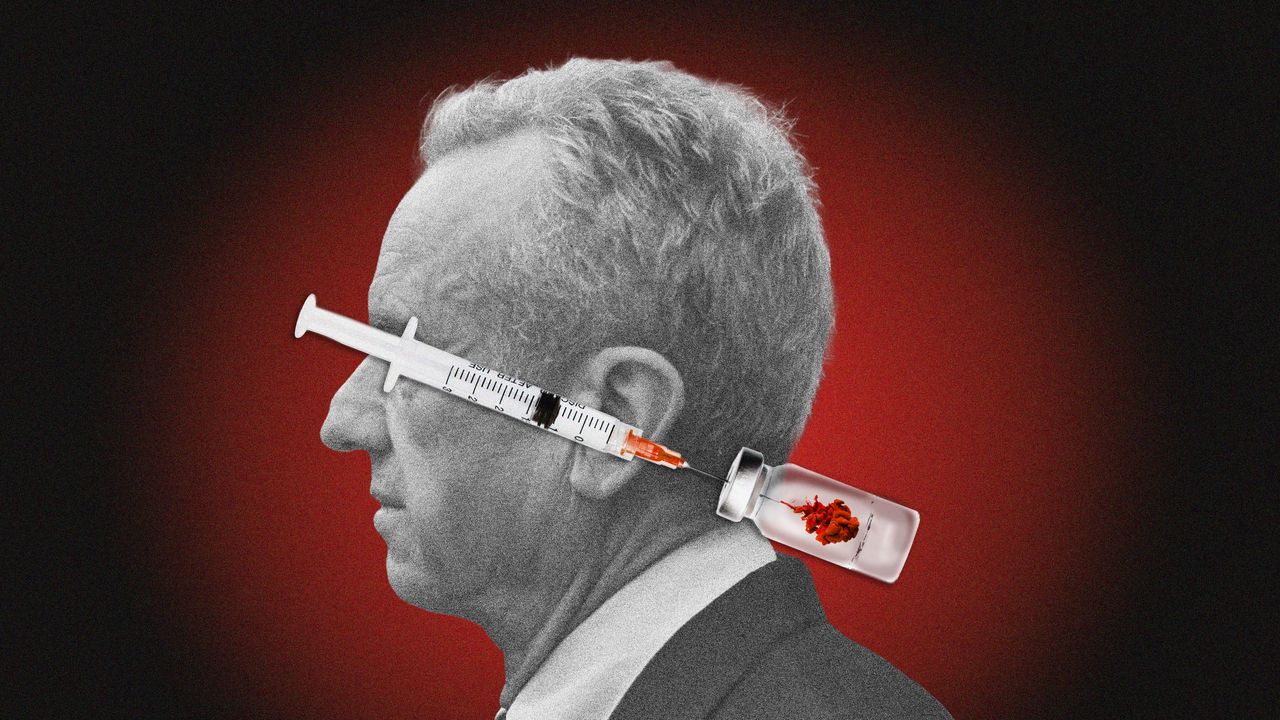
In an unprecedented move, Health and Human Services (HHS) secretary Robert F. Kennedy, Jr, announced his plans to allow broader use of six previously restricted peptides—going against the advice of the Food & Drug Administration (FDA).
The six peptides in question—BPC-157, KPV, TB-500, MOTS-c, Epitalon, and Semax—came up for discussion in July, when an advisory panel, the Pharmacy Compounding Advisory Committee (PCAC), voted in favor of loosening restrictions and moving the peptides to the 503A Bulks List, which means that compounding pharmacies could legally prepare them. Their advice was just that, advice. It did not mean the peptides were immediately added to the 503A Bulks List, nor that they were automatically FDA approved. But this latest development has moved the industry into “genuinely new territory,” says Dustin Robinson, a lawyer and founding partner of LumaLex Law, a firm that advises businesses in emerging health sectors (like peptides!).
The “interim enforcement discretion policy,” as it’s called, means compounding pharmacies can mix up the six peptides and the HHS won’t take enforcement action against them—as long as they follow a specific set of rules. Under these regulations, Robinson explains, pharmacies are protected only if they meet every condition, including: raw ingredients must come from FDA-registered manufacturers following good manufacturing practices; they must have a certificate of analysis (COA) that includes test results regarding identity, purity, endotoxins, and lack of contaminants like heavy metals; each product can only contain one peptide; each peptide is limited to specific forms, like intranasal use for Semax. The peptides cannot be purchased over the counter, either; they require a prescription from a licensed physician.
The document shared by the Department of Health and Human Services also calls out Kennedy in particular, who has been a vocal advocate for peptide use (although, not to state the obvious, is not a doctor or medical professional). “The Secretary of HHS has determined that this limited enforcement-discretion policy will discourage the continued, widespread use of certain research-use-only peptides supplied by foreign manufacturers that pose a safety risk to US patients,” it reads, adding that based on “available evidence” and the recommendations of a Pharmacy Compounding Advisory Committee, “the Secretary has determined that the policy advances patient choice and freedom while appropriately protecting patient safety.”
Does the FDA agree with RFK Jr.’s decision?
It’s worth reiterating that this policy comes without the blessing of the FDA. None of these peptides have undergone the notoriously rigorous and often time-consuming and expensive process to earn FDA approval, which means they don’t have the added safeguards and peace of mind that come with an FDA-approved substance. And when you’re injecting something into your body, you want it to be safe, right?
Disclaimer : This story is auto aggregated by a computer programme and has not been created or edited by DOWNTHENEWS. Publisher: www.allure.com




