With a newly acquired charter in hand, Dreyer & Reinbold Racing (DRR) is turning its full attention to the massive operational task ahead. Preparing for its first full IndyCar season since 2012 requires rebuilding the organization from the ground up, from technical alliances and personnel recruitment to driver selection and commercial growth.
For DRR Chief Executive Officer Derek Reinbold, son of late team owner Dennis Reinbold, the move fulfills a long-held ambition of his late father while laying the foundations for the future.
“Now it’s the right time, not just because the charter is available but because it was my dad’s ambition that we go full time as soon as possible, get back to full-time racing, make this team a full-time team, and our ambition is to expand the program while obviously retaining the great results that we’ve had at the Indy 500 year over year,” Reinbold said.
“I think it’s actually an exciting time. We’ll have a year to kick the tires before the new cars come out, gain some experience and build towards a sort of long-term fast ability for ourselves.”
Bridging the Technical Gap
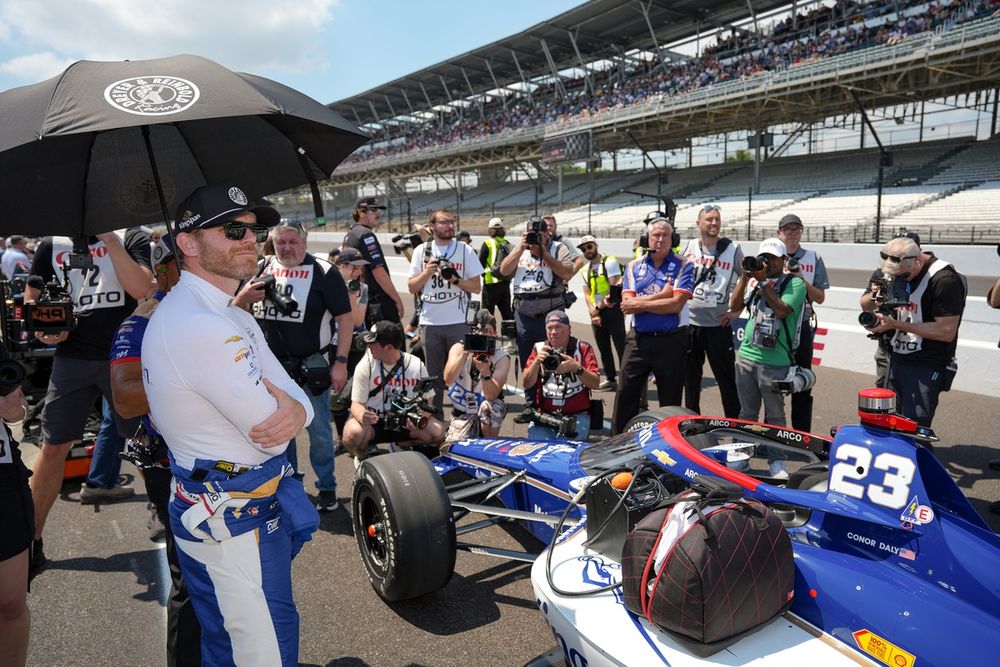
Conor Daly, Dreyer & Reinbold Racing Chevrolet
Photo by: Penske Entertainment
While DRR has consistently fielded competitive cars at the Indianapolis 500, re-entering full-time competition means addressing the team’s lack of recent road and street course development and experience.
“On the personnel side, we’re active in identifying talent that we can bring in,” said Brett De Bord, president and chief commercial officer of DRR.
“We have been competitive at the Indianapolis Motor Speedway, but we have 16, 17 other races that we have to go be competitive in, too, right, and we’ve not been full time, so we have obvious perhaps weakness or deficiencies in the road course and street course part of the season and dampers and development.”
To accelerate that learning curve during the final year of the Dallara DW12 chassis era, DRR is exploring technical partnerships with existing full-time organizations.
“If you want to look at some precedent, I think that there’s been a lot of good examples of two organizations working together,” De Bord said. “We’ve seen the success that Chip Ganassi Racing and Meyer Shank Racing have had together. They’ve pooled resources and a lot of really smart people in the same room with — instead of three and two, they have five really smart drivers, good drivers in the same room doing debriefs and sharing information and data to make both organizations better.
“We like that model. We believe in that model. I think to keep pace with our peers and our competitors, you have to look at those things. So we are.”
Assembling Personnel and Driver Evaluation

Jack Harvey, Dreyer & Reinbold Racing Chevrolet
Photo by: Geoff Miller / Lumen via Getty Images
Expanding from an Indy-only program to a full-season operation requires hiring engineers, mechanics, and support staff. Team Principal and Chief Operations Officer Chase Selman noted that interest from paddock personnel has been immediate. DRR currently employs 10 full-time staff, several of whom have been with the team for more than two decades, but is prioritising culture over rapid expansion.
“My phone as I sit here is currently blowing up with engineers and mechanics that are wanting to be a part of the program,” Selman shared. “I think it’s important to really nail down — Dennis built a foundation here of people, and that’s what we will build on going forward. The consensus […] is the work is there. It’s going to start with people first. Before we go hire one individual for this new endeavor, we’re going to make sure the parts and the pieces of the puzzle work together first because it’s people first, and that’s what Dennis was about.”
On the driver front, the evaluation process is in its early stages as the team weighs immediate performance against long-term development.
“It’s simple; we haven’t signed another driver yet,” Selmen said. “We’re throwing all the names in a hat that are available, and we’ll evaluate each one of them on their own basis. Indy is obviously extremely important to us. But the simple facts of the matter is it’s about the championship as well now. We’ve got to make decisions for the team that are going to put us ahead and help us develop not only for next year and do the catch-up program but when the playing field is leveled, if you will, with the new car, who puts us in the best place for that as well.”
Manufacturer Alignment and Commercial Strategy
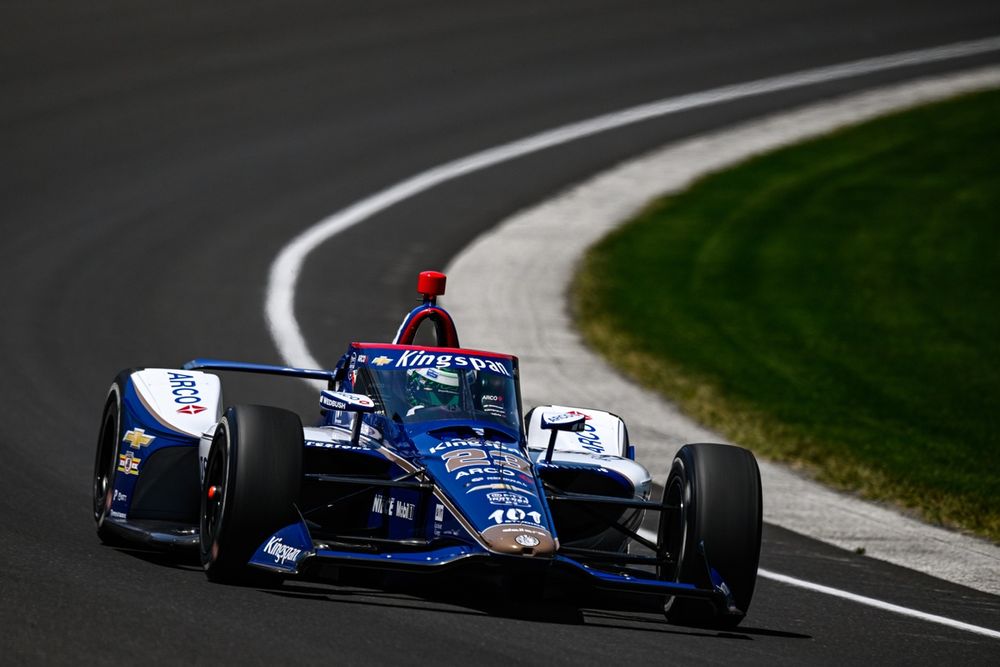
Conor Daly, Dreyer & Reinbold
Photo by: Brandon Badraoui / Lumen via Getty Images
The transition to a full-time campaign unlocks key commercial opportunities that were previously unavailable to an Indy-only program, while discussions continue behind closed doors with original equipment manufacturers (OEMs).
“In terms of OEM, we’re not ready to speak about those details just yet. We’ve had meaningful conversations, and that’ll come out at a later time when we’re ready to make those announcements,” De Bord stated.
A full-season programme also gives DRR significantly more commercial inventory to offer sponsors.
“We’ve been in a position, guys, where we’ve somewhat hit a glass ceiling,” De Bord said. “We’ve had a glass ceiling on us where we could only sell sponsorship around one race. Other teams that are full time have more strategic things at their disposal. They can bundle deliverables with other races, other cars that have an entire year-round, 365-day-a-year model where they can activate with their partners year-round, but we’re a little bit capped to this point.
“With this opportunity we have the ability to get more strategic, more creative, more flexible and develop longer term programs because we just have more inventory now, which is a good thing and a positive.”
Financially, Reinbold acknowledged the scope of the commitment: “The cost of running a full-time IndyCar program are ones that we haven’t experienced in some time. We’ve got some work cut out for us on that end as well. We’ve been very fortunate to have someone like Brett on board to help us make that all work out.”
Testing Plans and Performance Goals
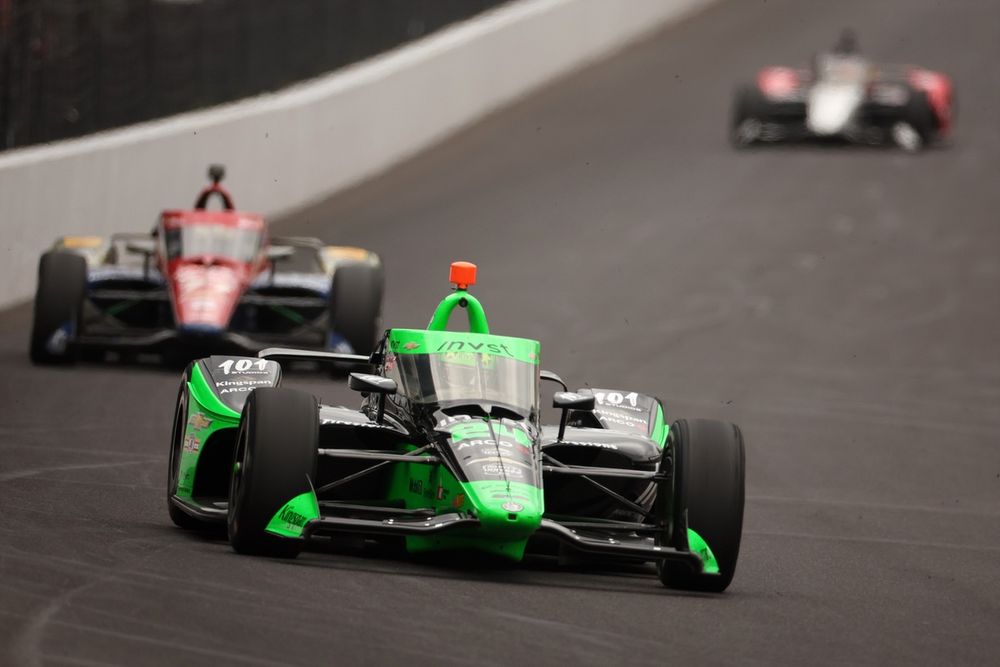
Jack Harvey, Dreyer & Reinbold Racing Chevrolet
Photo by: James Gilbert / Getty Images
Structuring an effective off-season testing program remains a top priority to maximize limited track time before the 2027 season begins.
“It’s extremely important and maybe more so for us to catch up. We need to make some smart decisions,” Selman said. “There’s obviously regulations within the series that we can only test a certain amount of days. We need to make some smart decisions with the driver, whoever it is that we pick, to accomplish as much as possible this first year.”
While DRR expects to remain competitive at the Indianapolis 500, leadership is maintaining realistic performance benchmarks for the road and street course events.
“We fully feel confident that we can go in and win the Indy 500,” Selman said. “We’ve, I think, proven that the last several years. So we’re pretty confident with our package there. We know that it’s an uphill battle at every other track. We’re not going to shy away from that. We know we have a lot of hard work to do.
“For us, outside of Indy, I think top 15 in points — top 12, top 15 in points I think would be a huge success for us. We can’t be unrealistic about what that looks like.”
That’s the team’s goal for 2027: Selman said a top-12 to top-15 championship finish outside of the team’s traditional Indianapolis 500 strength would represent a successful first season back.
We want your opinion!
What would you like to see on Motorsport.com?
– The Motorsport.com Team
Disclaimer : This story is auto aggregated by a computer programme and has not been created or edited by DOWNTHENEWS. Publisher: motorsport.com