
To get internet access in your home, you need both a modem and a router. They aren’t interchangeable, and they serve two very different functions. If you think of your home as an island, the modem is the port where the big cargo ships come in from the world wide web, and the router is the warehouse sending out delivery trucks to the devices dotted around your island.
But here’s where the confusion can set in: Sometimes they are combined into a single device. So, if you’re setting up a new network or planning to upgrade your home internet connection, knowing the basics of routers, modems, and gateways is crucial.
If you’re in the process of upgrading your home internet, you may also be interested in How to Buy a Router, Mesh Versus Router, Best Mesh Systems, and Best Wi-Fi Routers.
What Is a Modem?
The modem (or Modulator-Demodulator) acts as a translator between your home and your Internet Service Provider (ISP). It translates (or modulates) your outgoing traffic, whether that’s searches or other online actions, and sends them out across the internet and demodulates your incoming traffic, so that the router can route it to your devices.
In the early days of the internet, I used to plug an ISP-provided modem into my phone line and connect it directly to the computer I wanted to get online with via Ethernet cable. But that was before the days of Wi-Fi, when you could only get online with the one connected device (it was painfully slow, too). You can still do this with your modern modem if you’re content to have a single device online, but most people will be looking to fill their home with wireless connectivity to connect multiple devices.
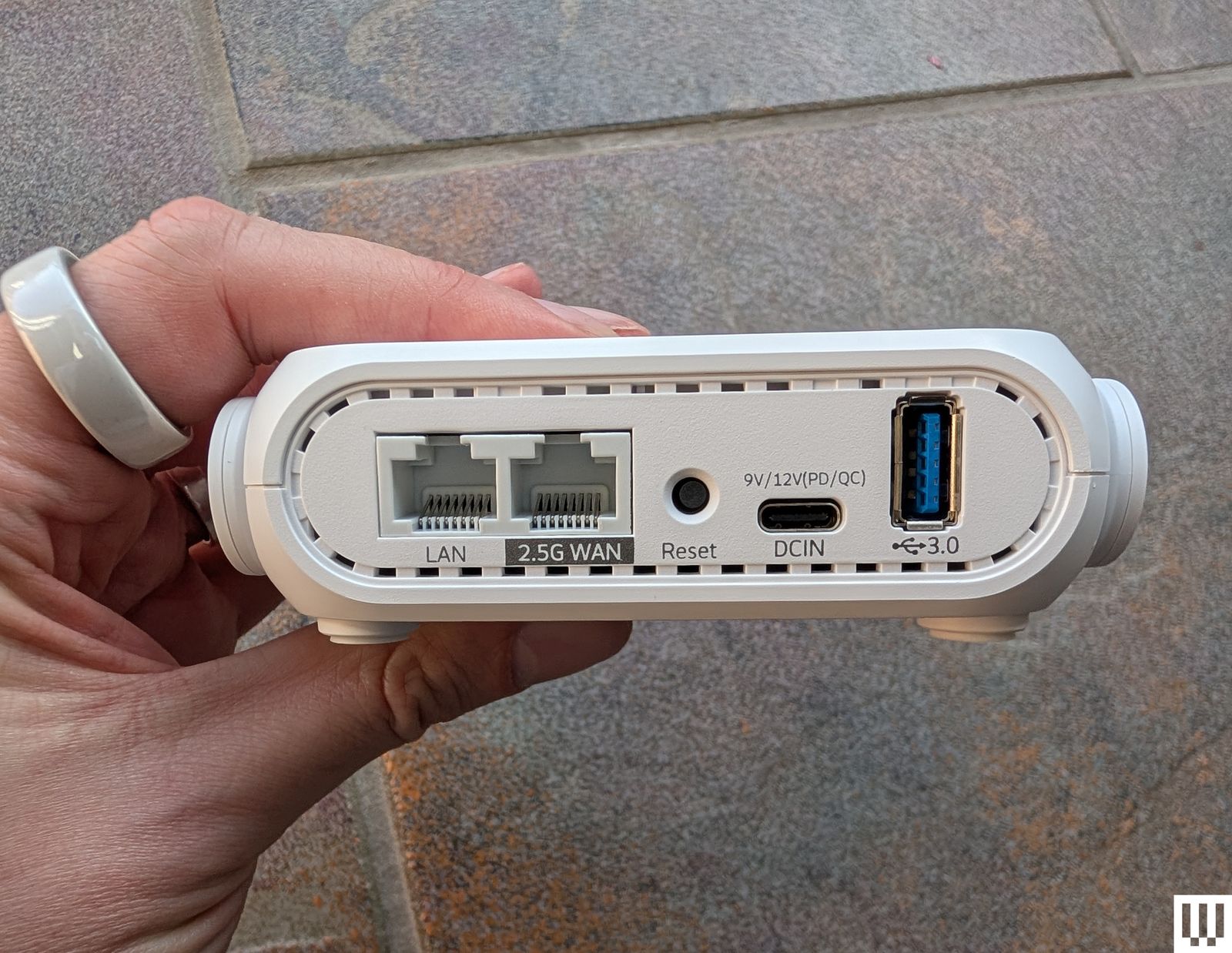
Nowadays, your modem is likely a box installed on the wall where your internet connection comes into the house—or at least sitting next to it. A standalone modem is typically smaller than a router, and they are often labeled, but you can also identify them by the incoming cable. If it uses a phone line, it will have a smaller connector (maybe RJ11 or RJ22), cable modems have a round coaxial connection, and optical fiber modems, also known as Optical Network Terminals (ONT), have a thin cable running in. All will have at least one larger Ethernet (RJ45) port to connect to the router.
You connect your router to the Ethernet port, or you have a cable that you connect to a combination device, maybe a gateway, that contains the modem and acts as a router. While your ISP’s modem is likely fine for your needs, your ISP’s router is probably not so great, and you can almost certainly improve on it by buying your own router.
What Is a Router?
Your router broadcasts the incoming traffic from your modem to your devices and routes the outgoing traffic from your devices to your modem. It directs the flow of traffic, creating a Local Area Network (LAN) in your home that devices can connect to via Ethernet or Wi-Fi. Whether you are browsing the web on your phone, streaming a movie on the TV, or gaming on your PC , you are relying on the router, and it decides how to portion up your internet connection and divide it between your devices.
Any device within range of your router can connect, provided the correct password is entered. It’s vital to choose a strong password and make sure you remember it. But don’t worry, because there are many easy ways to share your Wi-Fi password.
While your internet speed is set by your ISP, there are ways to make your Wi-Fi faster, and buying a new router is perhaps the most obvious. But good routers don’t just increase potential speeds, they can also improve stability, reduce latency, and improve your security. The latest Wi-Fi 7 standard offers all of these enhancements over previous versions.
Combined Modems and Routers
You can get devices that combine modem and router into one (sometimes called gateways). Most commonly, these combination devices are rented out by ISPs as part of your internet service. Combo devices can be hard to tell apart from routers. Some manufacturers, like Asus, have alternate lines of popular routers that include modems inside (prefixed with DSL), but they are virtually identical to the stand-alone routers. The way to tell them apart is by the incoming cable and ports. Routers generally only have RJ45 Ethernet ports, but combo devices will have an additional, smaller port for the incoming internet connection.
Most ISPs charge you a rental fee for using their equipment, but you don’t necessarily have to use it, and it rarely makes financial sense to rent. It is worth perusing your bills and checking in with your ISP because they often charge high fees for subpar devices. For some connection types, you can use your own modem, and you can always use your own router.
Companies like Asus and Netgear sell gateways you can buy, as well. It might be an attractive solution since separate modems and routers mean more devices and cables and a higher initial cost. But in most case, it’s better to have separate devices. This generally enables better performance, greater flexibility in router placement, and makes it easier to upgrade your system. It’s also cheaper to replace one or the other if they break down.
Best Routers
You have an enormous choice of different routers and mesh systems. Most homes can get by just fine with a single router, ideally centrally placed in the home, somewhere up high and out in the open.
Disclaimer : This story is auto aggregated by a computer programme and has not been created or edited by DOWNTHENEWS. Publisher: wired.com



