
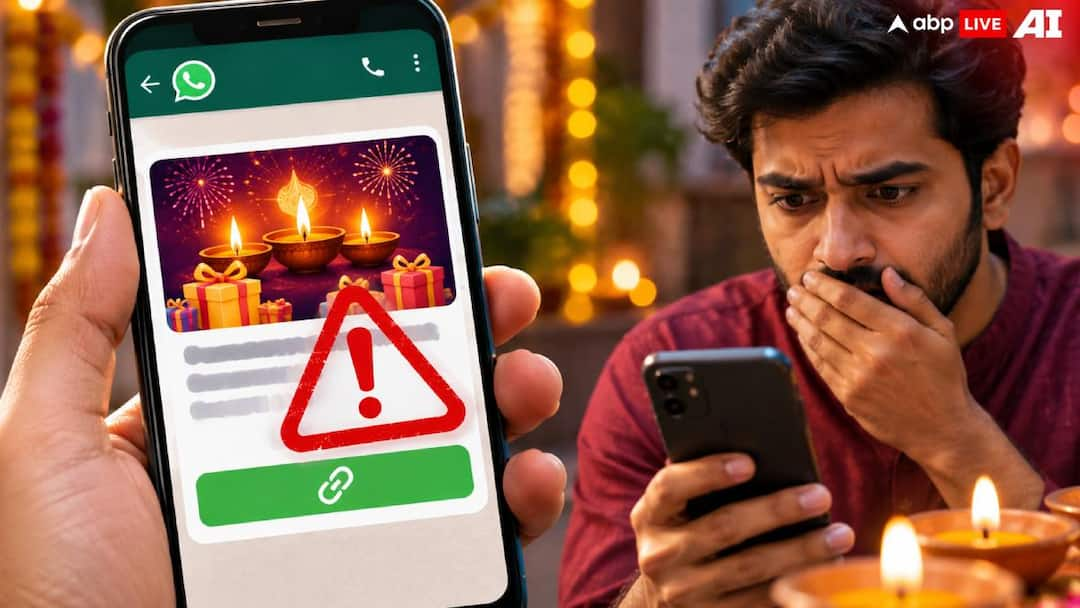
- Fake WhatsApp message promises Rs 8,000 Diwali bonus.
- PIB warns this is a phishing scam for data.
- If compromised, contact bank, change credentials, report immediately.
- Report financial fraud immediately via 1930 cybercrime helpline.
A WhatsApp message promising an Rs 8,000 Diwali bonus from the Prime Minister is doing the rounds, but there is no such government benefit. The Press Information Bureau (PIB) has flagged the viral claim as fake, warning citizens that fraudsters are using the festive season to lure people into a phishing scam. The messages encourage recipients to click on links to claim the supposed cash reward, redirecting them to fraudulent websites designed to steal personal and financial information.
The warning is particularly important for anyone who may have already clicked on the link, shared banking details or completed a transaction believing the offer was genuine. The authorities have urged people to avoid interacting with these messages and report suspicious activity immediately.
Those who have lost money should act quickly, as reporting a suspected cyber fraud without delay can help initiate the process of tracing the transaction.
🚨 Scam Alert! 💸 ⚠️ A fraudulent message is circulating on WhatsApp falsely claiming that the Government of India is providing Rs 8000/- as diwali bonus under the name of the Prime Minister. The message leads to a fake website seeking personal information. 💡 Beware of phishing scams that could lead to financial losses. Do not click any suspicious links or share OTPs with unknown people. 🔴 Report suspicious content related to the Central Government to PIB Fact Check 🔽 📲 +91 8799711259 📩 factcheck@pib.gov.in
— PIB Fact Check (@PIBFactCheck) November 2, 2026
How The Fake Rs 8,000 Diwali Bonus Scam Works
The fraudulent messages, circulated through WhatsApp, claim that the Central Government is distributing Rs 8,000 as a special Diwali benefit under the Prime Minister’s name. Recipients are asked to visit a website through an embedded link to register for or claim the supposed payment.
However, the website is not an official government portal. Cybercriminals may use such pages to collect sensitive information, including banking credentials and personal details. Victims could also be asked to pay a processing fee, authorise fraudulent UPI transactions or download applications that may compromise their devices.
The PIB has categorically rejected the claim and cautioned people against clicking on suspicious links or sharing one-time passwords (OTPs) with unknown individuals. The Telangana Cyber Security Bureau has also flagged the message as a phishing attempt. The warning was shared by the PIB following an alert circulated by the Cyber Crimes Unit Hyderabad.
ALSO READ: Now That The New iPhone Costs Rs 3 Lakh, Buyers Should Now Go For Pre-Owned Gadgets
What To Do If You Have Already Clicked On The Link
Clicking on a suspicious link does not necessarily mean that your bank account has been compromised. However, if you have interacted with the website, it is important to take precautions immediately.
Here are some steps you should follow:
- If you entered personal or banking details: Contact your bank immediately through its official customer care number or banking application. Inform the bank about the possible compromise and ask it to secure your account and payment services.
- If you shared your OTP or UPI PIN: Contact your bank without delay and request that potentially compromised banking and payment services be secured. Change your banking passwords and UPI credentials where applicable.
- If you downloaded an application: Avoid using the suspicious application or granting it further permissions. Disconnect your device from the internet if you suspect it is being remotely accessed, and seek assistance to remove the malicious application.
- If you authorised a UPI transaction: Contact your bank immediately and report the unauthorised payment. Do not wait for the transaction to be investigated on its own.
- If you forwarded the message: Stop circulating it and alert the people who received it not to click on the link or share their details.
Even if you have not lost money, reporting a suspicious link and securing any information you may have shared can help prevent further damage.
Lost Money In The Diwali Bonus Scam? Report It Immediately
Anyone who has transferred money after responding to the fraudulent offer should report the incident immediately. The national cybercrime helpline, 1930, is the first point of contact for reporting financial cyber fraud.
Victims should also follow these steps:
- Call 1930: Report the suspected financial fraud and provide details of the transaction, including the amount and payment reference, if available.
- Inform your bank: Contact your bank’s official fraud or customer support team immediately. Request assistance in flagging the transaction and securing your account.
- File an online complaint: Visit the National Cyber Crime Reporting Portal at https://cybercrime.gov.in and submit a complaint with the relevant details.
- Preserve evidence: Keep screenshots of the WhatsApp message, fraudulent website, phone numbers, payment confirmations, transaction IDs and any communication with the suspected fraudsters. These details may help authorities investigate the incident.
- Follow up on the complaint: Retain your complaint acknowledgement number and share it with your bank when following up on the reported transaction.
Reporting the fraud as soon as possible is important. While there is no guarantee that the money will be recovered, an early complaint gives the authorities an opportunity to take timely action.
ALSO READ: India Wants Machines To Police Deepfakes. First, They Must Learn To Say ‘I’m Not Sure’
How To Report The Fake Government Diwali Bonus Message
People who come across misleading messages claiming to offer government benefits can also report them to the PIB Fact Check unit.
The bureau has provided the following contact details for reporting suspicious claims related to the Central Government:
Citizens should also verify government schemes and financial assistance announcements through official government websites before sharing personal information or making payments.
The key takeaway is simple: a WhatsApp forward promising free money in the name of the Prime Minister should never be treated as an official announcement. With fraudulent messages becoming increasingly convincing, verifying the source before clicking a link or sharing financial information remains one of the most effective ways to avoid falling victim to cybercrime.
Disclaimer : This story is auto aggregated by a computer programme and has not been created or edited by DOWNTHENEWS. Publisher: abplive.com




