Saudi Arabia restarted operations at its East-West Pipeline on Tuesday and could resume crude exports from the Red Sea port of Yanbu later in the day, according to Reuters, citing three sources briefed on the matter. State oil firm Saudi Aramco did not respond to a request for comment.
After coming back online, the pipeline was operating well below normal throughput, Reuters reported. Getting to 40% of capacity would require a couple of days, with a full return to normal operations expected to take between 6 and 8 weeks, a security source said. Another source with knowledge of the oil industry gave Reuters a slightly shorter estimate, saying the pipeline could be back at full output within six weeks. Aramco was seeking to restore flows to around 4 million barrels per day — the rate the line had been carrying before the shutdown. The pipeline has a capacity of 7 million barrels per day.
The restart helped push Brent crude down by more than $2 a barrel toward $97, its lowest level since September 8.
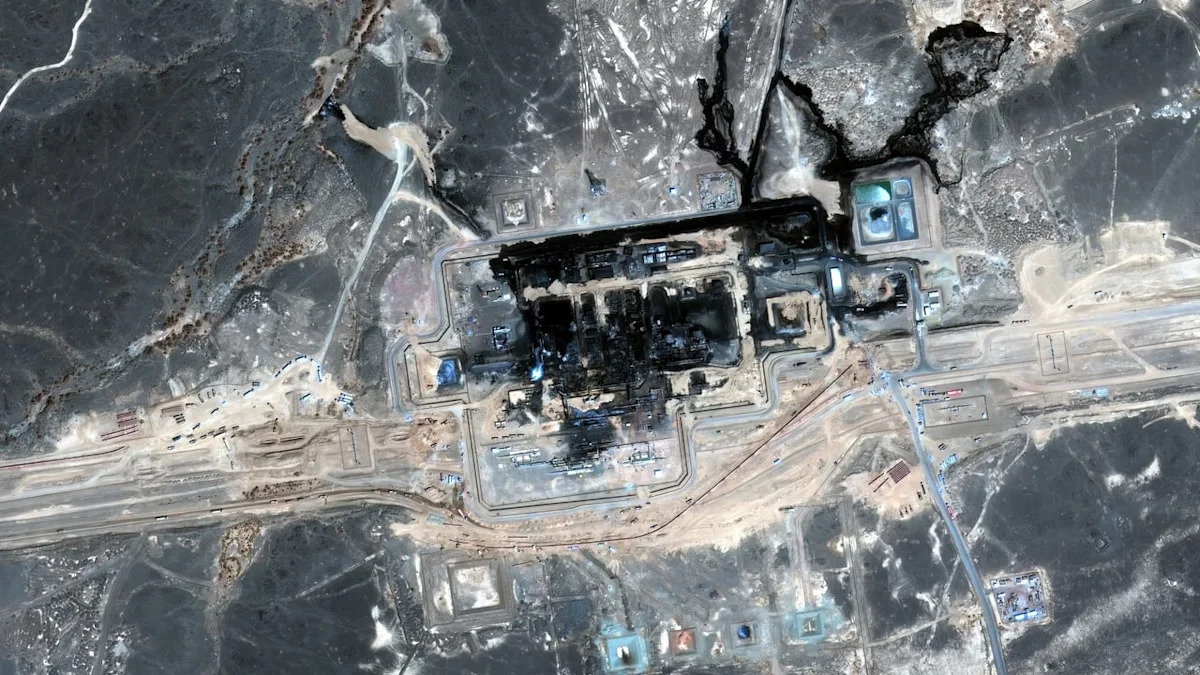
Satellite imagery and oil industry sources reviewed by Reuters identified three of the pipeline’s pumping stations as having sustained damage in the drone strikes. Of the 11 pumping stations and two pressure relief stations that serve the line, three were damaged. Saudi Arabia has blamed the attacks on Iraqi militia.
One cargo was scheduled to load at Yanbu later Tuesday and would be bound for China. Traders were positioning tankers at Egypt’s Mediterranean Port Said and at Sidi Kerir for ship-to-ship transfers in anticipation of renewed Saudi loadings.
The pipeline had been offline since September 11, when drone strikes forced Saudi Arabia to halt crude loadings at Yanbu. The attacks came at a particularly difficult moment: the East-West Pipeline had become a critical workaround since the U.S.-Israeli war on Iran disrupted flows through the Strait of Hormuz, allowing Saudi Arabia to move crude without passing through the strait.
With both the Strait of Hormuz restricted and the pipeline offline, Saudi Arabia’s export options had narrowed. The kingdom arranged ship-to-ship transfers off Oman’s Sohar port to cushion the blow for Asian refiners, while European buyers turned to North Sea barrels and other alternative suppliers to replace canceled Saudi deliveries.
Oil prices also declined this week after Iran announced it could restore access through the Strait of Hormuz within seven days, and after Saudi Arabia sent additional tankers loading at its Ras Tanura port, stoking expectations of higher exports through the strait.
Disclaimer : This story is auto aggregated by a computer programme and has not been created or edited by DOWNTHENEWS. Publisher: finance.yahoo.com