TEHRAN – Yemen’s Ansarallah forces are on the march, and America’s ally Saudi Arabia is in their crosshairs.
From their stronghold in Yemen, forces from the Ansarallah movement are raining missiles and drones on Saudi airports, oil facilities, and military installations while blocking Saudi shipping through the crucial Bab el-Mandeb Strait.
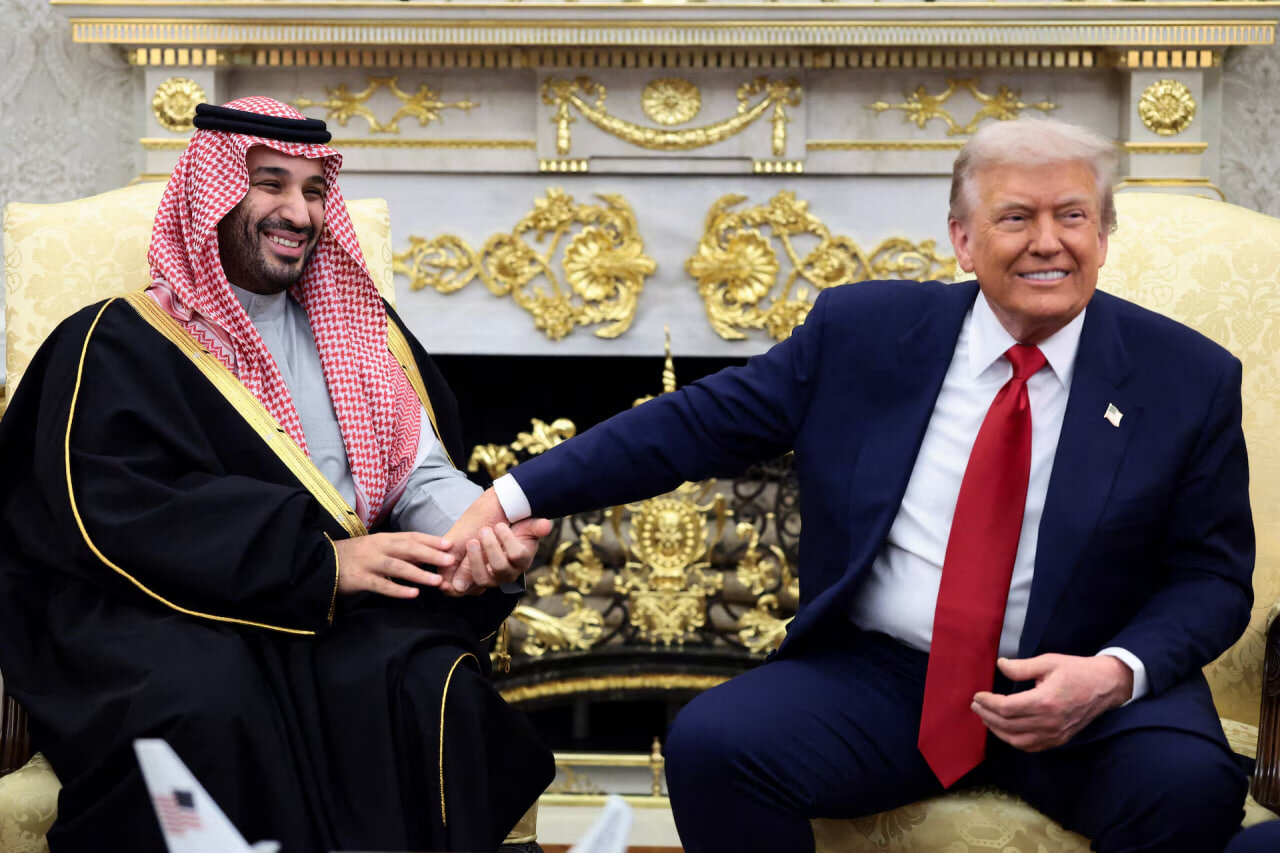
The kingdom’s leader, Crown Prince Mohammed bin Salman (MBS), is urging President Donald Trump to help, including joint air operations over Yemen. But knows that another air campaign against them is futile.
On October 10, a strike killed 13 people and injured more than 300 at Riyadh’s King Khalid International Airport. Saudi authorities gulped hard and canceled their flagship investment conference, and the country is bracing for more attacks. Ansarallah’s attacks are shaking confidence in Saudi Arabia’s security and denting MBS’s ambitious economic plans.
For now, the United States and other Saudi partners are supporting the kingdom while avoiding direct action in Yemen. They are right to be cautious. Renewed U.S. airstrikes would almost certainly break the bilateral truce with Ansarallah that has been in place since 2025. Doing so would invite attacks on American personnel and assets in the region.
With the Iran war deeply unpopular, the Trump administration has strong incentives to avoid broadening the war or being drawn into a costly, open-ended fight in Yemen, The National Interest said in a commentary published on November 2.
Nor is it clear that the US airstrikes that MBS wants would turn the tide. Air campaigns against Ansarallah have limits. Saudi Arabia, the United States, and Israel have all tried, with limited success—including Operation Rough Rider, a major, 52-day US bombing campaign in 2025 that failed to stop Ansarallah from harassing Red Sea shipping.
Airstrikes won’t fundamentally threaten Ansarallah’s control of a chunk of Yemen or change their behavior. In fact, past bombing campaigns backfired when they killed Yemeni civilians and served as a rallying cry against foreign intervention.
Washington can create the conditions for an eventual political settlement that will need to include Ansarallah.
The immediate trigger for the renewed fighting between Saudi Arabia and the Ansarallah movement was a Saudi airstrike on Sana’a International Airport in July 2026. Ansarallah responded by declaring a naval blockade against Saudi shipping and attacked Saudi energy facilities and vessels.
The Ansarallah movement has demanded the lifting of restrictions on Yemen’s airports and seaports, saying that they have deepened the humanitarian and economic crisis in areas under its control.
The deteriorating economic situation in northern Yemen and the lack of progress on economic relief increased Ansarallah’s willingness to confront Saudi Arabia.
Saudi Arabia’s MBS launched war against Ansarallah in March 2015, vowing to crush them in few weeks. However, the war lasted for about eight years. The war only humiliated Saudi Arabia that was backed militarily and logistically by its allies, including the UAE and the United States.
Not taking lessons from that scandalous and protracted war, Saudi Arabia reopened the doors of hell.
Disclaimer : This story is auto aggregated by a computer programme and has not been created or edited by DOWNTHENEWS. Publisher: tehrantimes.com