Hyderabad:The state government’s plan to extend schooling up to Class XII has divided opinion over what students stand to gain and how the existing Intermediate system would be affected. While schoolteachers see an opportunity to keep more children in education, junior college lecturers and educationists have questioned the need for a merger, its impact on examinations, the future of teaching staff and whether schools are equipped to take on additional classes.
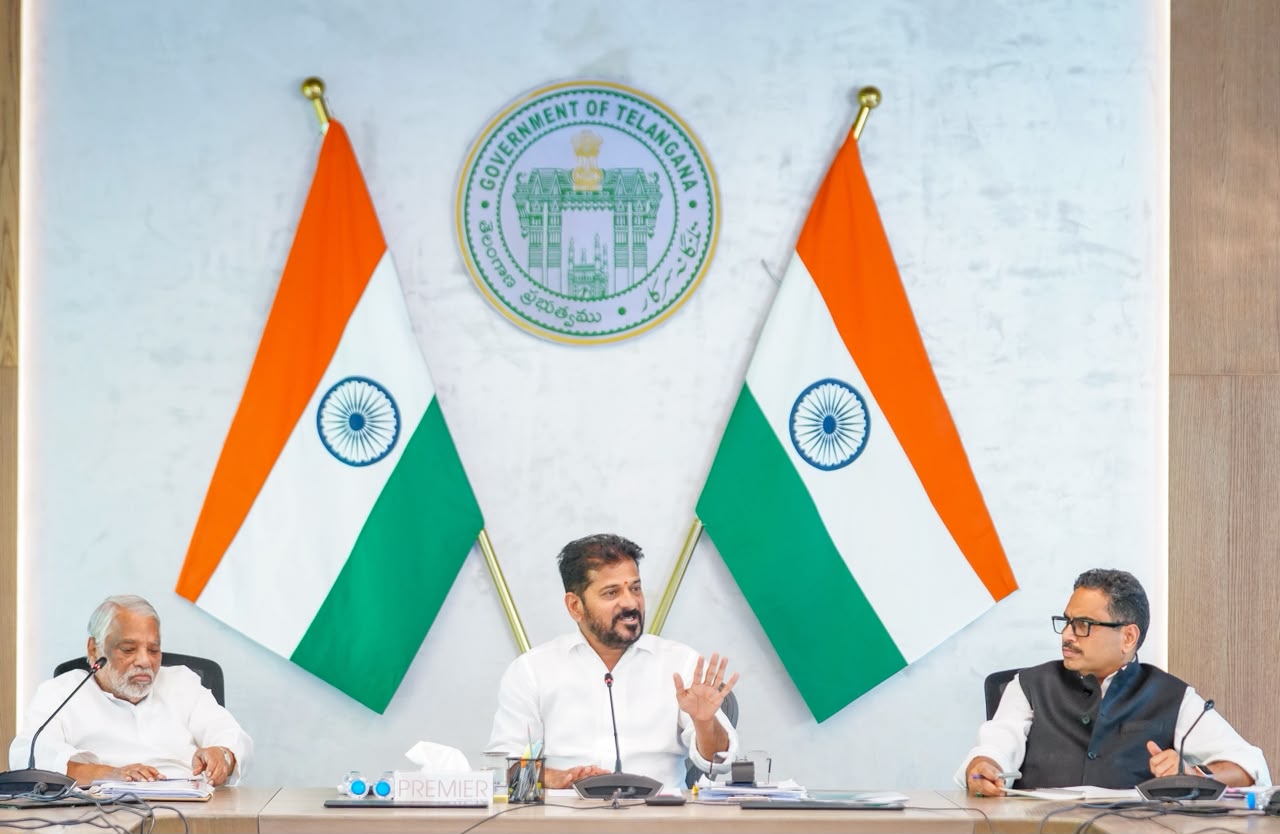
Chief Minister A. Revanth Reddy on Wednesday directed officials to introduce the system from next year. He cited an average dropout rate of 40 per cent after Class X and assured that the employment and retirement benefits of junior college staff would be protected.
However, Intermediate education expert A.N.S. Sankara Rao said merging the two systems could take several years to stabilise and affect the quality of education. “How can a single system manage lakhs of students appearing for Class X and XII examinations when errors, including those related to examination results, already exist?” he asked.
He also pointed to faculty shortages in schools and junior colleges, many of which continue to depend on contract lecturers. Rather than merging the systems, education experts suggested that the government address existing shortcomings.
Experts also questioned the dropout figures, saying students who enter diploma courses or ITIs after Class X should not be counted as dropouts and need greater support for career‑oriented courses.
The Intermediate Education Joint Action Committee (JAC) opposed the proposal. Its chairman, Dr P. Madhusudhan Reddy, said Intermediate education was introduced in 1969‑70 under the 10+2+3 system following the Kothari Commission’s recommendations and credited it with helping students from Telangana and Andhra Pradesh enter institutions such as IITs, NITs and AIIMS. He argued that the merger could affect students preparing for competitive examinations, including engineering entrance tests, and asked the Chief Minister to reconsider the proposal.
The Telangana State United Teachers’ Federation (TSUTF), however, welcomed the proposal from the students’ perspective. “We welcome the decision to introduce Classes XI and XII in secondary schools. There are some service‑related issues between junior lecturers and schoolteachers, particularly concerning promotions. But from the students’ point of view, this is a welcome decision,” said Chava Ravi, state president of TSUTF.
According to him, the staffing pattern in schools would need to change, and junior lecturers currently working in Intermediate colleges should be redeployed to higher secondary schools. He believed the government could resolve the service‑related issues without major difficulties in teaching arrangements.
Space, however, could pose a challenge. Ravi pointed out that existing school buildings could not accommodate Intermediate classes everywhere and suggested that only selected schools could be combined or expanded to offer education up to Class XII.
“Students do not discontinue their education after Class X simply because Intermediate education is separate. There are social reasons too,” he said, citing Kasturba Gandhi Balika Vidyalayas, where girls continue into Intermediate when the facility is available. Similar opportunities in day schools, particularly within students’ own villages, could encourage more children to remain in education.
Meanwhile, social media questions emerged on whether Telangana would retain its MPC and BiPC syllabuses or move to a different 10+2 structure and how any change could affect JEE and NEET preparation.
Disclaimer : This story is auto aggregated by a computer programme and has not been created or edited by DOWNTHENEWS. Publisher: deccanchronicle.com