‘Serious errors’ found in trial of woman convicted of killing baby
-
Published
There were “serious errors” in the conduct of a high-profile trial in which a woman was convicted of murdering her baby, the Court of Appeal has found.
The court found there was serious expert witness and prosecutorial misconduct, and poor handling of the 2023 trial by the judge.
The woman’s convictions, for the murder of her baby and attempted murder of her toddler, were quashed by the court in 2025 and a retrial was ordered.
Earlier this week, the woman, who cannot be named for legal reasons, was sentenced to 10 years after pleading guilty to infanticide and attempted murder.
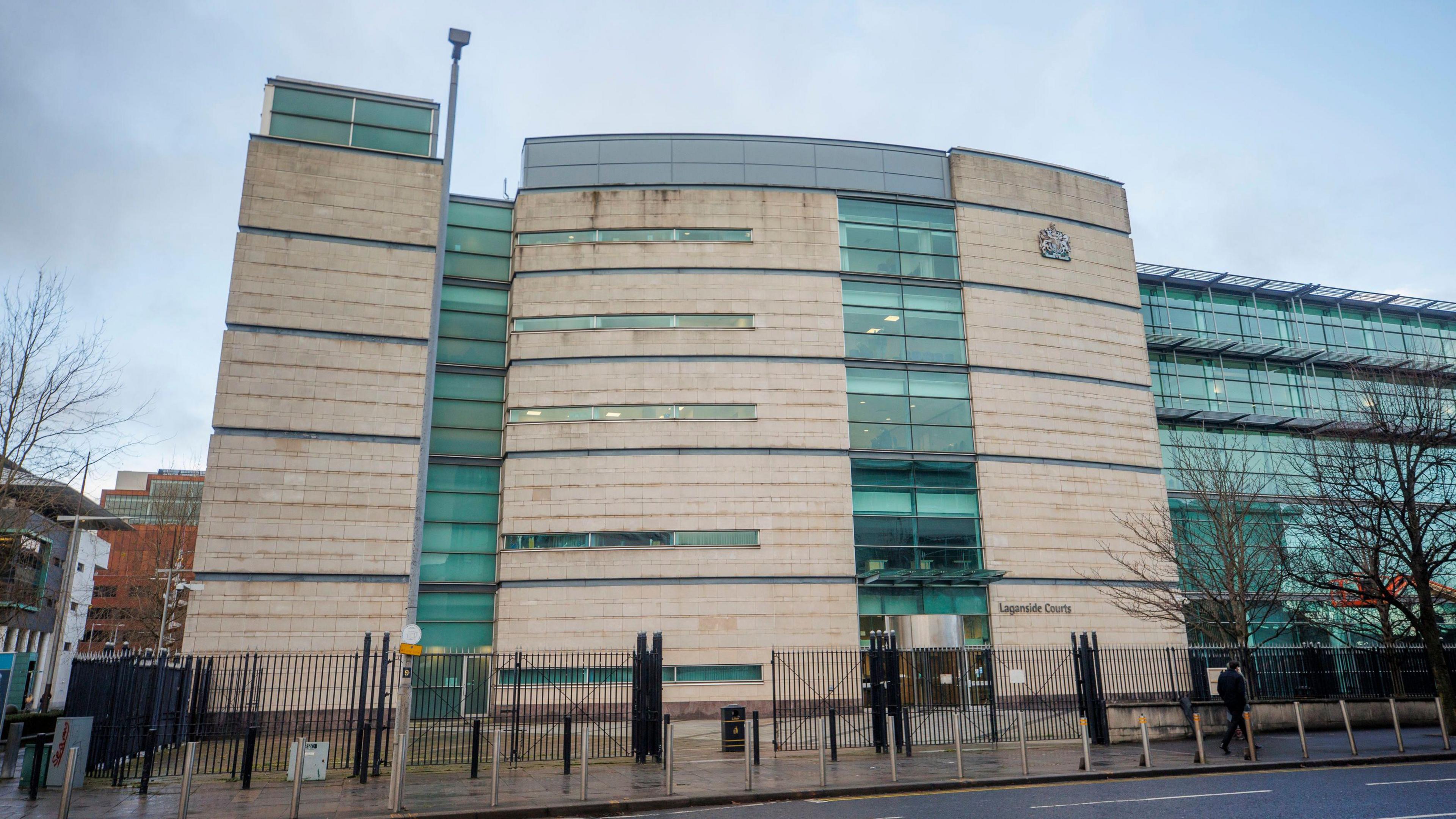 Image source, PA Media
Infanticide is legally defined as the unlawful killing of a child aged under 12 months, by its biological mother, when at the time the “balance of the mother’s mind was disturbed”.
The details of the Court of Appeal’s judgement have only been made public on Friday after the conclusion of the case.
In the findings, the appeal court said the original convictions were quashed after it examined three grounds of appeal: the conduct of the prosecution; evidence by an expert witness; and handling by the judge.
“That is because the serious errors in the conduct of this trial which began with the prosecution’s misconduct were compounded by the expert witness and the judge.”
The woman’s defence team argued that the judge, Donna McColgan, had failed to ensure a fair trial.
They pointed to flaws in evidence given by an expert witness, Dr Richard Bunn, and they argued that Richard Weir KC’s (Crown counsel) handling of Dr Bunn before and during the trial amounted to misconduct.
During the 2023 trial two psychiatrists gave evidence.
Dr Murphy, who was an expert in infanticide, said the woman was suffering from moderate to severe depression which substantially impaired her rational decision-making and self-control and believed the defence of infanticide was open to the defendant.
Dr Murphy also told the court that the mother in this case appeared to be the victim of coercive control by her partner, the father of her children.
‘Spousal revenge’
Dr Richard Bunn told the 2023 trial the woman was mildly or moderately depressed.
When giving evidence in the trial Dr Bunn was asked about motive for the stabbings and “stated that in his opinion the most likely reason for the killing was “spousal revenge.”
However, this theory did not appear anywhere in his reports.”
The appeal judgement says it emerged that Dr Bunn had been given an article on spousal revenge by Crown prosecutor Richard Weir KC prior to giving evidence in the trial.
Expert witness concerns
The appeal court also says an important quotation that was in Dr Bunn’s report for the court case which claimed the woman had said: “he destroyed my life, so I destroyed his”, was not in his original notes.
The quote in Dr Bunn’s original notes was “he destroyed my life”.
The judgement from the Court of Appeal said it was put to Dr Bunn that he had lied about what the woman had said to him when he had examined her.
It added that, after exchanges, he agreed that he had lied, but later withdrew from that position.
The defence team raised with the judge during the 2023 trial the evidence Dr Bunn had given around “spousal revenge”, and their concern that this had not appeared in his notes or reports.
It also came to light that before Dr Bunn gave evidence he and the prosecution barrister Mr Weir KC had a phone call lasting almost an hour, which was not recorded.
The court of appeal found that “Dr Bunn’s evidence was not evidence that a jury could rely on in a case of this nature.”
When considering the conduct of the prosecutor Richard Weir KC, the court of appeal found “the prosecutorial conduct in this case to have fallen below the recognised standards of good practice.”
Jury should have been discharged
The defence team twice requested that the jury in the 2023 trial be discharged but Judge Donna McColgan refused those requests.
The court of appeal said “the judge did not pay adequate regard to this issue and appeared to minimise the import of the prosecution conduct and Dr Bunn’s evidence.”
Adding that the jury in this trial should have been discharged: “this is a rare case where the judge has made an error in failing to discharge the jury.”
Disclaimer : This story is auto aggregated by a computer programme and has not been created or edited by DOWNTHENEWS. Publisher: BBC