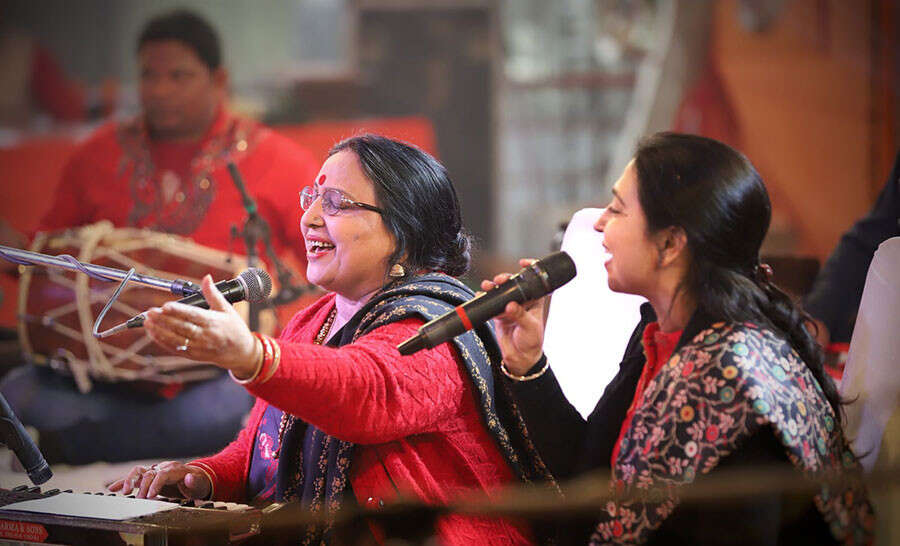
When the autumn air turns crisp and the scent of freshly fried thekua drifts through the air, millions across Bihar, Jharkhand, Eastern Uttar Pradesh, and the global diaspora prepare for Chhath Puja. Yet, long before the sun breaks over riverbanks, Chhath begins in the ears. It arrives through the timeless, earthy vocal resonance of Sharda Sinha.
Known fondly as the Bihar Kokila (Nightingale of Bihar), Padma Vibhushan Sharda Sinha was a classical and folk music icon whose career spanned over four decades. Singing predominantly in Maithili, Bhojpuri, and Magahi, she became the undisputed voice of East India’s traditional heartland. Her contribution to folk music elevated regional songs onto global concert stages and mainstream cinema soundtracks without losing an ounce of their raw, sacred purity.

As Sharda Sinha’s soulful voice echoed from loudspeakers across the riverbanks of Siwan, I realised that her music was the invisible glue binding the entire town together. People say that Chhath is unique among Indian festivals because it involves no priests, no temple walls and no complex rituals. It is a direct dialogue between the fasting devotee (vratti) and nature, specifically Surya Dev (the Sun God) and Chhathi Maiya. In this unmediated, agrarian festival of cosmic gratitude, Sharda Sinha’s music acts as the sacred liturgy.
Devotees fast for 36 hours without water, standing waist-deep in cold river waters during Sandhya Arghya (evening offerings to the setting sun) and Usha Arghya (morning offerings to the rising sun). The festival celebrates life, nature’s sustenance, and family well-being, transforming every riverbank into an open-air space where social hierarchies dissolve. Sinha’s renditions capture this ethos by emphasising simplicity, maternal love, and deep ecological respect, binding generations together.
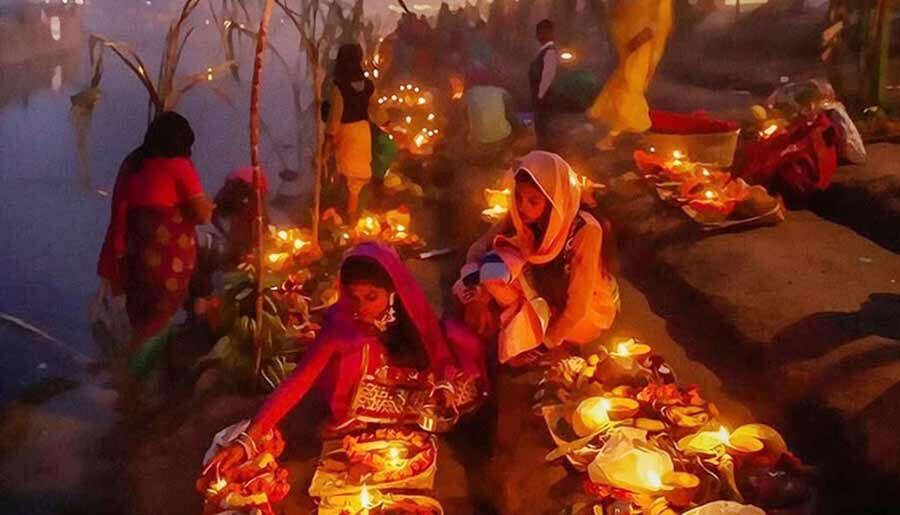
Central to this bond is the rich tapestry of maternal affection and the sacred place of a daughter within the household. Sharda Sinha’s repertoire excels in portraying these intimate familial ties, where a daughter’s prayers and a mother’s unyielding love form the true emotional foundation of the festival.
Below is the definitive selection of 10 iconic Sharda Sinha songs that define the soundscape of Chhath Puja, along with their deep cultural meanings.
The Essential Top 10 Sharda Sinha Chhath Soundscape
In This Article
1. Kelwa Ke Paat Par
The Theme: Waiting for the Sun God
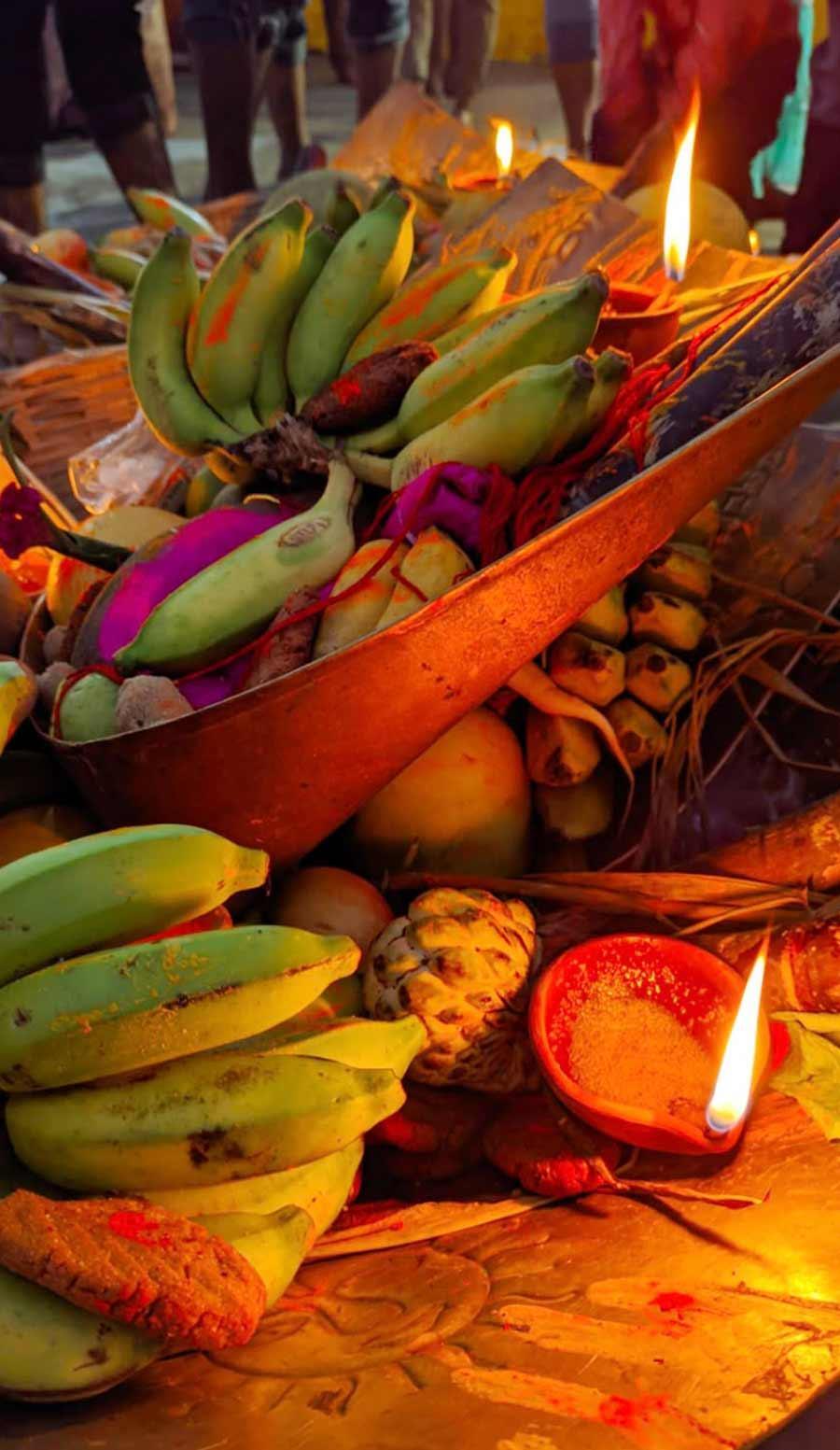
Meaning: Inherited from generations of traditional oral singing, this song depicts the devotee standing in cold water, holding a bamboo basket (suep) lined with banana leaves and fruits. She peers through the morning mist, anxiously awaiting the first ray of sunlight to complete her arduous fast.
Kelwa ke paat par ugelan surujmal jhanke-jhuke, A karelu chhath baratiya se jhanke-jhuke…”
2. Pahile Pahil Chhathi Maiya
The Theme: The First-Time Devotee’s Prayer and Daughter’s Humility
Meaning: Released in 2016, this song portrays a young woman undertaking the rigorous Chhath fast for the very first time. It reflects a daughter’s reverence, humility, and gentle request for blessings as she steps into family traditions passed down by her elders, begging Chhathi Maiya to forgive any accidental errors made during preparations.
“Pahile-pahil hum kaili, Chhathi Maiya vrat tohar, Kariha kshama Chhathi Maiya, bhool-chook galti hamar…”

3. Ho Deenanath (Kaanch Hi Baans Ke Bahangiya)
The Theme: Sibling Bonds and Domestic Unity
Meaning: The song details the delicate creation of the bahangi, a carrying pole made of green, un-split bamboo. It describes the brother carrying the heavy load of offerings while the sister prays for his safety and strength, capturing the domestic unity and protective sibling warmth essential to Chhath.
4. Marbo Re Sugwa Dhanush Se
The Theme: Protecting the Purity of the Prasad
Meaning: A narrative folk song where a devotee warns a parrot (sugwa) not to peck at or contaminate the ripe fruit hanging on the trees, as those fruits are reserved strictly as sacred offerings for Surya Dev.
5. Patna Ke Ghat Par
The Theme: The Splendor of the Riverbank
Meaning: Paints a vivid picture of the ghats of Patna along the Ganges, illuminated by thousands of earthen lamps (diyas) and crowded with reverent families bringing their baskets to the water’s edge in collective celebration.

6. Uga Ho Suruj Dev Bhela Bhinuhaar
The Theme: The Morning Arghya Invocation
Meaning: Sung during the dawn of the final day, this gentle imploration asks the Sun God to rise above the horizon and dispel darkness, allowing the tired yet triumphant devotees to complete their 36-hour fast.
7. Runki Sunki Ke Maai
The Theme: A Mother’s Supplication and Affection for Her Children
Meaning: A poignant prayer where a mother stands with her apron spread (aanchal pasaar), asking Chhathi Maiya to safeguard her children’s health, grant longevity to her family, and bring peace and prosperity into the household.
8. Samdaav / Arghya Geet
The Theme: Farewell and the Daughter’s Enduring Bond
Meaning: As the rituals conclude, this song functions as a solemn emotional send-off. Drawing from traditional folk farewells between a mother and her daughter, it gives thanks to Chhathi Maiya while emphasizing that deep affection bridges all physical distances.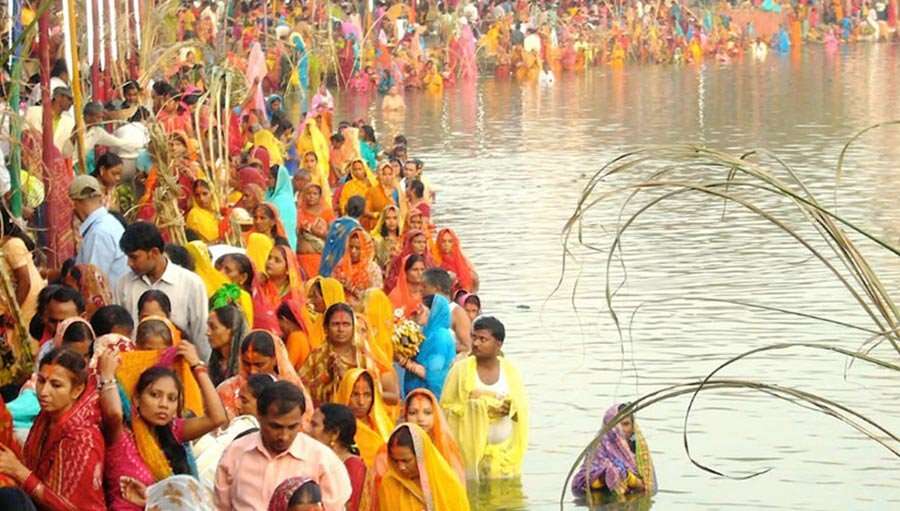
9. Supawo Na Mile Maai
The Theme: Hardship and Unwavering Faith
Meaning: Addresses the economic hardships faced by underprivileged devotees who struggle even to purchase basic offerings like bamboo baskets, highlighting that devotion in Chhath requires purity of heart rather than material wealth.
10. Hey Chhathi Maiya
The Theme: Universal Surrender and Family Peace
Meaning: A meditative bhajan expressing absolute surrender to the divine power of nature. It is commonly played during Kharna evenings as the quiet period of the fast begins, invoking blessings over every home.
As the mist rises off the rivers and the final offerings of milk and water are poured toward the morning sun, the music gently winds down. Yet long after the riverbanks clear and families return home carrying baskets of thekua, Sharda Sinha’s voice lingers in the air. For me, connecting her recorded melodies on the ghats of Siwan back to the warm conversations with her, Anshuman, and Vandana brought everything full circle. Her voice remains an indelible bridge across miles, memories, and generations, a timeless reminder that as long as the sun rises over the ghats, her songs will continue to lead us home.
Also Read: Sharda Sinha: A Voice That Became The Prayer of The Soil
Disclaimer : This story is auto aggregated by a computer programme and has not been created or edited by DOWNTHENEWS. Publisher: filmfare.com