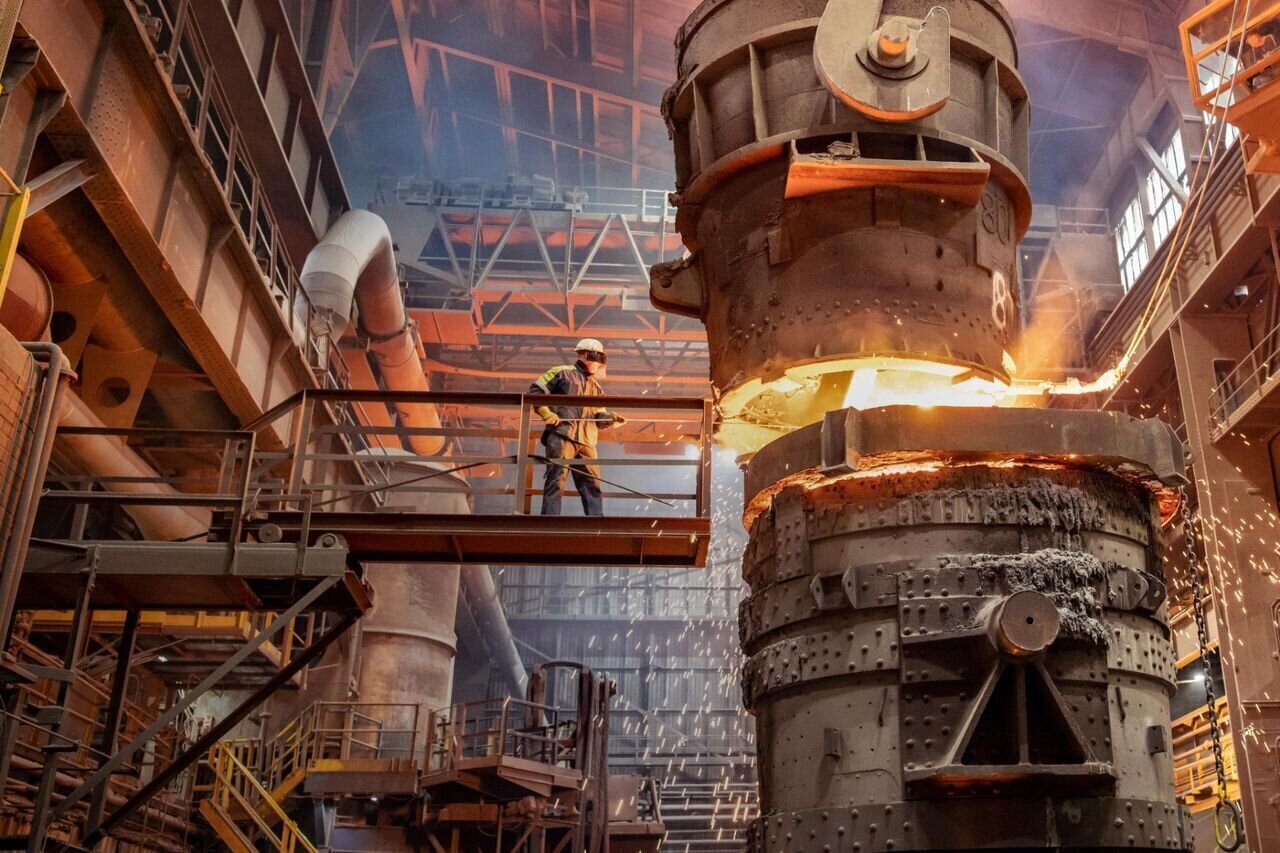
TEHRAN – Iran’s steel producers have continued operations despite facing electricity restrictions of around 80 percent over the past five to six months, relying on their own power plants and purchases from the open market to meet part of their energy needs, the head of the Iranian Steel Producers Association said.
Bahram Sobhani told IRIB that the steel industry had faced both power cuts and restrictions, as well as several-fold increases in electricity and gas tariffs in recent years, adding that both factors had affected production costs and operations.
He said almost all major steel companies are listed on the stock market, meaning changes in energy supply conditions and costs directly affect their financial statements, profitability and share values.
Sobhani said steelmakers had used their own power plants to offset part of the electricity shortfall and purchased additional supplies from the open market.
Buying electricity through the Energy Exchange at prices of 100,000 to 150,000 rials per kilowatt-hour has imposed a significant cost burden on steel companies and affected their financial performance, he added.
He said the industry had not faced major restrictions on gas supplies in recent months, but warned that colder weather could bring renewed concerns over gas availability.
Criticizing the sale of electricity and gas to industries through the Energy Exchange at prices several times higher than regulated rates, Sobhani questioned why some energy supplies were being sold at higher prices through the exchange when domestic demand could be met.
The steel industry is being hit both by energy supply restrictions and rising prices, he said, rejecting claims that steelmakers benefit from substantial energy subsidies. He added that electricity and gas tariffs for Iranian steel producers were comparable to, and in some cases higher than, those in steel-producing countries along the Persian Gulf.
Sobhani said Iran required more than 800 million cubic meters of gas per day and had faced shortages last year. Some energy facilities were also damaged this year, with commitments made to compensate for the losses.
He warned that failure to address the gas shortfall could also affect electricity generation, as a significant share of the country’s power is produced using natural gas. He added that the steel industry is among the first sectors to face restrictions when energy supplies are curtailed.
On the production outlook, Sobhani said three major steelmakers — Mobarakeh Steel, Khuzestan Steel and Sepiddasht — which were damaged during the war, had resumed operations through the efforts of domestic specialists and were now operating at nearly their previous levels.
He said their return to production in such a short period was a significant achievement, adding that Iran was expected to rank 10th globally in monthly steel production during the second half of the current Iranian year and maintain that position throughout next year.
EF/
Disclaimer : This story is auto aggregated by a computer programme and has not been created or edited by DOWNTHENEWS. Publisher: tehrantimes.com