- US pauses Strait of Hormuz escort mission amid Iran talks.
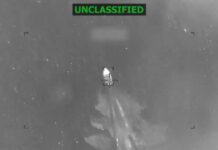
- US forces destroyed Iranian boats, cruise missiles, drones.
- Maritime traffic remains disrupted, raising global commodity prices.
- Regional tensions persist with UAE intercepting drone attacks.
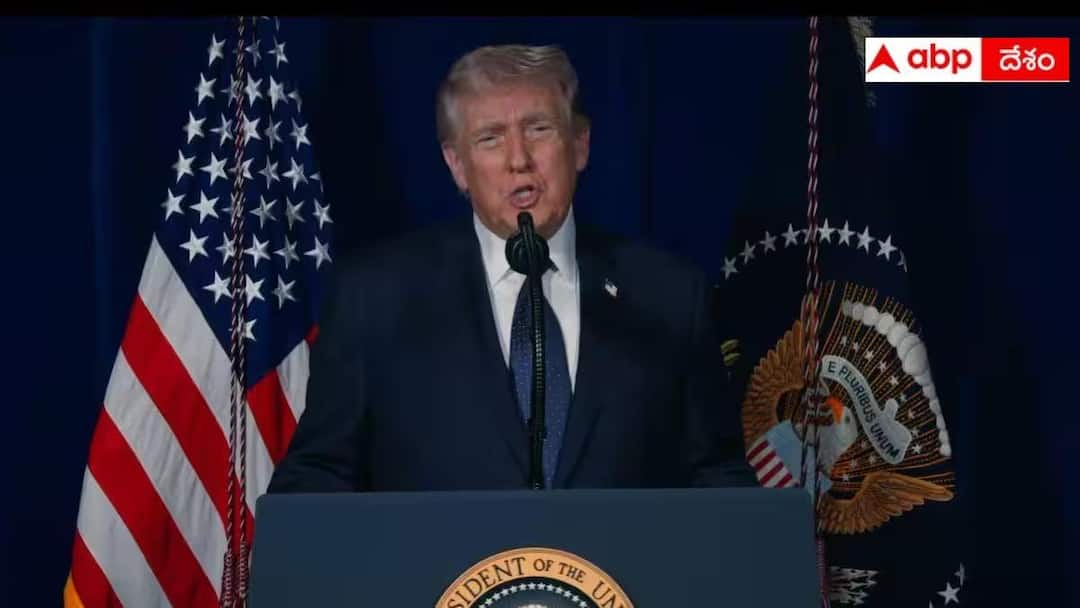
US President Donald Trump said Tuesday he would temporarily halt a mission aimed at escorting vessels through the Strait of Hormuz, pointing to progress in negotiations with Iran. The announcement marks a potential turning point in a crisis that has rattled global energy markets and heightened military tensions in the Gulf.
“We have mutually agreed that, while the Blockade will remain in full force and effect, Project Freedom … will be paused for a short period of time to see whether or not the Agreement can be finalised and signed,” Trump wrote on social media. Tehran has yet to respond publicly.
Military Campaign Winds Down, But Tensions Persist
Just hours before Trump’s statement, U.S. Secretary of State Marco Rubio briefed reporters on efforts to assist stranded tankers navigating the strategically vital waterway. A day earlier, the U.S. military said it had destroyed several Iranian small boats, along with cruise missiles and drones.
Rubio stressed that Washington would not allow Iran to dictate maritime traffic through the strait. “There’s no shooting unless we’re shot at first,” he said at the White House, adding that US objectives had been met. “Operation Epic Fury is concluded. We’re not cheering for an additional situation to occur.”
Despite the pause, the Strait of Hormuz remains largely inaccessible. Since the conflict began on February 28, the passage, responsible for roughly one-fifth of global oil and gas shipments, has been effectively shut down, driving up commodity prices worldwide.
ALSO READ | ‘We Don’t Want A Fight, But…’: US Issues Open Warning To Iran Over Strait Of Hormuz
Global Shipping Disrupted As Risks Escalate
Iran has restricted access by threatening to deploy mines, drones, missiles and fast-attack vessels. In response, the United States imposed a blockade on Iranian ports and organised escorted transits for commercial ships.
During Rubio’s briefing, Britain’s Maritime Trade Operations agency reported that a cargo vessel had been hit by a projectile in the strait. Details of the incident were not immediately available.
Earlier in the day, US Defence Secretary Pete Hegseth said American forces had secured a navigable route through the waterway, with hundreds of commercial vessels waiting to pass. He also noted that the four-week-old truce with Iran remained intact, for now.
“Right now the ceasefire certainly holds, but we’re going to be watching very, very closely,” Hegseth said.
Meanwhile, regional tensions showed no clear signs of easing. The United Arab Emirates said its air defences intercepted missile and drone attacks it attributed to Iran, though Tehran denied involvement. The UAE called the incident a serious escalation and asserted its “full and legitimate right” to respond.
Iran rejected those claims, insisting its military actions were aimed solely at countering U.S. aggression. In a further warning, Iran’s Revolutionary Guards issued an updated map expanding their claimed control over the strait and cautioned vessels to remain within designated corridors or face a “decisive response.”
ALSO READ | Iran Rules Out ‘Military Solution’ To Hormuz Crisis, Warns US, UAE Against ‘Quagmire’ As Tensions Soar
Before You Go
POLITICAL UPDATE: Suvendu Adhikari emerges as key face in Bengal CM race
Disclaimer : This story is auto aggregated by a computer programme and has not been created or edited by DOWNTHENEWS. Publisher: abplive.com