
It was the David vs Goliath battle that stunned even the true believers when the decision landed unexpectedly in their favour.
For years, residents have sounded the alarm about the terrible state of the Anglesea River. Fish kills, high acidity levels and low flows from tributaries had devastated their beloved waterway, which runs through one of Victoria’s most popular holiday spots.
The Friends of Anglesea River attributed much of the waterway’s woes to aluminium giant Alcoa’s historic practice of pumping underground water to operate its now defunct power station.
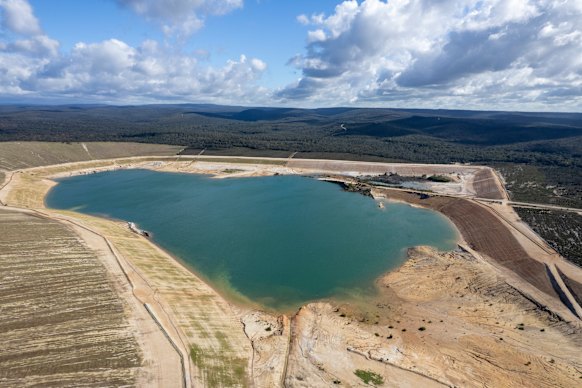
The company had operated the power station for almost 50 years in Anglesea until it ceased operations in the coastal town in 2015, leaving behind a gaping pit where they used to mine coal to generate electricity.
Recently, Alcoa applied for a licence to resume pumping groundwater to fill the pit in the forested hills behind Anglesea. But earlier this month, Southern Rural Water rejected that application.
Anglesea residents, including Keith Shipton, were thrilled. They had argued against granting the licence for Alcoa amid fears of further environmental damage.
Shipton, the Friends of Anglesea River co-founder, said even though his group was confident its argument was backed by science, they had grown increasingly pessimistic about whether the decision would come down in their favour. Or so soon.
They had believed the decision might come after the state election in November.
“We were both surprised and overjoyed,” Shipton said.
Group members launched Freedom of Information requests, a publicity campaign and written submissions in the hope of defeating Alcoa’s licence application.
Since 2015 there have been periods of regeneration in the Anglesea River, including in October 2022 when extended heavy rain flushed it out and allowed seawater to flow back in.
“It was just breathtaking how quickly the whole system recovered,” Shipton said. “The seagrass started growing back, and the fish were thriving.”
But mostly, the river has been in poor health over at least the past decade.
“The creeks should be green veins through the catchment,” Shipton said. “They’re dead.”
Melbourne University environmental geochemistry professor Ralf Haese said it was likely that acidic conditions and low flows in the Anglesea River and surrounding creeks had resulted from Alcoa’s pumping of groundwater. He said it was little surprise Alcoa’s application was rejected.
“It’s the right decision,” he said.
Haese, who has done research on behalf of the Friends of Anglesea River, said pumping groundwater had lowered groundwater levels and increased acidity in the waterways. The pumping had also altered the state of the waterways, he said.
“The wetlands around the creeks and rivers are drying up.”
Haese said it might take decades for the pit to fill without intervention. But he said acidity levels would currently be so high that swimming in the lake posed a health risk and wildlife was unable to grow in the water. However, he said the water could be improved through treatment.
Alcoa ran the power station at Anglesea for 46 years until it closed permanently in 2015. Friends of Anglesea River co-founder and former Alcoa employee Dick O’Hanlon said the company previously released treated water into the Anglesea River.
He said the company used to pump four megalitres of water into the river every day. But O’Hanlon said this meant the full extent of low flows only became apparent later.
“It masked the severity of the problem, although not deliberately,” he said.
The most recent mass fish kill in the Anglesea River occurred last year. The Friends of Anglesea River attributed the fish deaths to the damage that was previously done to the environment, but the company argued it was part of a natural process.
O’Hanlon said Alcoa’s decades of groundwater use had resulted in long-term consequences for the Anglesea River.
“The river now is dead, and it has been since last August.”
Alcoa, however, disputes these suggestions about the effect of its operations on the environment.
Alcoa had applied to extract 1500 megalitres of water from underground over 10 years as part of its plan to rehabilitate the gaping pit and surrounding area. But Southern Rural Water ultimately determined the proposed licence would probably result in small but potentially significant reductions in groundwater levels and river flows.
In a statement, Southern Rural Water managing director Scott Cornish said the pit was expected to fill itself naturally – possibly within 26 years.
It would take about 18 gigalitres of water to fill the pit. By contrast, in 2015 the ABC reported the MCG could hold 1.574 gigalitres of water.
An Alcoa spokesman said its application followed more than four years of detailed technical assessment by experienced consultants. He said that analysis concluded the proposed groundwater use would not impact the environment, including the Anglesea River.
“The analysis identified that Alcoa’s past groundwater extraction has not had any significant impact on acid generation levels in surface water, and we are therefore not clear on what led to this reasoning,” he said.
The spokesman said allowing the pit to fill naturally would take many years and did not support the “timely outcomes” the community and government expected to ensure the site was a safe, stable and sustainable landform.
The company will now determine its next steps, including whether to appeal, which it must do within 28 days of the decision in the Victorian Civil and Administrative Tribunal.
Be the first to know when major news happens. Sign up for breaking news alerts on email or turn on notifications in the app.
 Benjamin Preiss is The Age’s regional editor. He was previously state rounds reporter and has also covered education for The Age.Connect via X or email.
From our partners
Disclaimer : This story is auto aggregated by a computer programme and has not been created or edited by DOWNTHENEWS. Publisher: www.smh.com.au