
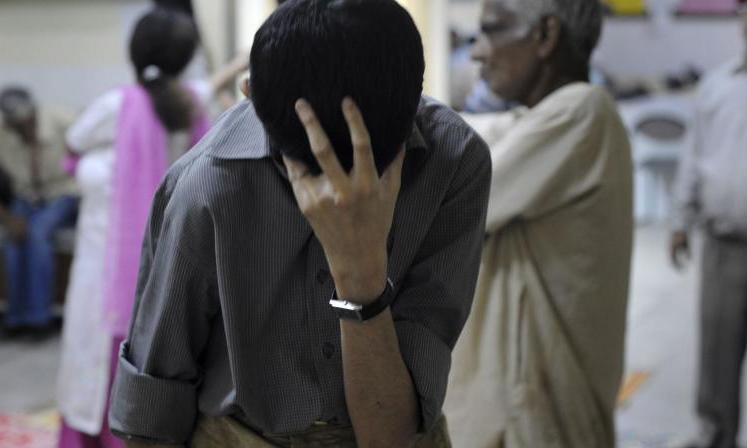
Hyderabad: Nine per cent of students in higher educational institutions reported experiencing suicidal thoughts often or very often in the past year, while 15 per cent recalled a period of severe distress, low mood or anxiety lasting several weeks, according to a nationwide survey by a Supreme Court‑appointed task force.
More than one lakh students in Telangana sought mental‑health support in 2024, the highest figure among States, according to the interim report of the National Task Force (NTF). The report cautioned that the manner in which such data was captured was unclear, making direct inferences difficult.
The survey, which received responses from more than 2.43 lakh students, found that 34 per cent felt like outsiders on campus to varying degrees, while 32 per cent said their institutions did not offer counselling services. Only 56 per cent indicated that they trusted their administration to handle serious issues fairly.
Hyderabad‑based psychologist P. Jawaharlal Nehru said the availability of a professional and confidential counsellor was critical, as students may hesitate to discuss personal issues with teachers. “Expecting a teacher to work as a counsellor is not possible. There must be a psychologist, a professional, a scientifically certified supporting system. If that is not given, appointing somebody does not solve the issue,” he said.
He added that students often need a listener without judgement. Family expectations, academic stress and employment concerns were major sources of pressure. “First say it is okay. Failing is okay,” he said, stressing that parents and teachers should help students deal with failure rather than treating examination results as permanent measures of ability.
The Tele‑MANAS helpline receives 100 to 150 calls a day, rising to around 300 during examination periods, with most callers aged 18 and above.
A student at a Hyderabad university said counselling was easily accessible on campus and free of stigma. “Our university has a counsellor and notices around the campus inform students they can seek help. Getting an appointment is easy and we feel comfortable approaching the psychologist at the Health Centre,” the student said.
Placements were cited as a major source of stress, with fewer companies visiting campuses and some offering low salary packages. Financial concerns also weighed on middle‑class students, with food and tuition expenses adding to the burden. Some students took tuition classes to earn money.
Hyderabad’s Roshini Helpline received 5,610 calls in 2025, of which 2,537 were from people aged 18‑30, the largest age group among callers. Volunteers said many were students, fresh graduates and young professionals. They noted that not every caller was suicidal, with many simply needing someone to listen.
Volunteer Ratna said callers sometimes used clinical terms such as “depression” to describe emotional distress following relationship problems or social‑media experiences. “As listeners, we cannot dismiss their feelings. Our responsibility is to patiently listen, understand what they are going through and help them navigate their emotions,” she said.
The NTF has called for standardised student‑support systems, faculty training, stigma reduction, crisis‑response protocols and regular monitoring of student mental health. It noted that some institutions had no in‑house professional services, leaving students dependent on external help or peer support. The task force cautioned that the survey sample was not representative and said its findings should be treated as preliminary. The final report is expected by October 31.
Disclaimer : This story is auto aggregated by a computer programme and has not been created or edited by DOWNTHENEWS. Publisher: deccanchronicle.com




