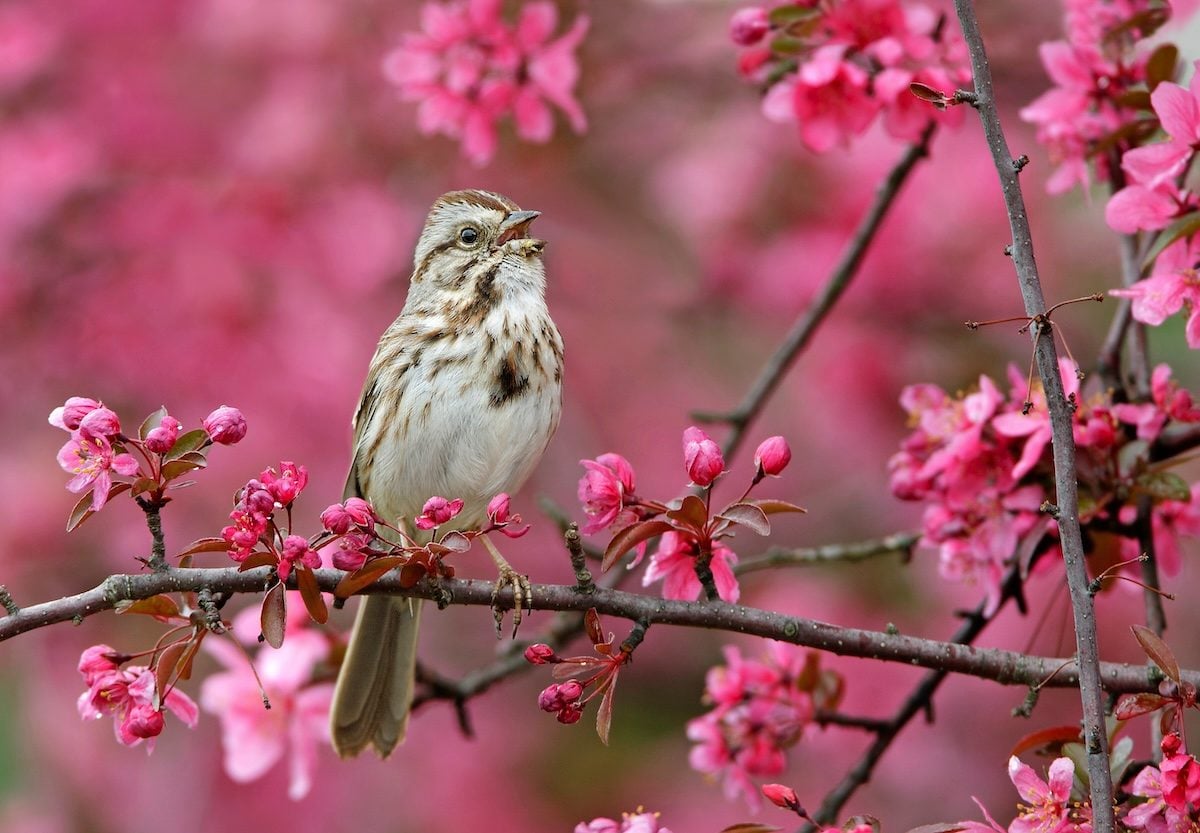
A single, undeniable element kickstarts every day on Earth. It has woven itself into our routines and our hearts for millions of years. Without it, human life feels completely empty. This inescapable constant is music.
From the sharp chime of our morning alarms to the ring of a doorbell, the rattle of a bicycle on the street, or the distant hymns filtering from a neighborhood temple, rhythm is everywhere. Step onto your balcony, and you will hear bulbuls, oriental magpie-robins, or tailorbirds delivering their morning solos. By early morning, the radio fills our homes with sweet melodies, and if you head to the gym, you are immediately driven by heavy workout beats. For humans, music is a spiritual practice, a livelihood, or a field of intense research. It gives us the drive to keep singing our own life stories; without it, existence would be utterly monotonous.
Humans are not the only ones blessed with musical talent. The animal kingdom is packed with creatures that create and utilize sound for critical survival needs, primarily communication. Whether warning their clan about a stalking predator or comforting their young, animals are constantly composing.
Sometimes, this music is completely hidden from us. Creatures like elephants, bats, whales, and dolphins communicate through infrasound—ultra-low frequency waves that bypass human hearing entirely. Furthermore, researchers have shown that while animals like sea lions, parrots, cats, and monkeys cannot naturally produce complex melodies, they can recognize rhythms, appreciate music, and even be trained to play instruments. In the dense canopies of West Africa, chimpanzees use a sophisticated system of vocalizations to coordinate their groups. Similarly, in India’s Manas National Park, the booming calls of Hoolock Gibbons echo for kilometers, each ape possessing a distinct, recognizable voice.
The study of these wildlife rhythms has birthed an entire scientific discipline called Zoomusicology. This field investigates how animals process sound, whether they follow their own musical rules, and how they use these frequencies in their daily lives. A specialized branch, Ornithomusicology, focuses strictly on avian melodies. The terminology has rich roots, with ornithomusicology being introduced by musicologist Peter Szöke in 1963, and zoomusicology coined by composer François-Bernard Mâche in 1983. Scientists in this field compare human and animal compositions to discover what specific neurological triggers drive the creation of music across different species.
The music of the wild is mysterious and beautiful, but it also serves as a profound therapeutic tool for humans. Walking home after an exhausting day, the greeting of a pet or the distant chirp of a bird can immediately lower our stress levels. Nature’s soundtrack has true healing power. For instance, in Slovenia, the rhythmic humming of honeybees is used as a form of sound therapy to help treat sick patients. On a simpler level, lying under a starry sky while listening to the rhythmic, synchronized chorus of crickets and frogs can instantly calm an anxious mind.
Legendary soundscape ecologist and musician Bernie Krause famously used the recordings of forest animals, insects, and birds to treat his own anxiety. After spending decades recording wild habitats, he dubbed this collective natural harmony the “Great Animal Orchestra.” Ultimately, human life is fundamentally incomplete without the voices and frequencies of the animal world. As we celebrate the power of music, take a moment to listen closely to the environment around you, and perhaps even record and explore the unique soundtrack of your own neighborhood.
Disclaimer : This story is auto aggregated by a computer programme and has not been created or edited by DOWNTHENEWS. Publisher: deccanchronicle.com