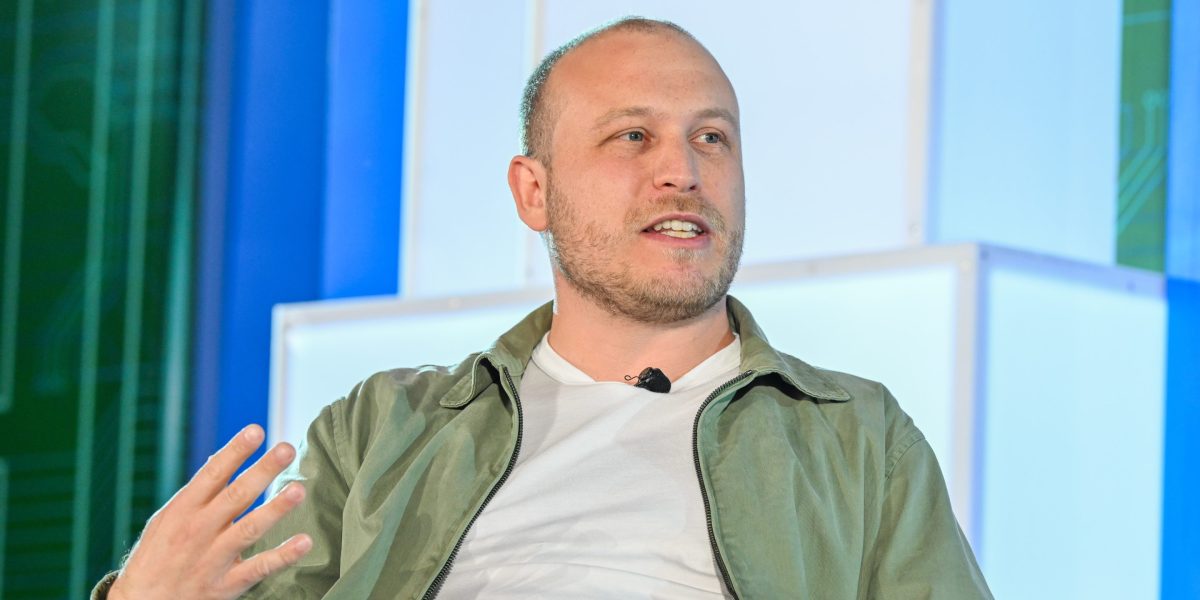
Anthropic is one of the biggest innovators in the trillion-dollar AI industry, having just gone public at a staggering $965 billion valuation, and cemented Claude as one of the most capable assistants on the market. As one of the hottest employers of the AI wave, it has applicants streaming in for six-figure roles. Now, the architect behind Anthropic’s Claude Code, Boris Cherny, just revealed three ways to stand out when applying at the tech giant.
“Number one, we like generalists, because they have context across more than just engineering,” Cherny recently said onstage at Fortune’s Brainstorm Tech conference. “We love people that have context across engineering and design, engineering and product, data science and design.”
While Anthropic is on the hunt for talent that are jack-of-all-trades, it’s also on the lookout for applicants consumed by their own intellect.
Cherny said his second hiring rule is picking candidates with a “low ego,” joining a chorus of CEOs turning away applicants for being too big for their britches. And the AI creator adds that curating a hard-working team of humble employees fosters trusted collaboration among all coworkers.
“Ego just gets in the way of stuff,” Cherny continues. “You want to be okay and safe shipping an idea that might turn out to be bad. It’s not your fault, it’s okay to be wrong.”
The Claude Code architect adds one last requirement to his hiring line-up: being able to admit failure, and move on. The characteristic feeds back into that “low ego” archetype of talent that embraces criticism from others—especially clients.
“The third thing is we love empiricists. So people that are learning from the data, and that are anchored to reality,” the AI leader said. “Like, ‘I have a brilliant idea, but then I talk to a customer and they told me that I’m wrong. I’m probably wrong.’ And, ‘I should probably throw out that idea and try something else. And that’s okay.’”
Leaders at Chanel, Olipop, and Twilio avoid hiring big egos
Cherny isn’t the only employer allergic to hiring talent with big egos; Ben Goodwin, the CEO and cofounder of probiotic soda brand Olipop, couldn’t agree more.
The entrepreneur cautioned against hiring professionals that are so focused on their own success that they can’t collaborate: “We cannot hire people whose personal egos are ever bigger than the mission of the team,” Goodwin told CNBC in 2025.
Claire Isnard, the ex-CPO and COO of luxury fashion house Chanel, is focused on personality when it comes to hiring. The first thing she look for is values, and how they would fit in within the culture of the 116-year-old historic brand. The best candidates hit Chanel’s “high standards” of excellence, integrity, and collaboration, Isnard said. And that includes working together as a team without an inflated sense of pride.
“If people have big egos and want to work solo or are mercenaries doing things only for the short-term, they’re not going to fit,” Isnard told Fortune last year.
CEOs also raise an eyebrow when candidates say “I” a lot within interviews.
Wisp CEO Monica Cepak says when she asks applications about the hardest problem they’ve solved at work, those who never drop the word “we” ultimately “can’t work well in an environment like ours,” the leader said. And Twilio CEO Khozema Shipchandler has echoed the same red flag.
It may sound counterintuitive to tried-and-true strategies in getting hired; job-seekers are advised to speak on their own accomplishments, so it’s only natural that they reference themselves. But the chief executive of the $32 billion cloud communications platform believes using “I” too often signals that candidates aren’t collaborative or leadership-ready.
“I don’t really think that demonstrates leadership particularly well. What I do is easy because people are supposed to listen to me. I can bark orders and ideally they follow them,” Shipchandler told Fortune in 2025. “But the hard leadership is when you’re not in charge. How do you get people, through data, passion, charisma, persuasion, to get people to do things? I really try to test for that.”
Disclaimer : This story is auto aggregated by a computer programme and has not been created or edited by DOWNTHENEWS. Publisher: fortune.com