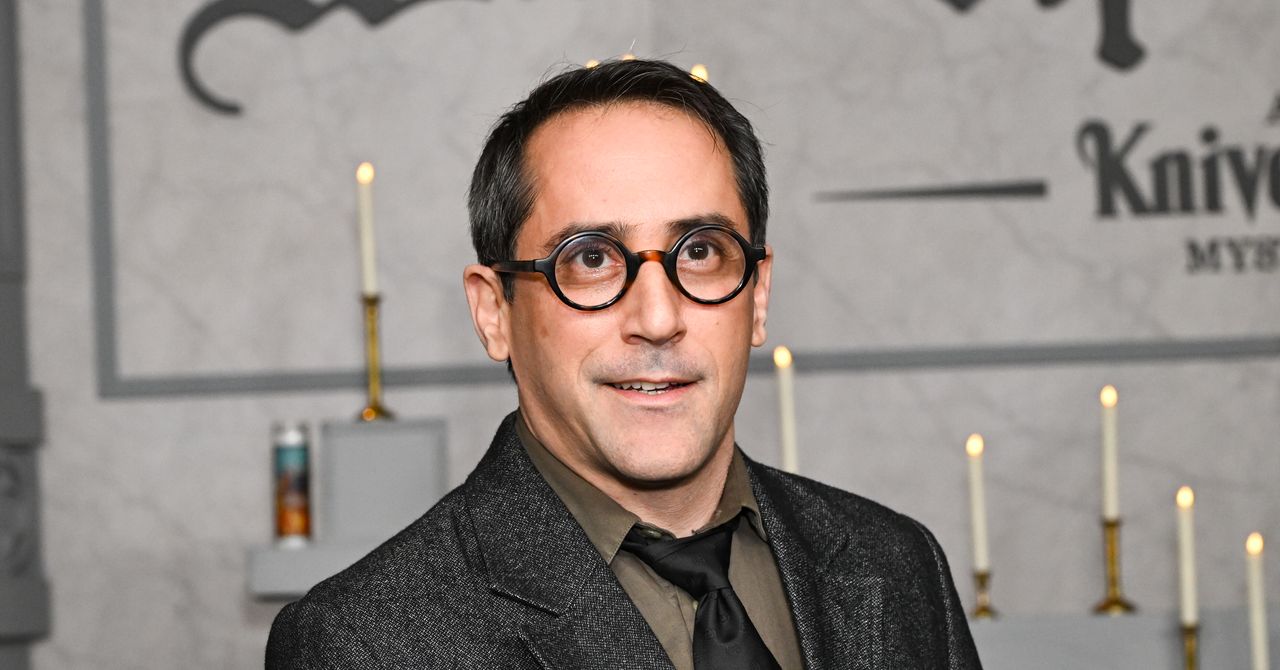
Steve Yedlin is a certified color nerd. He almost immediately starts explaining “the math” behind his passion for color science.
But I didn’t call to chat about psychophysics or color theory. I called to talk to Yedlin about his Chromagraph Camera app, newly released, virally popular, and available only on the iPhone.
Yedlin is a longtime collaborator with director Rian Johnson, shooting his films like Knives Out and Star Wars: The Last Jedi. The duo teamed up again for this launch. “I write all of my own image processing that we use on the movies,” he says. The Chromagraph Camera app brings a taste of Yedlin’s special sauce to your smartphone camera.
Instead of the iPhone’s built-in image processing, this app shoots RAW image data and processes it with a similar formula to what he uses in film production. After Johnson promoted Chromagraph Camera on social media in late October, it quickly became the top paid download in the iOS store. The app costs a one-time fee of $13 and only shoots still photos. (There’s no video support yet.)
I am far from the resident photography nerd on WIRED’s gear team. (That award goes, in part, to my wonderful editor, Julian.) I’m often just whipping out my iPhone and snapping a picture with the default settings. Even so, I really enjoyed capturing some of San Francisco’s fall vibes using the Chromagraph Camera. Although Apple gives iPhone owners plenty of built-in tools for adjusting the color on your own images, I loved this app’s ability to capture highly stylized shots without me needing to fiddle with anything at all.
When you open the app, what you see in the viewfinder before snapping the shot is not what the Chromagraph Camera will spit out. The photo is essentially “developed” in the app after you capture the image. This is because the app needs a moment to run its unique processing for the specific tone, color, and grain effects. You can also alter how an image looks in the app after it’s processed, if you want to tweak the overall exposure or texture of an image.
Yedlin is adamant that he’s not attempting to replace your iPhone camera app or release a professional tool for editing everything. It’s all about that color, man. “It’s just this curated app that takes the pictures the way we like,” he says. Yedlin and Johnson teamed up with programmer Eric Cameron to build the app centered around their color tastes, experimenting with it for a couple of months before launch.
Even after all of this custom image processing, Yedlin still sees the iPhone as a fundamentally limited device. “This idea that you can actually have the control that a professional camera would have is not really true anyhow,” he says. Software can only do so much to change how hardware works, especially when developing an app within Apple’s parameters that limit how far the software can push the phone’s hardware.
As advances in computational photography and generative AI have renewed discussions about what a smartphone photo even is anymore, Yedlin’s approach isn’t an attempt to find a sense of neutrality. He doesn’t see any image as a literal rendering of what exists. It’s always an interpretation, whether that’s a stylized, artful depiction or a more stagnant shot. He says that the look of the Chromagraph Camera app is consciously “opinionated” and specific.
“You can describe how the different rendering looks in words, but you just have to look at it,” he says. The color speaks for itself.
Disclaimer : This story is auto aggregated by a computer programme and has not been created or edited by DOWNTHENEWS. Publisher: wired.com