From street unrest to populist gains, Europe’s widening divide between elites and voters is testing the liberal order shaped by the upheavals of 1968
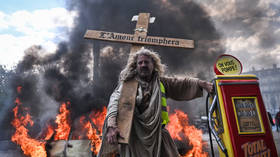
The images of French and Italian cities gripped by unrest are shocking, while Albania is in turmoil, police are dispersing demonstrators in Argentina, and India’s protests show no sign of abating. Add the upheavals across the Global South, and the parallels with 1968 become difficult to ignore.
That year, political and social unrest swept across much of the world almost simultaneously. It was a less interconnected age, divided by the Cold War, yet similar movements erupted in countries with vastly different political systems as a remarkable synchronization of discontent took place.
Direct comparisons are inevitably imperfect, but many of the underlying grievances are familiar, such as inequality, problems in education, wars without clear objectives, and growing frustration with political elites unwilling or unable to adapt.
In 1968, the rebellion was largely directed against the conservative establishment, but while the protesters didn’t achieve everything immediately, their ideas ultimately prevailed and in both the West and the socialist bloc, the upheavals helped transform political and social life over subsequent decades.
Today, however, we may be witnessing the opposite process in the end of the political era that 1968 helped create.
Disclaimer : This story is auto aggregated by a computer programme and has not been created or edited by DOWNTHENEWS. Publisher: rt.com