It’s been a week since Prince William and Kate Middleton’s India visit, but even today everybody is talking about the jewellery pieces worn by the princess of Wales. The lapis lazuli and diamond drop earrings by Jaipur-based jewellery house Amrapali, the same pair she wore during the royal couple’s 2016 visit to India. While the exact price of Kate’s custom-made Amrapali earrings has not been publicly confirmed, similar designs from the Jaipur-based jewellery house have been valued at approximately $2,900 (around Rs 2.69 lakh). Some reports have placed comparable pieces closer to $3,500 (approximately Rs 3.24 lakh).
Kate had worn the earrings while travelling on the Mumbai metro on November 16, with
her cobalt dress by Roksanda, she paired the blue gemstone pieces beautifully. “She has a very warm and distinct personal style. Her sense of bold colour shows her confidence,” says Abhay Mehta, Founder of Mehta Jewelery. “Jewellery is meant to be worn again and again.
It develops your individuality and confidence like nothing else,” he notes.
A stone with a story
From royal courts to family heirlooms, India’s relationship with gemstones goes far beyond their use as accessories. Different religions have different techniques and styling including Kundan, polki, meenakari and gemstones. Aditi Daga, Co-founder and Head of Design at Angara, believes Kate’s jewellery choices highlight the historical connection between emeralds and Indian artistry. “Princess Catherine pairing Queen Elizabeth II’s emerald-and-diamond tassel suite with a crimson Anarkali in Mumbai is a wonderful reminder of how deeply emeralds are woven into India’s artistic history,” she says.
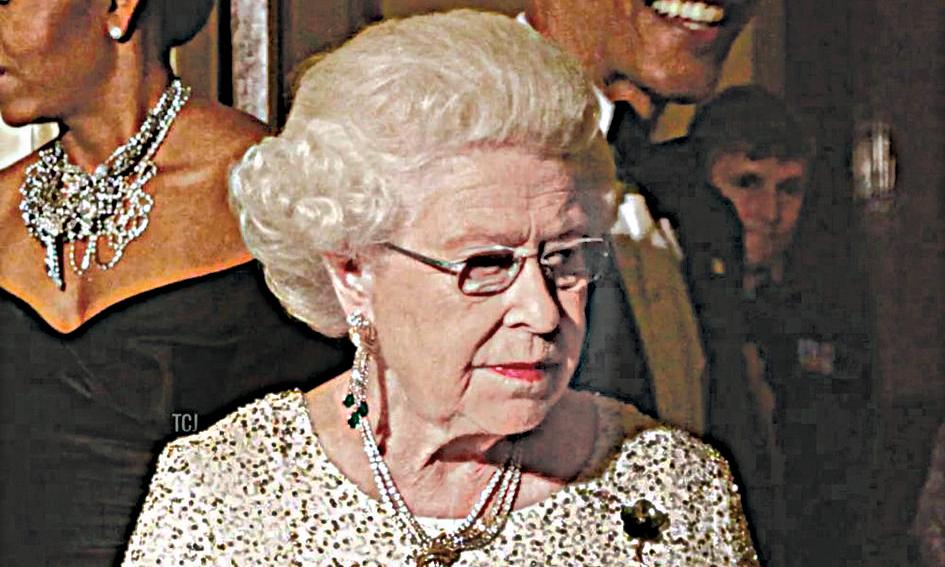
The Amrapali earrings were not the only instance of Indian gemstone craftsmanship finding its way into Kate’s wardrobe during the visit. At another engagement in Mumbai, she paired a crimson Anarkali with Queen Elizabeth II’s emerald-and-diamond tassel suite. The choice brought another Indian gemstone into focus and showed how traditional jewellery can complement both contemporary and occasion wear. From the deep blue of lapis lazuli to the rich green of emeralds, the visit offered a glimpse into the variety and lasting appeal of gemstone jewellery. “Indian designs are very simple, and timeless. And our Craftsmanship enhances the wearer’s natural elegance. There couldn’t be a better symbol of natural elegance, other than Kate,” says Mehta.
Royal Heirlooms Return
Royal wardrobes are closely followed by fashion publications. When a globally recognised public figure chooses to wear an Indian label again, it creates an opportunity for audiences to discover the design house and the craftsmanship associated with it. Rhea Poddar Loyalka, Creative Director of Deshya by Ma Passion says, “Kate’s choice reflects a considered, sentiment-led approach to personal style, where jewellery is not disposable, but an enduring chapter in one’s story.”
The uniqueness of Indian gemstone jewellery lies in the skill behind each piece. Hand fabrication, kundan setting, meenakari enamelling and gemstone carving require patience and considerable artisanal expertise. “Every stone’s colour, texture, and character guide a one-of-one design that feels both rooted and distinct,” she explains. This attention to detail is what gives traditional jewellery its character.
Indian craftsmanship
The rich green stone has long featured in traditional ornaments, from elaborate necklaces to intricately carved statement pieces. Its appeal lies not just in its colour, but also in the character of each stone. Daga suggests pairing minimalist emerald studs, a solitaire pendant or an east-west emerald ring with a crisp white shirt and denim. Delicate emerald necklaces layered with fine gold chains can also add colour without making an outfit feel overly formal. For festive and wedding dressing, deep green stones paired with traditional reds, maroons or ivory continue to make a striking combination. “The secret to styling emeralds right now is letting the colour do the heavy lifting against clean, uncluttered silhouettes,” she says.
Cutting Edge Style
Kate’s support for Indian designers extended beyond jewellery and traditional occasion wear. For her final engagement in New Delhi, where she met PM Narendra Modi on November 18, the Princess of Wales chose a custom deep-plum pantsuit by Indian couturier Gaurav Gupta. “Indian jewellery has always been regarded very highly globally. Kate’s choice is a reaffirmation of this” pens Mehta. “Styling Indian jewellery with contemporary wear can be very interesting and fun. It’s all about understanding your own personality. Choose the one jewel that you like – and wear it with confidence.”
There is also something refreshing about seeing a royal repeat an accessory rather than treating every public appearance as an occasion for something new. For Indian jewellery makers, these moments are a reminder that Indian craftsmanship has its own story to tell. Sometimes, all it takes is a familiar pair of earrings to get the world looking in its direction.
Disclaimer : This story is auto aggregated by a computer programme and has not been created or edited by DOWNTHENEWS. Publisher: deccanchronicle.com