Victorian Treasurer Jaclyn Symes has handed down her second budget, promising cost-of-living relief for commuters and a long-awaited return to a modest operating surplus.
Here are the biggest winners and losers from this budget.
WINNERS
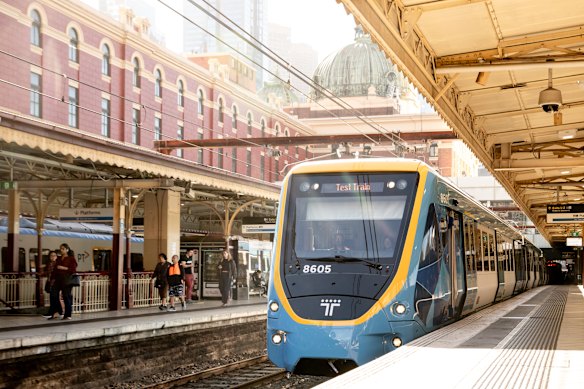
Public transport users: Public transport remains free in April and May, then fares will be half-price for the rest of the year, in a $432 million investment. Another $100 million has been put towards upgrading bus routes across Melbourne and regional Victoria, $673 million towards 25 new X’Trapolis 2.0 trains and $77.5 million for extra services. The fare discount, which the government says is a response to soaring fuel prices caused by the war in the Middle East, is a win for commuters with easy access to trains, trams and buses. But the big spend does little to help those in outer suburban and regional areas which are less well serviced, and has sparked warnings it could add to inflation. Angus Delaney
Motorists: Hundreds of thousands of potholes and graffiti tags will be repaired and removed with Labor committing $1.04 billion to repairing roads. $758.5 million has been set aside to give Victorians a 20 per cent discount on their vehicle registrations. Treasurer Jaclyn Symes claimed the funds would be enough to get rid of 200,000 potholes and 200,000 graffiti tags. Registration rebates are aimed at relieving the pressure motorists are facing at the petrol pump and provides a sweetener for those in outer suburbs and regional Victorians who have limited access to public transport. The rebate is not automatic: motorists must apply through the Service Victoria portal between June 1 and July 31 this year. There are also questions about whether the government will be able to fulfil its road repairs target. In the 2024-25 financial year 566 thousand square meters of regional roads were patched, but the government’s target this year is just 74 thousand. Angus Delaney, Cara Waters
Sick kids: More than $109 million will be spent on delivering 45,000 additional specialist appointments for children with medical issues and 4000 more planned paediatric surgeries. For too long, children have had to wait too long to see a specialist in the state’s strained hospitals. Many parents have resorted to crowd-funding to access timely care in the private system, while others have protested in the halls of hospitals. The government has acknowledged that this is a statewide issue, and it’s hoped that his targeted investment alleviates some of the financial and emotional burden experienced by families who are already navigating incredibly stressful situations. Henrietta Cook
Colonoscopy patients: Colonoscopies will be made available to more Victorians after the state government announced it would spend $27 million purchasing new equipment and establishing endoscopy access teams. For many years, Victorians have faced lengthy and agonising delays to access colonoscopies in the public system. Demand is only increasing for these tests, as bowel cancer rates rise among younger Australians. Changes to the National Bowel Cancer Screening Program have also fuelled demand, with the eligible testing age dropping from 50 to 45. This budget measure will be welcome news to those who have previously had to fork out thousands to access the life-saving tests in a timely manner in private hospitals. Henrietta Cook
Off-the-plan and first home buyers: The government has extended stamp duty concessions for all off-the-plan purchases for another six months. The concession will be in place for eligible contracts signed before April 21, with buyers saving an average of $30,000. First home owner grants of $10,000 and stamp duty exemptions and reductions for eligible first home buyers have been continued. The off-the-plan concession has been used to fund luxury developments in Melbourne’s leafy inner east – saving some wealthy buyers more than a million dollars in stamp duty. First home buyer grants have come under criticism from Infrastructure Victoria and others for representing a poor use of taxpayers’ money, with much of the benefits flowing to property developers through inflated prices rather than to the first home buyers. Treasury is expecting house prices to decline this year, further opening the market for first home buyers. However, rising interest rates may temper demand and limit loan serviceability. Daniella White, Cara Waters
Youth crime and community safety: Labor will spend more than $200m increasing capacity in the state’s jail system, plus more than $100m on a specialist youth court. The budget will also inject more than $80m to early intervention programs to tackle youth crime. More than $60m will also go towards recruiting 200 police reservists to man counters at police stations. The latest crime statistics show that youth offending continued to rise in 2025, despite the government’s bail and sentencing changes. With an election only six months away, Labor is hoping its investment will help minimise crime as an issue in the minds of voters. The government’s bail changes have also diverted resources and clogged the courts, forcing Labor to direct cash into a special fast-tracked youth court in this budget. Annika Smethurst
Kids with a disability: The budget includes $2.5 billion in funding for Thriving Kids, a program also backed by the Commonwealth government which supports children aged eight and under with developmental delay and/or autism with low to moderate support needs. Students with disabilities are set to benefit from a $2.1 billion spend over four years to improve support for disabled children in government schools. The government also pledged $23 million to high intensity out-of-hours care at 31 specialist schools and $39 million for extended transport assistance for specialist school students, taking the pressure off their parents. Funding in the disability sector in this budget is aimed at kids rather than adults. More than 80 group homes for disabled residents have been closed and carers started industrial action this year as the state funding crisis in the sector worsened. Cara Waters, Noel Towell
Low-to-mid fee private schools: Some of these schools will get a reprieve from the government’s payroll tax that sparked fury in the sector in 2024, when Labor removed a tax exemption for schools taking in $15,000 or more per student each year in fees and other income. The budget papers reveal that a review of the arrangement, originally slated for 2029, had been fast-tracked and the income threshold will increase by more than 9 per cent from July 1, to $16397. Noel Towell
LOSERS
Future taxpayers: The government has posted its first operating surplus in seven years at $727 million. But debt has hit $175.5 billion – $10 billion higher than last year. By 2030, debt will reach just shy of $200 billion. For economists and ratings agencies concerned about rising state debt – and future taxpayers who will need to pay it down – the surplus does little to reassure them. Debt, compared to the size of the state economy, is forecast to decline gradually from 24.9 per cent in June 2027 to 24.4 per cent in June 2030. But that level remains significantly higher than the pre-COVID years: net debt to gross state product sat at 3.8 per cent in 2026/27. Angus Delaney, Patrick Hatch
Ambulance patients: The budget makes an effort to help paramedics deliver faster and more responsive care, with $50.7 million of funding to help paramedics return to the road sooner to deliver timely care. This investment includes $9.7 million to improve the way Triple Zero Victoria triages emergency calls and $10 million to improve ambulance transfers to emergency departments during peak periods. This budget paints a grim picture of emergency care: with just 65 per cent of code 1 “lights and sirens” ambulance callouts expected to be responded to within 15 minutes this financial year. This is significantly lower than the statewide target of 85 per cent. The budget papers attribute this to ongoing demand for code 1 responses, increasingly sick and complex patients and potential bottlenecks in hospitals. It remains to be seen whether these measures can bridge the massive gap between the current waiting times for ambulances and the lifesaving standards Victorians expect. Henrietta Cook
Public housing tenants: The government failed to meet its target for the total number of social housing dwellings added in 2025-26. According to the budget papers, 2068 homes are expected to be added to the state’s social housing stock this financial year. That is below the target of 2358 and fewer than the 2392 added in 2024-25. The average waiting time for social housing for long-term clients who received priority access housing or transfer allocation was more than 18 month which is well above the government’s target of 10.5 months and above the 2024-25 waiting time of 17.2 months. Daniella White
Police: The budget allocates $222 million to policing and community safety, spread across a series of smaller operational measures rather than a single big-ticket investment, as Victoria Police doubles its recruit intake to address a shortage of more than 1500 vacant positions amid crime rates hitting a 10-year high. It includes $62 million to recruit up to 200 police reservists to staff station counters, alongside $55 million to replace ageing equipment and $51 million to deploy 50 new protective services officers and extend Operation Pulse. A further $35 million will fund mobile devices and evidence-recording upgrades, with $9.9 million for custody cell upgrades and a custodial doctor, and smaller allocations targeting extremism, hate crime and officer mental health. Annika Smethurst
Start the day with a summary of the day’s most important and interesting stories, analysis and insights. Sign up for our Morning Edition newsletter.
From our partners
Disclaimer : This story is auto aggregated by a computer programme and has not been created or edited by DOWNTHENEWS. Publisher: www.smh.com.au