
It’s still months until we reach the peak of summer, but temperatures across south-east Queensland are already climbing into the mid-30s.
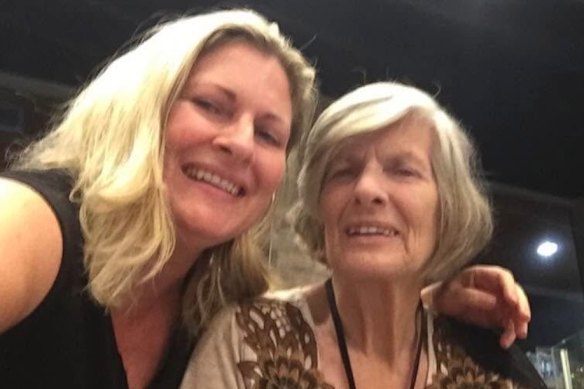
Hot weather would usually see Michelle Byard planning a three-hour round trip to collect her 85-year-old mother from Sunshine Coast.
Byard’s mum lives independently, but she manages a heart condition and her rental does not have sufficient cooling. When the weather heats up, Byard prefers to bring her down to Brisbane.
“The landlords haven’t put in air-conditioning for her, so we’ve had to get a portable device,” Byard said.
“But in the middle of summer … it’s not that effective, and still does cost extra money to run.
“I have air-conditioning, and can afford to pay for it, so I bring her here.”
Byard has good reason to be concerned. A new study has found older adults living in hot south-east Queensland homes are at greater risk of heart stress, with heart rates doubling in some instances.
The research, led by Griffith University and published on Thursday, collected data from nearly 50 community-dwelling adults in south-east Queensland aged 65 years and older.
Between December 2024 and March 2025, the participants were given wearable fitness trackers to monitor heart rate, and their homes were fitted with temperature gauges and humidity sensors.
The results showed indoor temperatures above 26 degrees increased the age group’s cardiovascular stress, doubling their heart rate in some instances, compared to temperatures below 26 degrees.
Lead author Dr Fergus O’Connor from Griffith’s School of Allied Health, Sport and Social Work said the findings reflect the World Health Organisation’s recommended indoor occupancy threshold of 26 degrees.
“Physiologically, it makes sense. As temperatures get higher, the cardiovascular [blood] vessels and system has to work harder and harder,” he said.
For every one-degree increase in indoor temperature, heart rate increased by approximately 0.6 beats per minute.
Co-author Dr Aaron Bach said when the mercury reached or exceeded 26 degrees, heart rate increased by 1.3 beats per minute per degree Celsius.
“[That’s] nearly double the rate observed below the threshold,” Bach said.
O’Connor said while marginal increases in heart rate may seem inconsequential, stress is easily elevated in older adults.
“It starts adding into the thousands of additional beats in a day that otherwise wouldn’t have been made,” he said.
“The stress keeps compounding.”
As a member of the Queensland Community Alliance and a health worker, Byard isn’t surprised by the findings and said older people worry over summer.
“For years I’ve been aware that extreme heat, the summers here in Queensland in particular, are causing stress for people,” she said.
“It’s not only discomfort; it’s around their health as well.”
Sweltering Cities founder Emma Bacon said the findings should be a wake-up call that more needs to be done to minimise the risks associated with heat and dangerously hot homes.
“Unfortunately, too many people are in low-energy efficiency homes that get hot and are expensive to cool,” Bacon said.
“The percentage of older Queenslanders living in rentals is increasing, which means they’re more likely to be living in a home that puts their heart health at risk.
“A clear way to make sure older Queenslanders aren’t being put at risk of heart health issues is to bring in minimum standards for rentals – all of us need healthy housing.”
Start the day with a summary of the day’s most important and interesting stories, analysis and insights. Sign up for our Morning Edition newsletter.
From our partners
Disclaimer : This story is auto aggregated by a computer programme and has not been created or edited by DOWNTHENEWS. Publisher: www.smh.com.au