
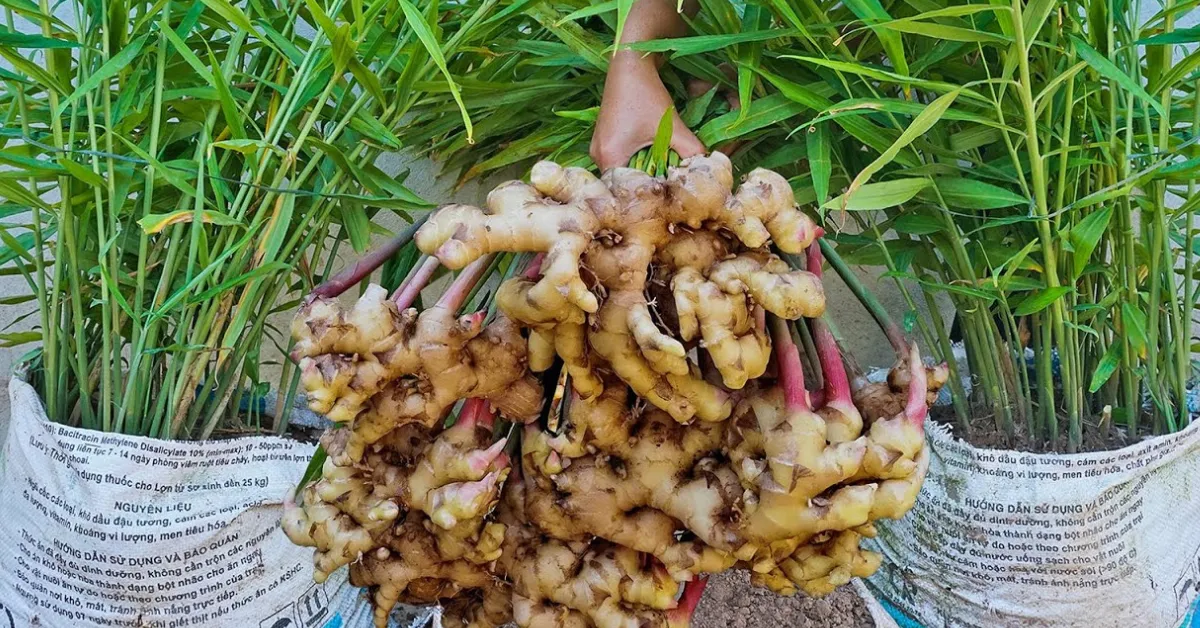
When Kerala farmer Omana Devasya planted ginger in a few grow bags a couple of years ago, she was just experimenting with a method she had learnt during a farming workshop.
She had no idea that the humble spice would become one of the most rewarding crops in her garden. Season after season, her harvests grew larger. Some of her grow bags produced up to 4.5 kg of ginger, proving that a generous harvest does not require acres of farmland.
Her success comes down to a few simple practices, one of the most important being timing.
For gardeners across India, the weeks before the heavy monsoon arrive offer the perfect opportunity to plant ginger. Warm temperatures, increasing humidity and the promise of regular rainfall create ideal conditions for the crop to establish itself. By the time the rains are in full swing, the plants are already settled in and ready to grow abundantly.
The best part is that ginger is extremely forgiving. Whether you have a backyard, terrace or a sunny corner on a balcony, it can survive in containers with very little fuss.
Why timing matters
Ginger loves moisture, but it does not enjoy sitting in waterlogged soil. Planting before the monsoon allows the rhizomes to develop roots while the soil remains warm and well aerated. Once regular showers begin, nature takes over much of the watering, helping the plants put on healthy growth through the rainy season.
Gardeners who wait until heavy rains have already set in usually struggle with poor drainage and rotting rhizomes. Starting early gives the crop a stronger foundation.
1. Begin with healthy planting material
A good harvest starts with selecting the right ginger.
Choose fresh, firm rhizomes with visible buds or eyes. Avoid pieces that look shrivelled, soft or mouldy.
If the rhizomes are large, cut them into smaller sections, making sure each piece has at least one healthy bud. Leave them in a shaded spot for a day so the cut surfaces can dry. This reduces the chances of fungal infections after planting.
2. Prepare a container that drains well
One reason Omana’s method works so well is that it keeps excess water away from the rhizomes.
Use a grow bag, sack or large container that is at least 12 to 15 inches deep. Make sure there are enough drainage holes at the bottom. Before adding soil, place a layer of dry leaves, coconut husk or other coarse organic material at the base. This helps excess rainwater drain away during the monsoon.
3. Create a nutrient-rich growing mix
Ginger grows best in loose, fertile soil rich in organic matter.
An easy mixture can be prepared using:
- One part garden soil
- One part sand
- One part well-decomposed compost or cow dung manure
Mix thoroughly and fill the container halfway. The sand prevents the soil from becoming compacted, while the compost provides the consistent nutrition that ginger requires over several months.
4. Plant and mulch
Place the ginger pieces on the soil with the buds facing upwards.
Cover them with a few centimetres of the soil mixture and then spread a layer of mulch on top. Dry leaves, straw and coconut husk all work well.
/filters:format(webp)/english-betterindia/media/media_files/2026/06/10/growing-ginger-at-home-2026-06-10-08-34-20.png)
Mulching helps retain moisture, suppresses weeds and protects the soil from being washed away during heavy rainfall. Within a few weeks, fresh green shoots will begin appearing from the surface.
5. Feed the plants as they grow
Once the shoots are established, add compost or organic manure around the base of the plants every few weeks.
Many experienced growers also practise earthing up, which involves adding fresh soil around the stems as they grow taller. This encourages the rhizomes to expand beneath the surface and can considerably improve yields by harvest time.
6. Keep an eye on moisture
The soil should remain moist but never soggy.
Water thoroughly after planting. Afterwards, allow the weather to guide you. If the monsoon has arrived and the soil remains damp, additional watering may not be necessary. Good drainage is far more important than frequent watering.
7. Knowing when to harvest
Growing ginger requires patience.
For several months, all the action takes place beneath the soil while the leafy stems continue to grow above ground. As the crop matures, the leaves slowly begin turning yellow and drying out. This is a sign that the rhizomes are ready.
/filters:format(webp)/english-betterindia/media/media_files/2026/06/10/growing-ginger-at-home-2026-06-10-08-38-16.png)
Carefully loosen the soil and lift the ginger by hand. What started as a small planting piece months earlier will have multiplied into a generous harvest.
A crop that almost grows with the monsoon
After months of rain and patient waiting, pulling a cluster of homegrown ginger from the soil feels rewarding. Perhaps that is why it remains a favourite among home gardeners. It asks for little more than healthy soil, consistent moisture and a bit of patience.
As Omana realised years ago, getting the timing right can make all the difference. Plant before the heavy monsoon begins, and the rains themselves will help nurture a crop that repays you long after the season has passed.
Disclaimer : This story is auto aggregated by a computer programme and has not been created or edited by DOWNTHENEWS. Publisher: thebetterindia.com



