In most city homes, water moves through daily life without much attention. It comes in, is used briefly, then disappears down the drain. A bath in the morning, washing up after meals, a cycle in the washing machine, and the day carries on.
However, a large portion of this water is still usable because it has been used only lightly. This is greywater. In crowded urban areas where water supplies are often under strain, reusing it can ease pressure on freshwater sources and reduce waste at the household level.
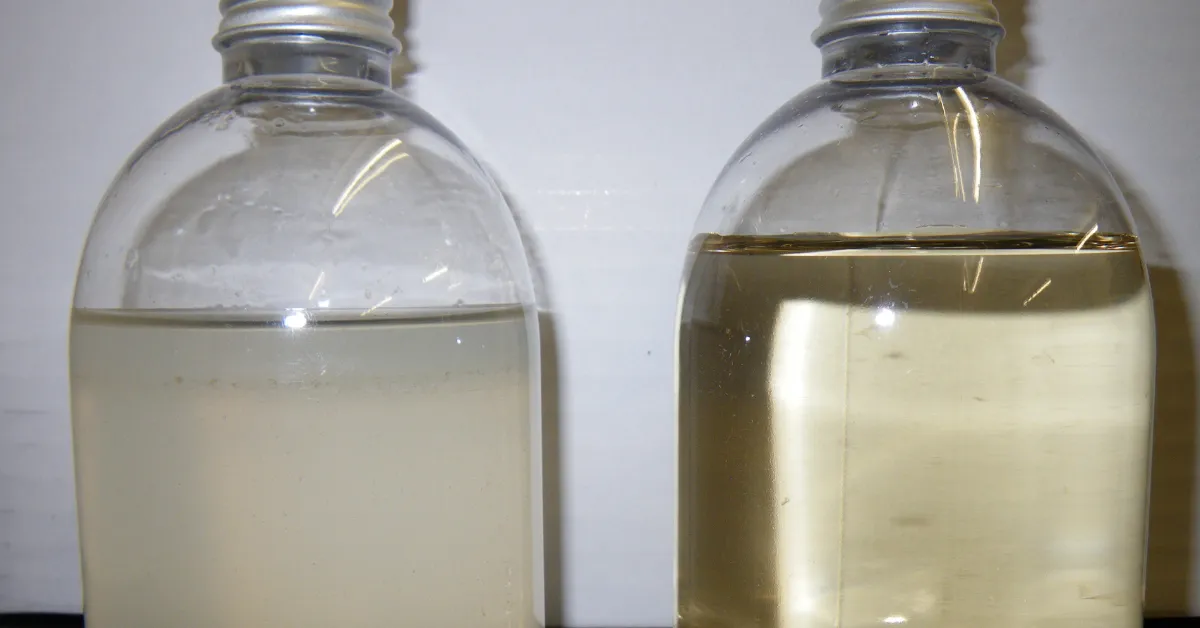
Greywater recycling simply means collecting this used water, giving it minimal treatment, and using it again for tasks that do not require clean drinking water.
What counts as greywater
- Water from bathroom sinks and wash basins.
- Water from showers and baths.
- Water from washing machines.
- Kitchen sink water, only if it is free from heavy grease or food waste.
Greywater does not include toilet waste, as that requires separate treatment and cannot be reused in basic household systems.
Setting up greywater recycling at home
1. Identify sources in your home
The first step is to understand where used water is generated. In most homes, bathrooms and washing machines are the main sources. Observing daily water flow helps you decide what can be reused and what should remain separate. This step is simple but important, as it forms the base of the entire system.
2. Separate greywater from toilet waste
Greywater must never mix with toilet drainage. Keeping these two systems separate is crucial for safety and hygiene. In some homes, especially older ones, this may require small plumbing adjustments. In newer buildings, it is often easier to plan or modify. The idea is to confirm that only lightly used water is collected for reuse.
3. Install basic filtration
Before greywater is reused, it should pass through a minimal filtering system. A basic mesh can remove hair, lint, and other small particles. Some households also use layers of sand or gravel to improve filtration. This does not fully clean the water but makes it suitable for non-drinking purposes and prevents blockages in pipes or storage containers.
4. Store or use the water quickly
Greywater should not be stored for long periods. When kept too long, it can develop a smell and bacteria. It is best used within one or two days. Depending on your setup, it can be directed into a small storage tank or used immediately after collection. Quick use guarantees better hygiene and easier maintenance.
/filters:format(webp)/english-betterindia/media/media_files/2026/04/28/reusing-greywater-in-homes-2026-04-28-11-45-04.png)
5. Reuse the water in practical ways
Once collected and filtered, greywater can be used for everyday tasks that do not require clean drinking water. It can be used for watering plants, flushing toilets, cleaning floors, washing outdoor areas, and maintaining balcony or terrace gardens. These uses help reduce dependence on fresh water for routine chores.
Easy tips to follow
- Use mild or biodegradable soaps to protect plants and soil.
- Clean filters regularly to avoid clogging and bad odour.
- Begin with one source, such as washing machine water, before expanding.
- Keep the system simple, so it is easy to maintain in daily life.
- Use balcony or terrace plants as an easy starting point for reuse.
- Avoid storing greywater for long periods.
- Seek basic plumbing advice if pipe changes are needed.
Greywater recycling does not require large infrastructure or complicated systems. It begins with small observations about how water is used at home and how it can be reused instead of wasted.
/filters:format(webp)/english-betterindia/media/media_files/2026/04/28/reusing-greywater-in-homes-2026-04-28-11-52-04.png)
In urban environments where water demand continues to rise, these small household changes casustan add up to a significant impact over time. It is less about altering lifestyle and more about making everyday routines slightly more mindful and resource-conscious.
Disclaimer : This story is auto aggregated by a computer programme and has not been created or edited by DOWNTHENEWS. Publisher: thebetterindia.com