With the growing threat of hybrid attacks from Russia, Germany wants to equip its spy agencies with new powers. From espionage to sabotage, here’s what the secret service could be allowed to do in the future.
Scarred by memories of state survellience during the Nazi and Cold War eras, Germany has generally kept its secret service under strict control.
But in the face of increased aggression from Russia – including potentially deadly drone attacks – the government believes it’s time to upgrade their intelligence capabilities.
That’s why the CDU/CSU and SPD coalition have put together a set of proposed reforms that could grant intelligence operatives new powers to investigate, monitor and respond to threats. The reforms will turn the agencies into “real secret services”, Chancellor Friedrich Merz (CDU) has claimed.
The draft law, which has already been approved by cabinet, is set to be debated in parliament on Thursday. Here’s what it could mean for foreign and domestic intelligence.
What additional powers could the foreign intelligence agency have in future?
The most significant change is that the foreign intelligence agency (BND) could respond directly to a threat in future – for example, by destroying the IT systems of a state-directed hacking group.
It could also be able to manipulate production or supply chains to impede the manufacture of drones, weapons or explosives that may be used to threaten Germany.
According to BND president Martin Jäger, the powers could be used in response to an increasingly aggressive Russia. “I am deeply convinced that we should show much more often that we are capable of doing very similar things, so that the other side feels the pain too,” he said at the Munich Security Conference.
Assassinations, however, are still not intended to become part of the repertoire of Germany’s intelligence services.
READ ALSO: Germany looks to give spy services more cloak-and-dagger powers
And what about the domestic intelligence agency?
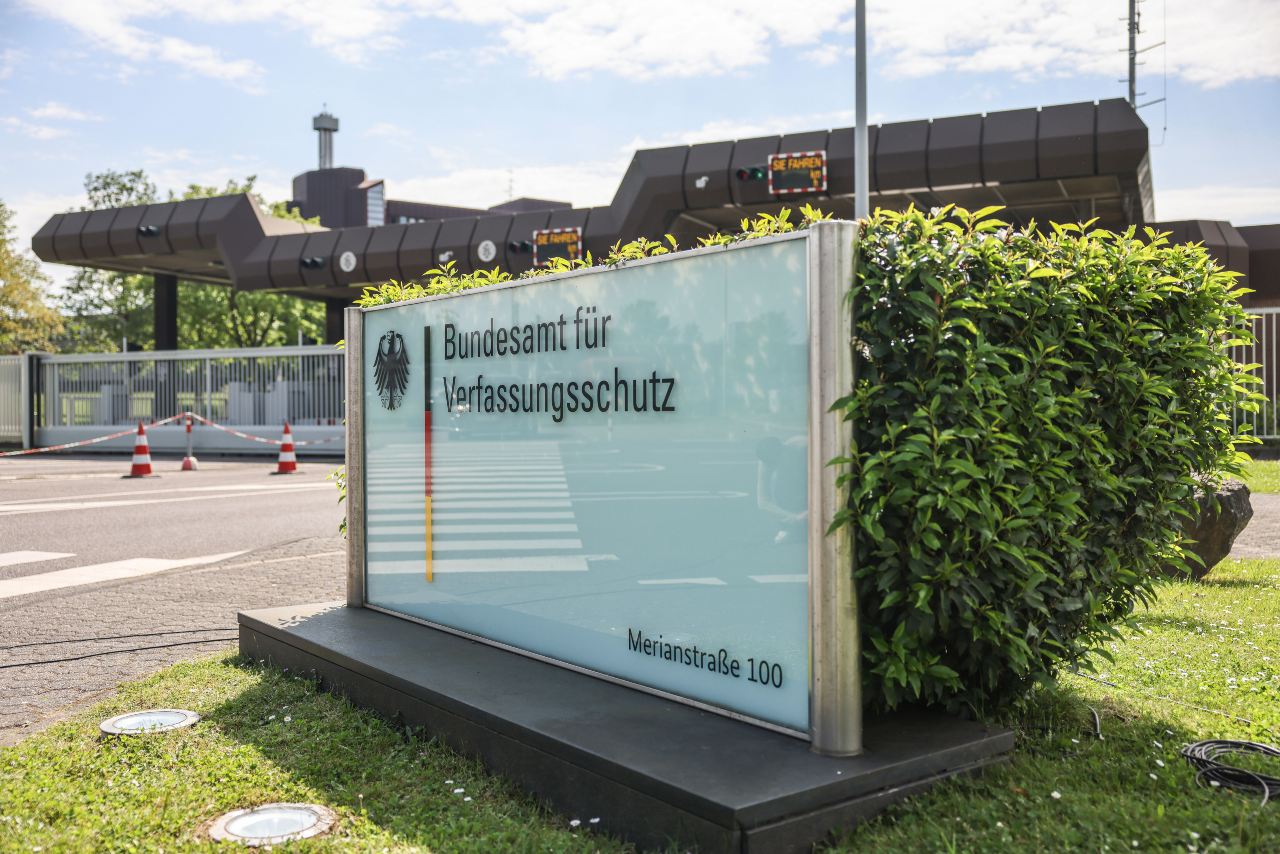
The Federal Office for the Protection of the Constitution (BfV) would continue to gather information on extremist groups and conduct counterespionage within Germany.
In certain circumstances, the BfV would in future be allowed to secretly enter homes or business premises – for example, to install spyware for a remote search, or to render weapons or explosives harmless. It would also have increased powers to monitor encrypted communications.
The outside of Germany’s domestic intelligence agency, the Bundesverfassungsschutz (BfV), in Cologne. Photo: picture alliance/dpa | Oliver Berg
However, it would still be prohibited from making arrests or conducting interrogations. Under German law, arrests and interrogations can only be carried out by the police.
What other changes are planned?
In future, Germany’s intelligence agencies could be permitted to use artificial intelligence (AI) to analyse large datasets and carry out the biometric comparison of images. There are also plans to enable increased information sharing between authorities and, in some cases, with businesses – for example, when important facilities or infrastructure are under threat.
According to the Social Democrats (SPD), the increased powers will be balanced out by increased oversight. The Independent Control Council (ICC), a quasi-judicial body, will be charged with assessing the proportionality of the measures taken by the two agencies and will also monitor how the intelligence services handle private data.
As a general rule, the more severely a measure infringes on fundamental rights, the stricter the conditions for using it.
Why is this happening now?
Since Russia kicked off its full-scale invasion of Ukraine back in 2022, Germany has been the target of multiple coordinated attacks. These so-called “hybrid” Russian attacks use a mixture of methods, from cyberattacks, esponiage, sabotage and other covert operations.
In recent months, these threats have been ramping up.
On 4th August, a drone packed with military-grade explosives was discovered near a Ukrainian cargo aircraft at Leipzig Airport and had to be disarmed by specialists. Two more drones were later discovered in the vicinity of the airport, with one colliding with a DHL cargo plan mid-air and forcing an emergency landing. Germany later placed the blame on Russia.
READ ALSO: Germany opens drone research centre as security threats mount
Meanwhile, Polish President Donald Tusk has warned that EU countries who support Ukraine can expect escalating drone attacks in the coming months.
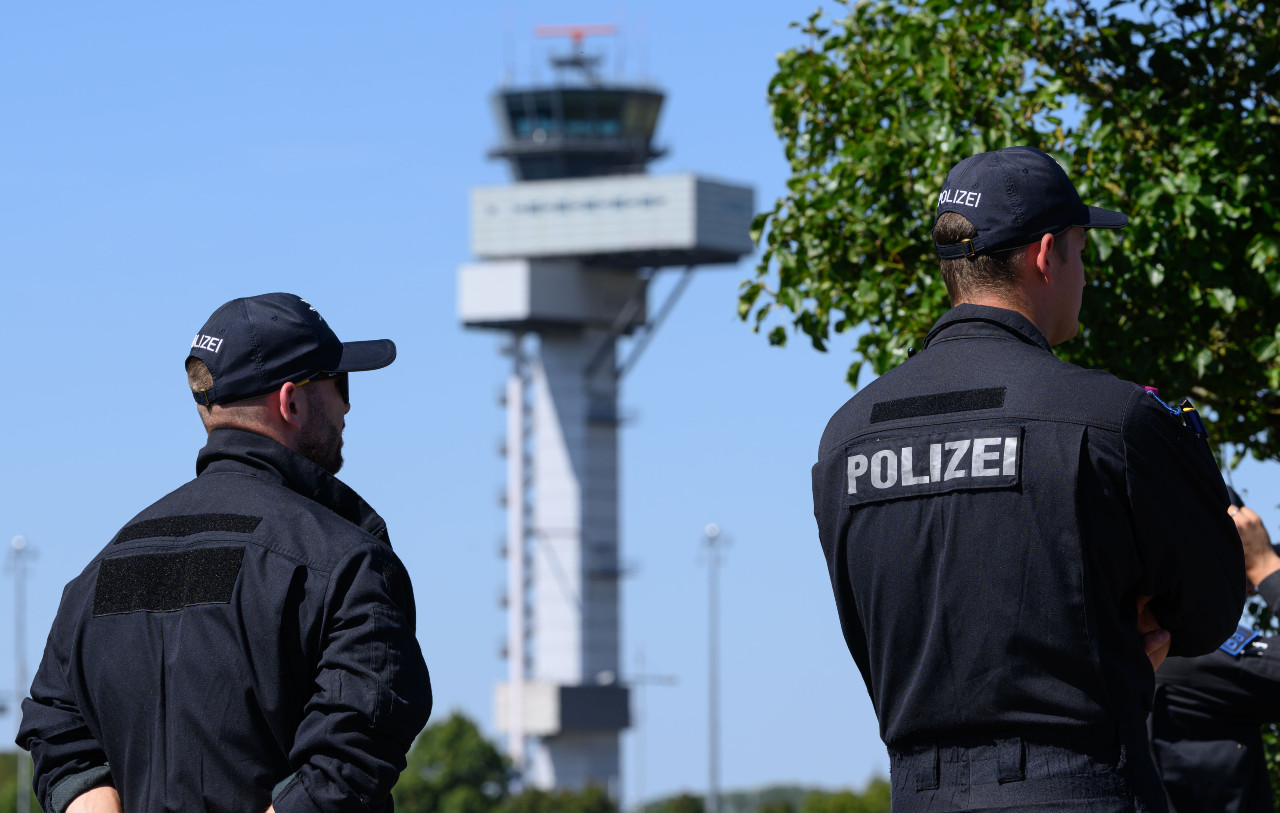
Police search for remnants of a Russian drone at Leipzig / Halle airport in Germany. Photo: picture alliance/dpa | Hendrik Schmidt
What are people saying?
Perhaps the most jaw-dropping intervention has come from former heads of the BND themselves. Writing in an op-ed for The Times newspaper, the security experts described Germany’s foreign intelligence agency as a “toothless watchdog, muzzled and hobbled with an iron chain”, calling for immediate reform.
A similar point has been made by the government, which points to the fact that many of Germany’s allies have broader powers to monitor and respond to threats.
“Our intelligence services must be able to work on an equal footing with our allies,” said Sonja Eichwede, deputy leader of the SPD parliamentary group. “That promotes cooperation between equals and increases security.”
However, opposition parties have criticised the move. According to Left Party interior affairs expert Clara Bünger: “We are facing nothing less than the de facto abolition of the principle of separation between the secret services and the police – a key lesson learnt from German fascism.”
Meanwhile, the AfD – one of the extremist organisations under investigation by the BfV – had a mixed response. While they support the expansion of powers for the BND in principle, they reject the additional powers proposed for the domestic intelligence agency.
READ ALSO: Looming far-right win in Germany sparks security worries
With reporting by DPA
Disclaimer : This story is auto aggregated by a computer programme and has not been created or edited by DOWNTHENEWS. Publisher: thelocal.de