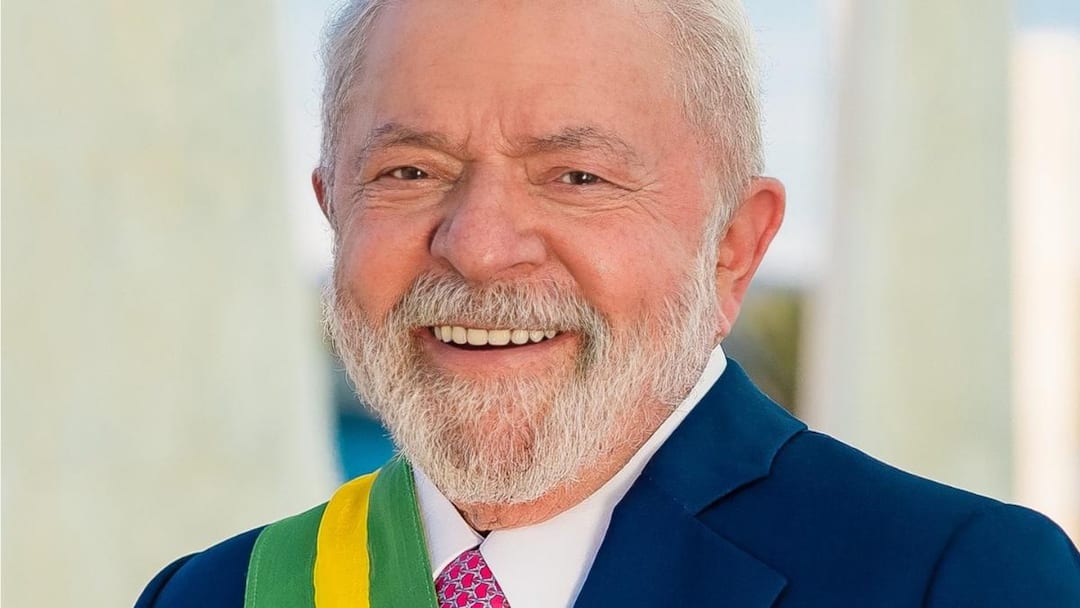
- Lula da Silva wins Brazil presidency, defeating right-wing challenger.
- Election focused on high living costs, crime, and corruption.
- Lula’s victory extends political legacy and shifts foreign policy.
Brazilian President Luiz Inácio Lula da Silva has won re-election, defeating right-wing challenger Flávio Bolsonaro in a closely fought presidential run-off on Sunday, according to Brazilian media reports and projections by Datafolha.
With 99.77% of the votes counted, the 80-year-old left-wing leader, who is a vocal critic of US President Donald Trump, secured 51.76% of the valid votes, compared with 48.24% for Bolsonaro, the son of former president Jair Bolsonaro.
The victory follows a closely contested first round and a campaign dominated by concerns over the cost of living, crime and corruption. According to CNN, this is the first time since Brazil restored direct presidential elections in 1989 that a candidate has won the presidency after finishing second in the first round.
Lula Extends Political Legacy With Fresh Term
Lula, a member of the Workers’ Party, first governed Brazil from 2003 to 2010 before returning to the presidency. His latest victory extends his record as the country’s second-longest-serving holder of the office, behind Getúlio Vargas.
By the end of his latest term, Lula will have spent 16 years in power, marking a record in Brazil’s democratic history.
The president’s re-election came after a difficult campaign shaped by public concerns over rising living costs and security. His challenger, Flávio Bolsonaro, made a tough-on-crime approach central to his campaign and pledged to reduce food prices.
Both candidates also faced corruption allegations involving family members and political allies. Lula had spent more than a year in prison after being convicted in corruption cases, but those convictions were subsequently annulled.
ALSO READ: ‘No Leaders Left’: Trump Mocks Iran, Says He Cannot Find Anyone To Negotiate With
Voting Extended Amid Closely Fought Contest
The run-off followed a tense election day, with voting extended by two hours after last-minute appeals from both candidates to electoral authorities.
The final contest pitted Lula’s left-wing political platform against Bolsonaro’s law-and-order campaign, with voters weighing economic pressures, crime and allegations of corruption.
Lula’s Victory Could Shape Brazil’s Foreign Policy
Lula’s victory is also expected to have implications beyond Brazil, Latin America’s largest country.
According to CNN, his return to office keeps Brazil on a more independent foreign-policy course. Lula has emphasised national sovereignty and stronger ties with the Global South and China amid tensions with the Trump administration.
His approach has placed Brazil’s international partnerships and strategic autonomy at the centre of its foreign-policy direction.
ALSO READ: India Issues Advisory For Nationals In Saudi Arabia, Says ‘No Missile, Drone Interception
From Union Leader To Brazil’s President
Lula began his political career in the 1970s as a trade union leader before helping establish the Workers’ Party. He contested the presidency three times as the party’s candidate before winning the election in 2002.
He secured re-election four years later and was succeeded in 2010 by Dilma Rousseff, one of his cabinet ministers. Rousseff won another term in 2014.
Lula’s latest victory marks another milestone in a political career spanning decades, returning him to the presidency after a fiercely contested election.
Disclaimer : This story is auto aggregated by a computer programme and has not been created or edited by DOWNTHENEWS. Publisher: abplive.com