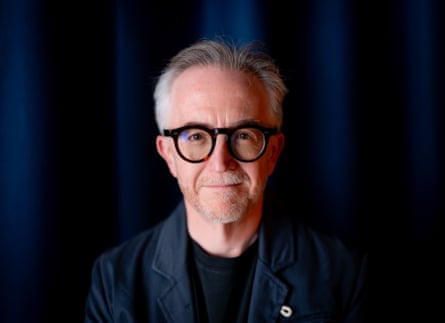
The former chief executive of Andrew Lloyd Webber’s entertainment group has obtained a near-£15m investment for his UK music tech startup that hopes to recreate classic concerts by manifesting musicians as digital avatars.
Unit1 was set up last year by Barney Wragg, an entertainment executive who ran Lord Lloyd-Webber’s Cats-to-Evita empire for five years from late 2011. It has secured the $20m in funding from a group of investors, including tech backer Balderton Capital through its partner Daniel Waterhouse, who made early investments in Spotify.
The company hopes to stage concerts fronted by the “hyper realistic” digital avatars of living artists who are no longer touring and by recreating existing performances from dead musicians. In the latter case, it will develop the avatars through a mixture of archive footage and hiring actors and musicians who either look or play like the departed star, before blending the footage together.
Unit1 has tested the technology with Scottish singer-songwriter and musician KT Tunstall, who worked with Wragg during a stint at the music company EMI. In the pilot, Tunstall was filmed in a London studio by motion capture cameras as she recreated a two-decade-old performance on Later… with Jools Holland, using the avatar to update her features to the way she looks now.
The music industry has long flirted with the idea of creating avatars of its biggest stars, such as the 2012 hologram projection of the late rapper Tupac Shakur alongside Snoop Dogg and Dr Dre at Coachella festival.
The concept found mainstream success with the 2022 launch of Abba Voyage, a lucrative virtual concert with avatars of the Swedish pop group, which runs in a purpose-built venue in east London.
Unit1 hopes to offer a cut-price version of the Abba Voyage experience, by providing artists, venues, their rights holders and promoters with a route to digital shows without needing a dedicated space. The setup also means a show could in theory tour in several countries simultaneously.
The business will invest the fresh funds into research and development, as well as securing intellectual property and licensing deals with artists and their estates.
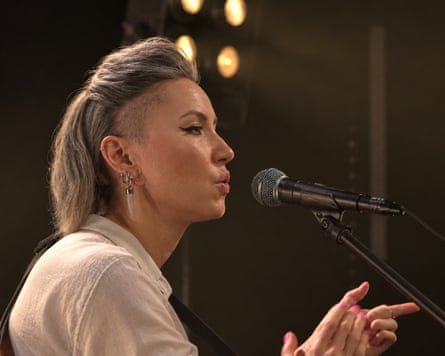
Unit1’s aim is to stage shows with real musicians playing live instruments on stage alongside digital performers. The audience will view a high-definition LED screen, which is combined with extra lights, sound and props to give them the illusion they are watching a fully human performance.
“For the audience member in the room it is seamless between the digital and the physical room, immersing them,” Wragg told the Guardian. “It’s a teleportation of an audience member to a time and place.”
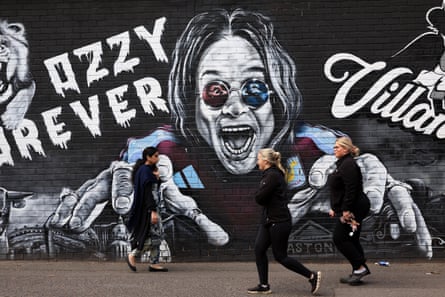
However, some fans have expressed unease about dead musicians being digitally resurrected. Earlier this year, a plan to create a lifesize AI-powered avatar of the late Black Sabbath frontman Ozzy Osbourne was criticised as being disrespectful and in poor taste by some fans.
Wragg said that, in most cases, the startup was “dealing with family members of estates to create something which is well documented and understood – extremely well-known concerts or live recordings. We are mindful that you do not want to be distasteful.”
He was tight-lipped on which classic concerts Unit1 could recreate. He has previously said he wished he could have seen various well-known performances, including Queen at Live Aid, the Beatles’ performances at the Cavern Club and Jimi Hendrix at Woodstock.
Balderton – which has also backed music rights firm Kobalt and fintech Revolut – was joined in the funding round by its existing investors, including the venture capital firm Mercuri and Paul McGuinness, the Irish music executive who managed U2 from the late 1970s until 2013.
Disclaimer : This story is auto aggregated by a computer programme and has not been created or edited by DOWNTHENEWS. Publisher: theguardian.com