img#mv-trellis-img-1::before{padding-top:100%; }img#mv-trellis-img-1{display:block;}Reading Time: 3 minutes
The U.S. Army has carried out a massive controlled explosion in Iowa, destroying the nation’s entire stockpile of a potentially unstable chemical.
And while officials are calling the operation a success, nearby residents aren’t quite finished worrying about what might have been left behind.
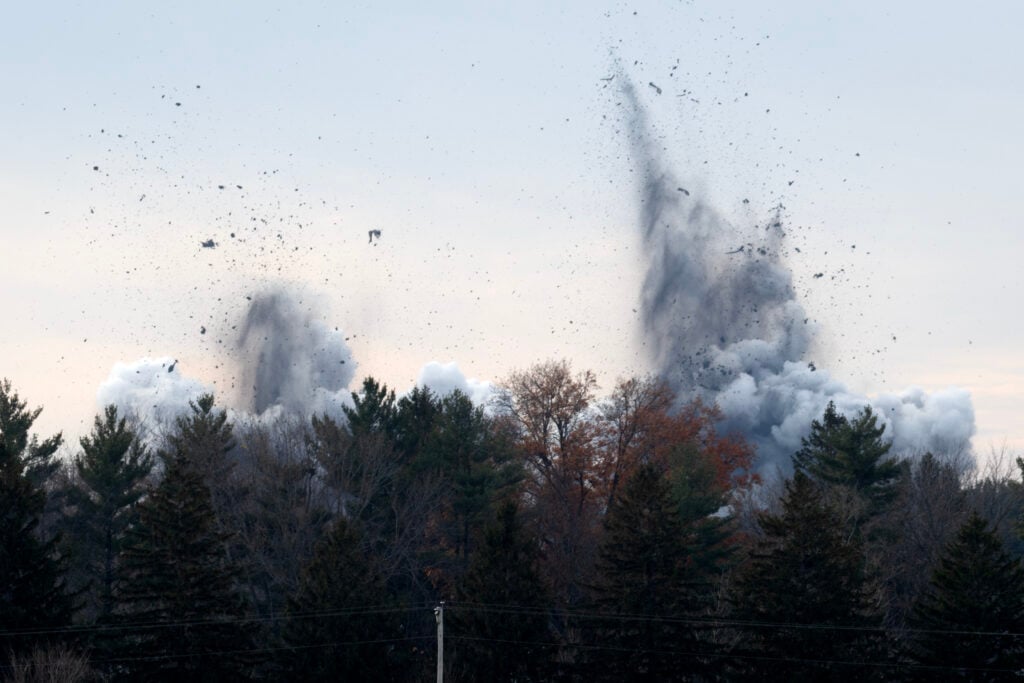
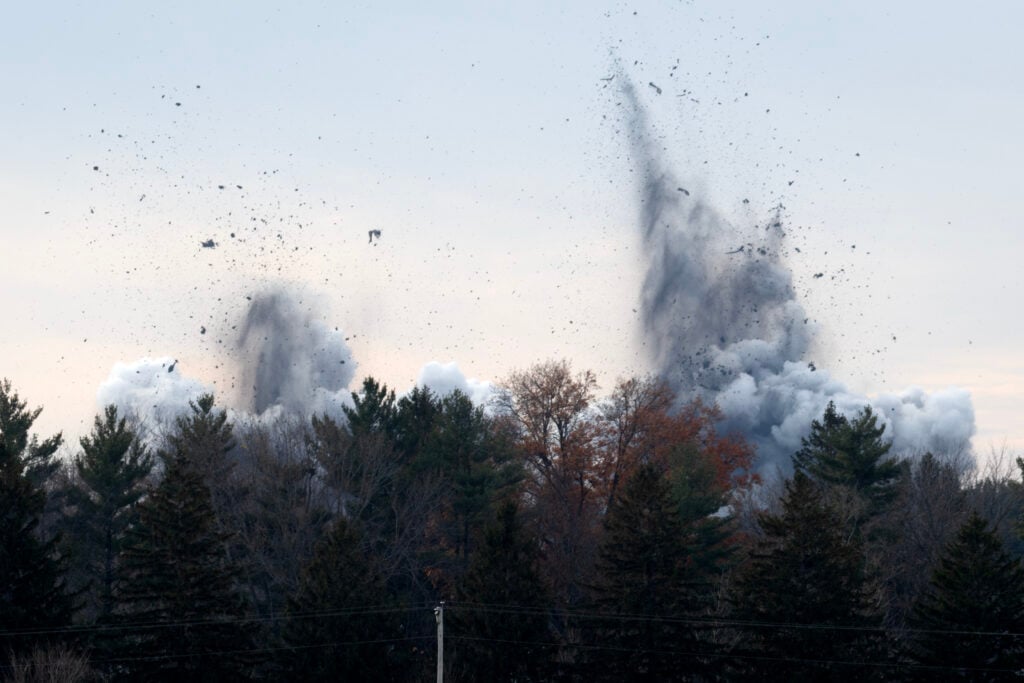
On Wednesday, the military detonated approximately five tons of lead azide at the Iowa Army Ammunition Plant in Middletown.
The operation involved 68 barrels of the explosive material, which officials feared could spontaneously detonate if left untreated.
The decision followed months of concern after a routine inspection in March revealed that the decades-old chemical had begun crystallizing. That deterioration made the substance increasingly sensitive to friction, vibration, and cold temperatures.
Army officials ultimately determined that deliberately destroying the material was safer than attempting to transport it or neutralize it through other chemical processes.
Maj. Gen. Eric Shirley, who oversaw the operation, previously warned that doing nothing was no longer a viable option.
But that didn’t mean everyone was comfortable with the plan.
Environmental groups had challenged the plan in court, arguing that the explosion could spread toxic lead dust across surrounding communities, farmland and waterways. They also questioned whether the military had adequately considered alternative ways of disposing of the dangerous material.
A federal appeals court ultimately allowed the operation to proceed, agreeing that the Army’s safety measures addressed the concerns raised in the legal challenge.
Those measures included installing massive barriers around the bunkers, using ballistic gels and foams to absorb lead particles and applying more than 100,000 gallons of water to help contain the dust.
The explosion reportedly produced two loud booms and brief white plumes that quickly dissipated.
And there’s some encouraging news for residents concerned about possible contamination.
The Environmental Protection Agency reported that its air monitors detected no airborne lead during the first 15 minutes following the explosion. More than an hour later, the agency again reported no detectable airborne lead.
Iowa Gov. Kim Reynolds also described the initial response as positive, saying feedback from state experts and federal partners indicated the detonation had been successful.
Still, the potential environmental consequences haven’t been completely ruled out.
The EPA collected more than 1,200 samples of air, soil and water before the explosion and will continue testing the surrounding area. Approximately 350 farms were identified as potentially being in the projected path of the plume.
That has understandably left some agricultural families concerned about their livestock, crops and water supplies.
Doug Seyb, a 71-year-old Iowa farmer whose property sits approximately 18 miles from the ammunition plant, expressed uncertainty about what the explosion could mean for his operation.
“We can just cross our fingers,” he told the Associated Press.
Evacuated residents will receive notifications when officials determine it is safe to return home. Authorities are also encouraging people to clean outdoor surfaces that children might touch.
Meanwhile, the Army says it will review its storage facilities to prevent another potentially dangerous situation involving aging explosives.
For now, the detonation itself is over. Whether the surrounding environment escaped serious contamination is the question officials still need to answer.

Disclaimer : This story is auto aggregated by a computer programme and has not been created or edited by DOWNTHENEWS. Publisher: thehollywoodgossip.com