
The environmental watchdog failed to adequately track or manage thousands of cases of contamination across Western Australia, often taking years to investigate a site or leaving the responsibility of assessment to staff members that no longer worked there.
The WA Auditor General’s scathing report into the Department of Water and Environmental Regulation’s assessment of contaminated sites found over 1200 possibly contaminated sites – out of a total of 1633 – had been awaiting additional assessment information for more than five years with limited follow-up.
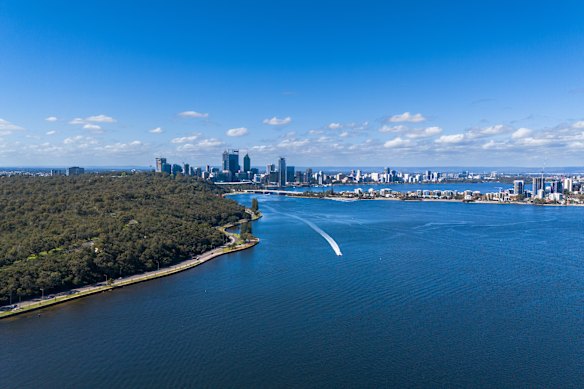
One site where hazardous materials were reported near public homes, the Swan River and recreation areas has gone 13 years without any further assessment.
Acting Auditor General Aloha Morrissey said the department also did not adequately track or manage cases, with 771 sites assigned to staff who no longer worked there at the time of the audit.
Of that number, 110 possibly contaminated sites were deemed a high priority, while the department also juggles more than 1500 cases of known contamination.
One of the worst cases uncovered by Morrissey was a formal report to the department back in 2013 on public land close to homes, recreational areas and the Swan River.
The pollution watch hotline also received a call reporting an oil spill at the same location.
The site was assigned a high-priority rating as heavy metals, hydrocarbons and hazardous chemicals from poor
industrial and waste practices were suspected, but since issuing a notification of classification, little has been done to get the information needed to further assess the site.
“DWER has not contacted the private operator that leases the land nor any other responsible parties and has never received any updates,” the audit reads.
“The staff member currently assigned to this case is no longer employed by DWER. As a result, the level of risk for this site remains uncertain.”
Morrissey said the audit found DWER was not doing enough to get this additional information and progress sites that need further assessment.
“For many sites, it is taking DWER years to assess contamination levels as DWER is not maintaining contact with responsible parties,” she said.
“The assessment and remediation of contaminated sites can be complex and take years.
“Contaminated sites can pose significant threats to public and environmental health and impact future land use.”
The audit reviewed a sample of 25 case files for high-priority sites with possible contamination.
Fourteen had external auditors who provided annual reports to the Department and the remaining 11 relied solely on the department to follow up with the responsible parties.
“We found most had limited contact from DWER other than the initial follow up. At nine of the sites, DWER had not contacted the responsible party for over three years,” the report reads.
Morrissey said those issues reflected broader weaknesses in the department’s systems.
“Several weaknesses found during our audit increase the likelihood of unauthorised access to information, including the confidential identity of people who report potential contamination,” she said.
“Of further concern are weak data validation, a lack of system integration and availability risks.”
However, the audit also found that the Department did complete initial assessments within required timeframes, an “important first step in protecting public and environmental health.”
The audit made three recommendations, including establishing clear thresholds and triggers on when to escalate sites to enforcement, ensuring all sites are assigned to current staff, and setting clear minimum follow-up timeframes for all sites, including low-priority sites.
The department said it: “accepts that processes relating to the compliance and enforcement aspects of contaminated sites regulation can be further strengthened”.
“Accordingly, the department will explore opportunities to improve the timeliness of site follow-ups and establish clear protocols for escalating enforcement action.”
 Holly Thompson is a journalist with WAtoday, specialising in education and the environment.Connect via X or email.
From our partners
Disclaimer : This story is auto aggregated by a computer programme and has not been created or edited by DOWNTHENEWS. Publisher: www.smh.com.au