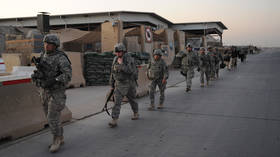
The troops are going, but fractured power, sectarian distrust and armed rivalries still haunt the state Washington promised to remake
American forces are completing their withdrawal from Iraq, yet the country that Washington once promised to turn into a model of democratic transformation in the Middle East is still facing questions that years of military presence never managed to answer.
For Iraq, this is a long-awaited political milestone, but the end of a foreign military mission does not magically fix the fragmentation of power it created. The consequences of the intervention, sectarian distrust, and competition among armed centers of influence are likely to remain part of Iraq’s political landscape for years to come.
How a military victory turned into a political dead end
Although the US had already fought Iraq in 1991, it was the invasion of March 2003 that marked the beginning of the occupation and the radical restructuring of the Iraqi state. The administration of George W. Bush justified the war primarily by pointing to the alleged threat posed by Iraqi weapons of mass destruction, yet the supposed stockpiles were never found. Saddam Hussein’s regime was overthrown with remarkable speed, but building a stable state proved to be a challenge that American military superiority alone could not solve.
The dissolution of the Iraqi army and the sweeping process of purging the influence of Hussein’s Ba’ath party deprived the emerging political system of a substantial number of people who had previously kept the state apparatus functioning. As tens of thousands of professionals, civil servants, and military personnel found themselves excluded from the new order, social resentment merged with armed resistance, while the struggle for power became increasingly sectarian. Hussein’s dictatorship had undoubtedly left behind a deeply troubled legacy, but decisions made under the occupation catalyzed violence as a means of reclaiming lost influence.
Disclaimer : This story is auto aggregated by a computer programme and has not been created or edited by DOWNTHENEWS. Publisher: rt.com