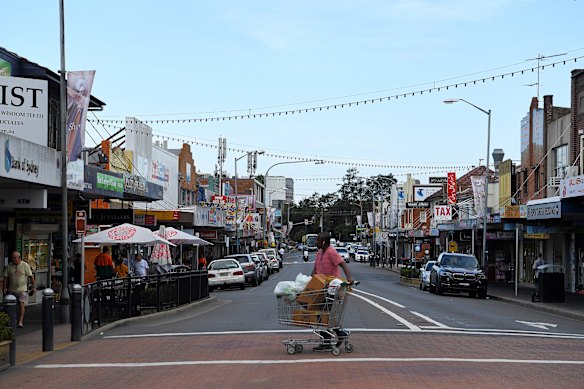

Unemployment in Sydney’s western suburbs has climbed to its highest level since the depths of the pandemic as higher interest rates and inflation combine to weaken the jobs market and squeeze family budgets.
Even as evidence grows that the AI data construction boom is approaching levels not seen since the mining boom of the early 2010s, figures from the Bureau of Statistics show that unemployment has climbed to 7.8 per cent in the Merrylands-Guildford area and nearby suburbs are not far behind.
The national unemployment rate reached 4.9 per cent in October, with the country shedding almost 80,000 jobs over the past two months. Despite inflation hitting 4.9 per cent, financial markets believe the Reserve Bank will start cutting interest rates from August to support the rapidly softening jobs market.
This week, Treasurer Jim Chalmers said his mid-year budget update would reveal Treasury expects unemployment is likely to climb above 5 per cent in 2027.
The combination of high unemployment and inflation has sharply lifted pressure on Chalmers to unveil spending cuts in next month’s budget update. The federal opposition is demanding the treasurer be sacked.
The regional unemployment figures from the bureau highlight that parts of the country are already dealing with job losses before the full impact of the Reserve Bank’s most recent rate increases filter through the economy.
In the Merrylands-Guildford area, unemployment has jumped from 6.5 per cent in October last year to 7.8 per cent this year, the highest rate in Sydney. The total number of people out of work there has climbed by almost a quarter, or 1300 people, with most of the deterioration in the jobs market occurring since the RBA started lifting interest rates in February.
Just to the south, unemployment has climbed to 7.3 per cent in Fairfield after being at 6.9 per cent in October last year. Further west, in Mount Druitt, the jobless rate has increased to 7.1 per cent from 6.5 per cent.
Outside of Sydney, the unemployment rate has increased above 6 per cent in regional and remote areas including Bourke, Inverell and Moree.
The western suburbs of Sydney and Melbourne are exposed most to the sharp lift in interest rates and inflation. High petrol prices, which have climbed by more than a third since the start of the war against Iran, have delivered particular financial pain.
The highest unemployment rate is in Chalmers’ seat of Rankin in Queensland, hitting 8.7 per cent in the suburbs of Springwood and Kingston. A year ago, the jobless rate in these areas was 7 per cent.
Unemployment is also lifting quickly in other parts of Queensland, including Ipswich, Caboolture, the state’s far west and Maryborough.
Women are paying the highest price for the unemployment increase. Across Melbourne’s western suburbs, the female jobless rate has climbed from 5.8 per cent to 7.8 per cent. Among men, it has lifted from 6 per cent to 6.6 per cent.
It’s a similar story in Sydney. In Parramatta, female unemployment has climbed by 1.2 percentage points from 5.7 per cent to 6.9 per cent. Among men, the jobless rate in the area is 6 per cent.
The increase in unemployment is occurring despite one of the nation’s largest construction booms.
Bureau of Statistics figures released on Thursday showed private spending on new buildings and equipment jumped by 18.6 per cent over the past year. It reached $59.7 billion in the September quarter, the highest level since 2014.
In the September quarter alone, capital spending jumped by 12.2 per cent due largely to a 23.1 per cent jump in spending on new equipment and machinery such as computer servers for data centres. It was the single largest quarterly increase since the early stages of last decade’s mining boom.
And businesses are not showing signs of plans to slow down. Expected spending was lifted by 11.8 per cent to a record $223 billion through 2026-27.
NSW and Victoria are attracting the most AI investment, with spending in both lifting by more than a third over the past 12 months.
Chalmers described the figures as “absolutely stunning”, saying they confirmed that capital spending by the private sector was booming.
But under pressure from the Coalition over the state of the jobs market, the treasurer admitted the situation was poor.
“When it comes to the tick-up in unemployment, we have acknowledged that for those Australians who are impacted, then that is very bad development,” he told parliament.
AMP economist My Bui said the investment boom in AI-related technology had grown on average by 46 per cent a year since 2001.
She said private business investment remained strong despite the lift in interest rates, although that situation could change.
“The outlook for next year will be tougher though, as higher cash rates and bond yields will make it harder for firms to finance their capex plans and the productivity gains from AI are yet to arrive,” she said.
Cut through the noise of federal politics with news, views and expert analysis. Subscribers can sign up to our weekly Inside Politics newsletter.
 Shane Wright is a senior economics correspondent for The Sydney Morning Herald and The Age.Connect via X or email.
From our partners
Disclaimer : This story is auto aggregated by a computer programme and has not been created or edited by DOWNTHENEWS. Publisher: www.smh.com.au